Have you ever dreamed of flying like a bird, weaving through trees and soaring over landscapes with breathtaking speed and agility? With an FPV drone with goggles, that dream becomes a thrilling reality. FPV, or First-Person View, technology puts you directly in the cockpit, streaming a live video feed from the drone’s camera straight to your goggles. It’s an electrifying experience that standard drones simply can’t match. Forget watching a screen on a controller; this is about pure, unadulterated immersion. As a drone enthusiast with over 15 years of experience, I can tell you that the moment you put on those goggles and punch the throttle for the first time is a moment you’ll never forget.
What Exactly is an FPV Drone?
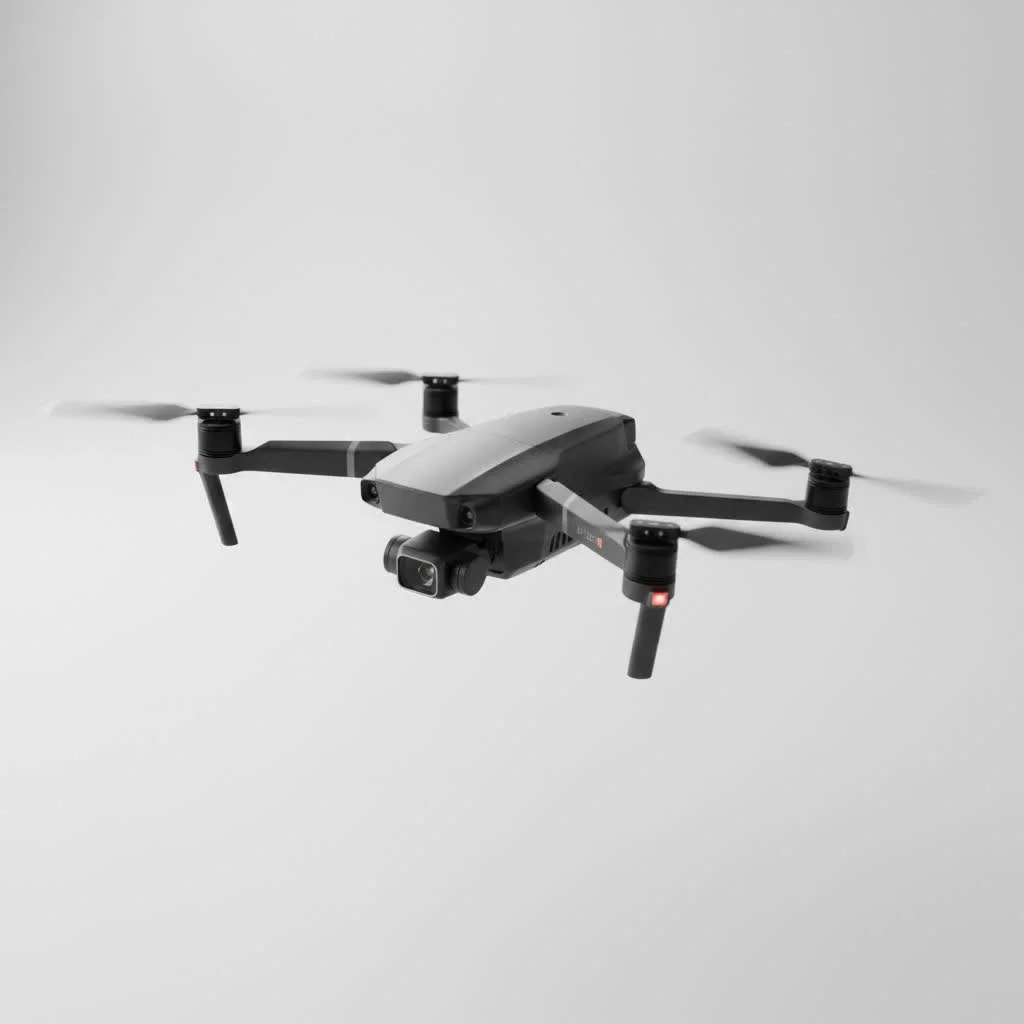
An FPV drone is built for one primary purpose: to give the pilot the most immersive and responsive flight experience possible. Unlike common camera drones (like the DJI Mavic series) which are designed for stable, cinematic shots and often feature GPS-based automated flight modes, FPV drones are all about manual control and maneuverability. For browse all consumer articles on this site.
The system consists of three core components working in harmony:
- The Drone: Equipped with a forward-facing camera that sends out a live video signal. These drones are typically lighter, faster, and more durable to withstand the inevitable crashes that come with learning.
- The Goggles: This is your window into the drone’s world. The goggles contain small screens that display the video feed from the drone, making you feel as if you’re sitting in the pilot’s seat.
- The Controller: An FPV controller is more than just a remote; it’s a precise instrument. It gives you direct, instantaneous control over the drone’s pitch, roll, yaw, and throttle, allowing for acrobatic maneuvers that are impossible with standard drones.
Why Choose an FPV Drone with Goggles? The Thrill of the Flight
The primary reason pilots are drawn to FPV is the unparalleled sense of freedom and immersion. The world looks different from the drone’s perspective, turning a local park into a vast playground for freestyle tricks or a dense forest into a challenging race course.
Beyond the sheer excitement, FPV flying offers practical advantages. For drone racing, the low-latency video feed is essential for navigating gates and obstacles at high speed. For cinematographers, FPV drones can capture dynamic, flowing shots—diving down buildings or skimming inches above the ground—that create a unique and engaging viewing experience.
Choosing Your First FPV Drone with Goggles: A Beginner’s Guide
Jumping into the world of FPV can seem daunting, but manufacturers have made it easier than ever with all-in-one kits. Here’s a breakdown of what to look for.
Ready-to-Fly (RTF) Kits: The Easiest Start
|
Our Picks for the Best Drone in 2026
As an Amazon Associate I earn from qualifying purchases.
|
||
| Num | Product | Action |
|---|---|---|
| 1 | DJI Mini 5 Pro Fly More Combo with DJI RC 2, Drone with Camera, 1-Inch CMOS, 4K Drone for Beginners with Omnidirectional Obstacle Sensing, ActiveTrack 360°, 225° Gimbal Rotation, 3 Batteries |

|
| 2 | Drone with 1080P Camera for Beginners and Adults, Foldable Remote Control Quadcopter with Voice Control, Gestures Selfie, Altitude Hold, One Key Start, 3D Flips, 2 Batteries, Toy for Beginners |
|
| 3 | DJI Mini 3 Fly More Combo (DJI RC), Drones with Camera for Adults 4K, 3 Batteries for 114-min Flight Time, Vertical Shooting, 32800ft (10km) Video Transmission, Lightweight Mini Drone for Beginners |
|
| 4 | Drone with Camera - Drones for Adults, with 2 Batteries, Carrying Case, Propellers, 1080P HD Foldable Drone with Stable Hover, Trajectory Flight, Gravity Control, One Key Take Off/Land, 3D Flip |
|
| 5 | DJI Neo, Mini Drone with 4K UHD Camera for Adults, 135g Self Flying Drone that Follows You, Palm Takeoff, Subject Tracking, QuickShots, Stabilized Video, Built-In Propeller Guard (Controller-Free) |
|
| 6 | LỖI |
|
| 7 | DJI Mini 3 (DJI RC), Lightweight 3x Mechanical Gimbal Drones with Camera for Adults 4K, 38-min Flight Time, up to 32800ft (10km) Video Transmission, Vertical Shooting, GPS Auto Return Integrated |
|
| 8 | Drone with Camera for Adults, 2K HD FPV Drones with Upgrade Altitude Hold, One-Key Take Off/Landing, Speed Adjustment, Headless Mode, 2 Batteries, Toys Gifts for Teen Boys Girls, Beginner |
|
| 9 | DJI Neo Three-Battery Combo, Mini Drone with 4K UHD Camera for Adults, 135g Self Flying Drone that Follows You, Palm Takeoff, Subject Tracking, QuickShots, Stabilized Video (Controller-Free) |
|
| 10 | Drone with Camera 1080P HD FPV Foldable Drone for Adults and Beginners, RC Quadcopter with Gravity Control, One Key Take Off/Land, Optical Flow Positioning, 360° Flip, 3 Speed Mode, Waypoint Fly Grey |
|
For a true beginner, a Ready-to-Fly (RTF) kit is the best entry point. These bundles include the drone, goggles, and controller, all pre-configured to work together right out of the box.
- Pros: Minimal setup required. You can be in the air within minutes of unboxing. They are often designed with beginners in mind, featuring more durable frames and helpful flight modes.
- Cons: The components might be lower quality than those purchased separately and offer less room for customization or upgrades as your skills advance.
Popular beginner kits like the BetaFPV Cetus series are designed to be affordable and user-friendly, making them a fantastic way to see if the hobby is right for you without a massive initial investment.
Analog vs. Digital FPV Systems
One of the most significant decisions you’ll make is choosing between an analog and a digital FPV system. This refers to how the video is transmitted from the drone to your goggles.
- Analog: This is the traditional, more affordable option. It offers very low latency (the delay between the drone’s camera and your goggles), which is crucial for racing and aggressive flying. The trade-off is lower image quality, similar to an old CRT television, which degrades with static as you fly farther away.
- Digital: A more recent innovation, pioneered by companies like DJI and Walksnail, digital systems provide a crystal-clear HD video feed. This makes it easier to see fine details like branches and power lines. However, digital systems are more expensive and can have slightly higher latency. When the signal weakens, the image may freeze or become blocky rather than showing static.
As professional FPV pilot Julian Croft notes, “For beginners, I often recommend starting with a quality analog kit. The low cost lowers the barrier to entry, and the low latency builds good muscle memory. Once you’re hooked, upgrading to a digital system for that stunning visual clarity feels like a natural and rewarding progression.”
Key Features to Consider
When comparing different models of an FPV drone with goggles, keep these factors in mind:
- Durability: You will crash. Look for drones with strong carbon fiber frames and propeller guards, especially for smaller indoor models (known as “whoops”).
- Flight Time: Most FPV drones have a flight time of only 3-7 minutes per battery. Be sure to purchase multiple batteries and a good charger.
- Camera Quality: While the live feed is important, some FPV drones also carry a second, higher-quality camera (like a GoPro) to record cinematic footage. For RTF kits, the single FPV camera handles both live feed and recording.
Getting Started: Your Pre-Flight Checklist
Before you launch your new FPV drone, a little preparation goes a long way in preventing frustration and costly repairs.
- Practice in a Simulator: This is the single most important step for any new FPV pilot. FPV simulators like Liftoff, DRL Simulator, or Velocidrone allow you to use your actual FPV controller to practice flying on your computer. It’s a risk-free way to build foundational skills.
- Understand the Controls: Learn the basics of throttle, pitch, roll, and yaw. Most beginners start in “Angle Mode,” a stabilized mode that self-levels the drone when you let go of the sticks. As you progress, you’ll move to “Acro Mode” for full manual control.
- Find a Safe, Open Space: Your first real flights should be in a large, open field with no people, cars, or buildings around. Grass is a much more forgiving surface to crash on than concrete.
- Know the Rules: Familiarize yourself with local and national drone regulations. In the United States, you must abide by FAA rules.
Safety and Regulations: Flying Responsibly
Flying an FPV drone with goggles comes with a unique set of responsibilities. Because your vision is limited to what the drone sees, you must follow specific safety guidelines.
Crucial Safety Warning: In most jurisdictions, including the U.S., FAA regulations require you to maintain a direct visual line of sight (VLOS) with your drone at all times. When flying with goggles, you must have a visual observer (a spotter) with you who can watch the drone with their own eyes and warn you of any potential hazards, such as other aircraft, people, or obstacles.
Key regulations to remember include:
- Registration: In the U.S., any drone weighing 250 grams (0.55 lbs) or more must be registered with the FAA.
- Altitude Limit: Do not fly higher than 400 feet above ground level.
- Airspace: Use apps like B4UFLY to ensure you are not flying in restricted airspace, such as near airports.
Frequently Asked Questions (FAQ)
Is it hard to fly an FPV drone?
There is a steep learning curve compared to standard camera drones, but it is incredibly rewarding. Spending a few hours in a simulator before your first flight will make the process much smoother and more enjoyable.
How much does a good FPV drone with goggles cost?
A complete, beginner-friendly Ready-to-Fly (RTF) analog kit can start around $200-$300. More advanced digital kits, such as those from DJI, can range from $600 to over $1,000.
Can I use any goggles with any FPV drone?
Not always. Compatibility is key. Analog goggles are generally cross-compatible with most analog video transmitters (VTXs). Digital systems, however, are proprietary; for example, DJI goggles will only work with a DJI-compatible air unit (video transmitter).
What is the difference between drone racing and freestyle?
Drone racing involves flying through a pre-defined course of gates and obstacles as quickly as possible. Freestyle flying is more acrobatic and creative, focusing on performing complex tricks and maneuvers in an open environment.
Do I need a license to fly an FPV drone?
For purely recreational flying in the United States, you do not need a Part 107 commercial license. However, you are required to pass The Recreational UAS Safety Test (TRUST), which is a free online test, and carry proof of completion with you.
Your FPV Journey Awaits
Stepping into the world of the fpv drone with goggles is like opening the door to a new dimension of flight. It’s a hobby that blends technology, skill, and adrenaline into an unforgettable experience. From the simple joy of your first successful hover to the thrill of executing a complex acrobatic maneuver, FPV offers a journey of constant learning and excitement. By starting with the right gear, prioritizing safety, and dedicating time to practice, you can confidently take to the skies and see the world from an entirely new perspective.
Get our weekly buyer guide
Practical specs, not advice. Unsubscribe anytime.
I finally got my first FPV drone with goggles, and while the immersive flying is cool, I found the setup a bit more complicated than I expected. The guide mentioned the electrifying experience, which is true once you’re flying, but getting everything calibrated took some time. I wish there was a bit more detail on initial setup for total newbies.
As someone with a lot of experience in the drone hobby, I can confirm that the moment you put on those goggles and punch the throttle is unforgettable. The responsiveness of FPV drones is unmatched. It’s built for that immersive and responsive flight experience, and it delivers every time. Highly recommend for anyone serious about flying.
This guide really helped me understand the difference between FPV and regular camera drones. I was hesitant about the learning curve, but the idea of weaving through trees with that first-person view is too tempting. I’m looking at some of the beginner-friendly bundles now. Definitely a step up from just watching a screen on a controller.
I’ve been flying standard drones for years, but the FPV experience is a total game-changer. The live video feed straight to the goggles really does make you feel like you’re in the cockpit. It’s exactly as described, pure unadulterated immersion. I’m still getting used to the speed and agility, but it’s incredibly thrilling.