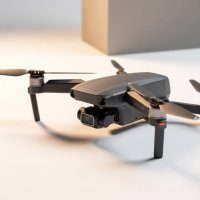
The feeling is unmistakable: a pit forms in your stomach as the video feed on your controller stutters, freezes, and then disconnects. Your drone, a tiny speck a half-mile away, is now flying blind. In my early days as a pilot, this scenario was an all-too-common nightmare. Thankfully, today’s advanced technology means that a reliable connection is more accessible than ever. When we talk about a long range drone, we’re not just talking about the maximum distance it can fly, but the incredible stability of the connection that gives you the confidence to explore the skies safely and creatively.
What Does “Long Range” Actually Mean for a Drone?
Many people assume “range” simply means the maximum distance a drone can fly from its controller. While battery life dictates the total flight distance, the advertised range—often quoted as 15km, 20km, or even more—refers to the strength and reliability of the radio transmission signal. A powerful transmission system, like DJI’s O4 (OcuSync 4.0), is the true heart of a long range drone. For see our consumer recommendations on this site.
So, why does this matter if you are legally required to keep your drone in sight? The benefits are immense, even at closer distances:
- Signal Reliability: A drone rated for 20km will have a rock-solid signal at 1-2km, easily cutting through radio interference from Wi-Fi networks and cell towers that can plague lesser models.
- High-Quality Video Feed: A stronger connection means a clearer, smoother live video feed to your controller, allowing you to frame your shots perfectly with minimal lag.
- Confidence in Safety Features: The “Return to Home” (RTH) function is your ultimate safety net. A robust signal ensures the drone remains connected and can reliably navigate back to its takeoff point if the battery gets low or the signal is momentarily interrupted.
The Legal Reality: Flying Within Visual Line of Sight (VLOS)
Before we dive into the exciting models available, it’s crucial to address the most important rule of drone flight: you must keep your aircraft within your Visual Line of Sight (VLOS) at all times. Even with perfect vision, a standard consumer drone becomes difficult to see beyond a mile. This means that even if your drone has the technical capability to fly 10 miles away, doing so is illegal in most countries without a specific waiver for Beyond Visual Line of Sight (BVLOS) operations. Think of a long range capability not as a license to fly into the horizon, but as a powerful safety buffer for legal, responsible flying.
Key Factors in Choosing a Long Range Drone
When you’re ready to invest in a long range drone, a few key specifications will determine its performance and suitability for your needs.
- Transmission System: This is the most critical factor. Look for drones with the latest transmission technology, such as DJI’s O4 system, which provides a stable, high-definition feed over vast distances.
- Flight Time: A longer battery life (typically 35-45 minutes for top models) gives you more time to explore, set up complex shots, and safely return home without battery anxiety.
- Camera Capabilities: A long range is useless if the camera can’t capture stunning visuals. Look for large sensors (like 1-inch or 4/3 CMOS), high-resolution video (4K/60fps or higher), and flexible color profiles for professional editing.
- Safety Features: Omnidirectional obstacle avoidance is a must-have. This system uses sensors on all sides of the drone to detect and avoid collisions, providing peace of mind, especially when flying in complex environments.
- Wind Resistance: Drones with more powerful motors can handle higher wind speeds, ensuring stable flight and smooth footage even in challenging weather conditions.
The Best Long Range Drones for Pilots in 2025
The current market is dominated by a few key players who have perfected the balance of range, camera quality, and safety. Here are our top picks.
| Model | Max Range (Advertised) | Max Flight Time | Key Feature | Best For |
|---|---|---|---|---|
| DJI Mavic 3 Pro | 15 km | 43 minutes | Triple-Camera System | Professionals |
| DJI Air 3S | 20 km | 45 minutes | Dual-Camera Versatility | All-Around Value |
| DJI Mini 4 Pro | 20 km | 45 minutes (w/ Plus battery) | Under 250g Weight | Portability/Travel |
| Autel EVO II Pro V3 | 15 km | 40 minutes | 1-Inch Sensor with 6K Video | DJI Alternative |
The Professional’s Choice: DJI Mavic 3 Pro
|
Our Picks for the Best Drone in 2026
As an Amazon Associate I earn from qualifying purchases.
|
||
| Num | Product | Action |
|---|---|---|
| 1 | DJI Mini 3 Fly More Combo (DJI RC), Drones with Camera for Adults 4K, 3 Batteries for 114-min Flight Time, Vertical Shooting, 32800ft (10km) Video Transmission, Lightweight Mini Drone for Beginners |

|
| 2 | DJI Mini 3 (DJI RC), Lightweight 3x Mechanical Gimbal Drones with Camera for Adults 4K, 38-min Flight Time, up to 32800ft (10km) Video Transmission, Vertical Shooting, GPS Auto Return Integrated |
|
| 3 | DJI Neo, Mini Drone with 4K UHD Camera for Adults, 135g Self Flying Drone that Follows You, Palm Takeoff, Subject Tracking, QuickShots, Stabilized Video, Built-In Propeller Guard (Controller-Free) |
|
| 4 | LỖI |
|
| 5 | DJI Neo Three-Battery Combo, Mini Drone with 4K UHD Camera for Adults, 135g Self Flying Drone that Follows You, Palm Takeoff, Subject Tracking, QuickShots, Stabilized Video (Controller-Free) |
|
| 6 | Drone with Camera for Adults, 2K HD FPV Drones with Upgrade Altitude Hold, One-Key Take Off/Landing, Speed Adjustment, Headless Mode, 2 Batteries, Toys Gifts for Teen Boys Girls, Beginner |
|
| 7 | DJI Mini 5 Pro Fly More Combo with DJI RC 2, Drone with Camera, 1-Inch CMOS, 4K Drone for Beginners with Omnidirectional Obstacle Sensing, ActiveTrack 360°, 225° Gimbal Rotation, 3 Batteries |
|
| 8 | Drone with Camera 1080P HD FPV Foldable Drone for Adults and Beginners, RC Quadcopter with Gravity Control, One Key Take Off/Land, Optical Flow Positioning, 360° Flip, 3 Speed Mode, Waypoint Fly Grey |
|
| 9 | Drone with 1080P Camera for Beginners and Adults, Foldable Remote Control Quadcopter with Voice Control, Gestures Selfie, Altitude Hold, One Key Start, 3D Flips, 2 Batteries, Toy for Beginners |
|
| 10 | Drone with Camera - Drones for Adults, with 2 Batteries, Carrying Case, Propellers, 1080P HD Foldable Drone with Stable Hover, Trajectory Flight, Gravity Control, One Key Take Off/Land, 3D Flip |
|
For serious cinematographers and commercial operators, the DJI Mavic 3 Pro is the undisputed flagship. Its standout feature is a revolutionary triple-camera system, including a massive 4/3 Hasselblad main camera. This allows for incredible creative flexibility, from wide landscape shots to compressed telephoto views, all while maintaining a stable connection. Its flight performance is smooth and predictable, and its omnidirectional sensors make it one of the safest drones in the air.
The Best All-Rounder: DJI Air 3S
The DJI Air 3S hits the sweet spot between professional features and consumer accessibility. It boasts an incredible 20 km range thanks to the O4 transmission system and a very generous 45-minute flight time. Its dual-camera setup provides both a wide-angle and a 3x medium telephoto lens, making it a versatile tool for a wide variety of shots. For most enthusiasts and semi-professionals, the Air 3S offers the best combination of range, image quality, and value on the market.
The Ultimate Portable Flyer: DJI Mini 4 Pro
If portability is your priority, the DJI Mini 4 Pro is in a class of its own. Weighing under 250 grams, it avoids the need for FAA registration in the United States, making it the perfect travel companion. Don’t let its size fool you; it packs the same 20 km O4 transmission system as its larger siblings. Combined with full obstacle avoidance and the ability to shoot vertical video for social media, this is the most capable and safest compact long range drone available.
The Best DJI Alternative: Autel EVO II Pro V3
For pilots seeking a powerful alternative to the DJI ecosystem, the Autel EVO II Pro V3 is a top contender. It features a fantastic Sony 1-inch CMOS sensor capable of shooting stunning 6K video, offering incredible detail. The drone is known for its rugged build quality and a range of up to 15 km. Many professionals appreciate Autel’s approach, which often includes fewer software restrictions like geofencing, providing more operational freedom for certified pilots.
“A robust transmission link is the single most important safety feature on a modern drone. It’s not about pushing the legal limits; it’s about ensuring you have absolute control and a clear video feed at all times, even in challenging radio environments. A strong signal is your best defense against unexpected disconnects.” – Dr. Alistair Finch, Lead Aerospace Engineer, RVSWS
Beyond Consumer Models: A Glimpse into Industrial Drones
While consumer drones offer incredible range, the world of industrial drones takes it to another level. Fixed-wing and VTOL (Vertical Takeoff and Landing) models used for agriculture, large-scale mapping, and pipeline inspections can have ranges exceeding 100 km and fly for hours. These platforms are controlled by sophisticated ground stations and often utilize satellite communication, showcasing the true potential of long-range unmanned aerial technology.
Frequently Asked Questions (FAQ)
What is the maximum range of a consumer drone?
Top-tier consumer drones like the DJI Air 3S and Mini 4 Pro have an advertised transmission range of up to 20 km (about 12.4 miles) in ideal, interference-free conditions.
Is it legal to fly a drone out of your sight?
No. In most countries, including the United States under FAA regulations, you are legally required to keep your drone within your visual line of sight (VLOS) at all times unless you have a specific waiver for BVLOS operations.
What happens if my long range drone loses its signal?
Modern drones have a built-in safety feature called Return to Home (RTH). If the signal is lost for more than a few seconds, the drone will automatically ascend to a safe altitude and use its GPS to fly back to its original takeoff point.
Does weather affect my drone’s range?
Yes. High winds force the drone’s motors to work harder, reducing battery life and effective flight distance. Rain, fog, and extreme temperatures can also degrade transmission signal quality and impact battery performance.
Do I need a special license for a long range drone?
In the United States, you do not need a special license for a long range drone specifically, but if you are flying for any commercial purpose, you must have a Part 107 certificate. All drones weighing 250 grams or more must be registered with the FAA.
Conclusion
Choosing a long range drone is an investment in confidence. It’s the assurance that your connection will remain stable, your video feed will be clear, and your safety features will work when you need them most. Models like the DJI Mavic 3 Pro and Air 3S have pushed the boundaries of what’s possible, delivering professional-grade performance to a wide range of pilots. Always remember to fly safely, respect the regulations by keeping your drone in sight, and use these incredible capabilities to explore the world from a stunning new perspective.
Get our weekly buyer guide
Practical specs, not advice. Unsubscribe anytime.