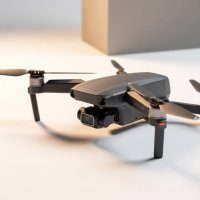
If you’ve been in the drone world for more than a few years, you remember the name Parrot. Long before the market was dominated by a single giant, a French company was making waves with innovative, user-friendly quadcopters. The story of the Parrot drone is one of pioneering spirit, intense competition, and a strategic pivot that has left many hobbyists wondering what happened to the iconic brand. As the lead content creator at RVSWS, I’ve watched Parrot’s journey unfold for over a decade, and it’s a fascinating tale worth telling.
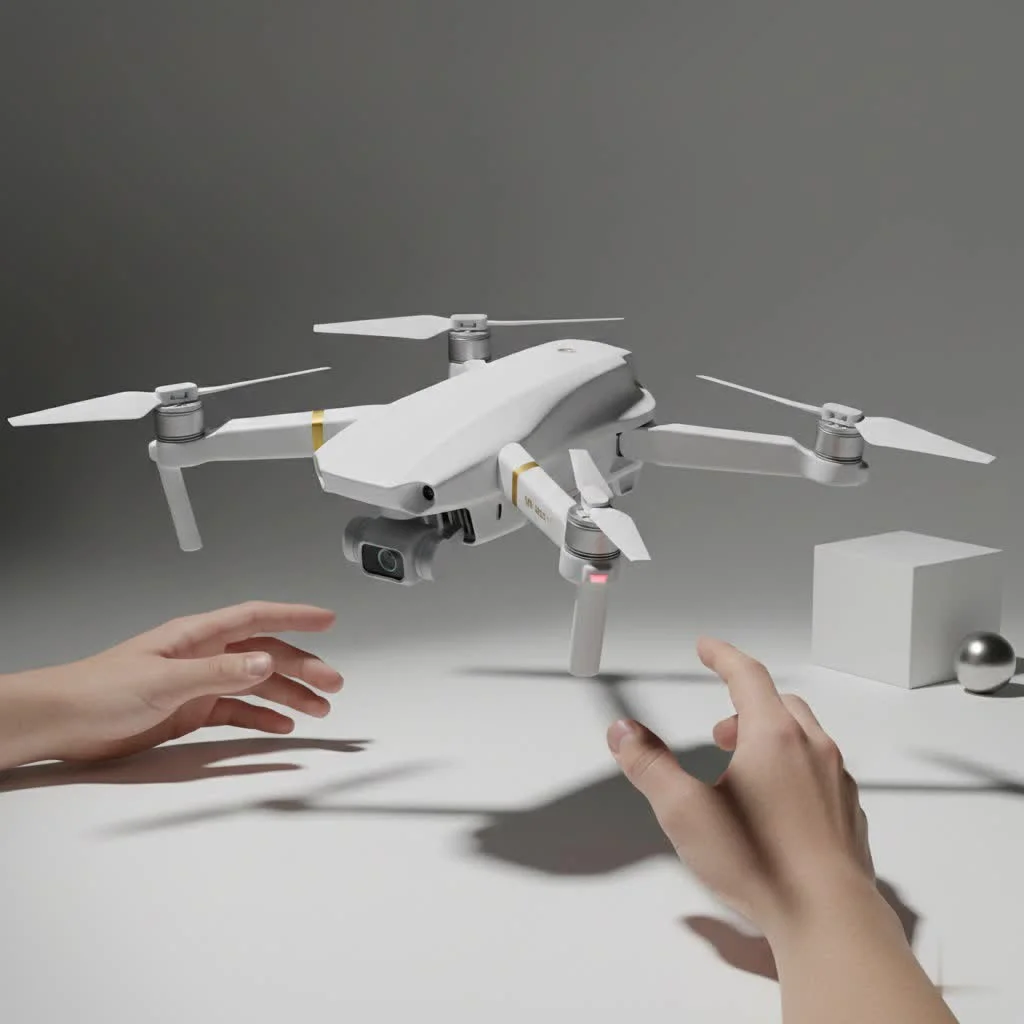
For many, their first experience with a real, camera-equipped drone was the Parrot AR.Drone. It was revolutionary for its time, controlled not by a complex RC transmitter but by a smartphone. This singular innovation opened the door for millions of everyday consumers to experience the thrill of flight. Parrot established itself as a key player, a brand synonymous with fun, accessibility, and cutting-edge European design.
The Anafi Revolution: Parrot’s Game-Changing Drone
While the AR.Drone put Parrot on the map, it was the Anafi series that cemented its reputation as a serious contender. Launched to compete directly with DJI’s compact drones, the Parrot Anafi drone brought a unique set of features to the table that, in some ways, remain unmatched.
What Made the Parrot Anafi So Special?
The Anafi wasn’t just another foldable drone; it was a thoughtfully engineered flying camera with distinct advantages. Its design was inspired by the form of an insect, resulting in a lightweight, robust, and incredibly portable quadcopter.
- 180-Degree Vertical Tilt Gimbal: This was the Anafi’s killer feature. While most drones could only shoot straight ahead or down, the Anafi’s camera could tilt a full 180 degrees, from looking straight down to straight up. This opened up creative possibilities for “worm’s-eye view” shots that were impossible with other drones.
- Lossless Digital Zoom: The Anafi’s 4K sensor allowed for up to 2.8x lossless digital zoom (and 3x in 1080p). This meant you could get closer to subjects without physically moving the drone, a valuable tool for both creative filming and safe inspections.
- HDR Video: It was one of the first drones in its class to offer High Dynamic Range (HDR) video, capturing more detail in the bright and dark areas of a shot, resulting in more vibrant and lifelike footage.
- USB-C Charging: A simple but brilliant feature. You could charge the Anafi’s batteries on the go with a standard USB-C power bank, making it incredibly convenient for travelers.
“The Parrot Anafi was a statement piece. It demonstrated that innovative design could still challenge market dominance. Its unique upward-tilting gimbal wasn’t a gimmick; it was a genuinely useful tool for creators looking for a different perspective,” states Dr. Alistair Finch, a lead aeronautical engineer at RVSWS.
Anafi Models: From FPV to Professional Use
|
Our Picks for the Best Drone in 2026
As an Amazon Associate I earn from qualifying purchases.
|
||
| Num | Product | Action |
|---|---|---|
| 1 | DJI Mini 5 Pro Fly More Combo with DJI RC 2, Drone with Camera, 1-Inch CMOS, 4K Drone for Beginners with Omnidirectional Obstacle Sensing, ActiveTrack 360°, 225° Gimbal Rotation, 3 Batteries |

|
| 2 | Drone with Camera 1080P HD FPV Foldable Drone for Adults and Beginners, RC Quadcopter with Gravity Control, One Key Take Off/Land, Optical Flow Positioning, 360° Flip, 3 Speed Mode, Waypoint Fly Grey |
|
| 3 | DJI Mini 3 (DJI RC), Lightweight 3x Mechanical Gimbal Drones with Camera for Adults 4K, 38-min Flight Time, up to 32800ft (10km) Video Transmission, Vertical Shooting, GPS Auto Return Integrated |
|
| 4 | Drone with Camera - Drones for Adults, with 2 Batteries, Carrying Case, Propellers, 1080P HD Foldable Drone with Stable Hover, Trajectory Flight, Gravity Control, One Key Take Off/Land, 3D Flip |
|
| 5 | DJI Neo Three-Battery Combo, Mini Drone with 4K UHD Camera for Adults, 135g Self Flying Drone that Follows You, Palm Takeoff, Subject Tracking, QuickShots, Stabilized Video (Controller-Free) |
|
| 6 | DJI Mini 3 Fly More Combo (DJI RC), Drones with Camera for Adults 4K, 3 Batteries for 114-min Flight Time, Vertical Shooting, 32800ft (10km) Video Transmission, Lightweight Mini Drone for Beginners |
|
| 7 | LỖI |
|
| 8 | DJI Neo, Mini Drone with 4K UHD Camera for Adults, 135g Self Flying Drone that Follows You, Palm Takeoff, Subject Tracking, QuickShots, Stabilized Video, Built-In Propeller Guard (Controller-Free) |
|
| 9 | Drone with Camera for Adults, 2K HD FPV Drones with Upgrade Altitude Hold, One-Key Take Off/Landing, Speed Adjustment, Headless Mode, 2 Batteries, Toys Gifts for Teen Boys Girls, Beginner |
|
| 10 | Drone with 1080P Camera for Beginners and Adults, Foldable Remote Control Quadcopter with Voice Control, Gestures Selfie, Altitude Hold, One Key Start, 3D Flips, 2 Batteries, Toy for Beginners |
|
Parrot expanded the Anafi line to cater to different users. The Anafi FPV included “goggles” for a more immersive flying experience. More significantly, the Anafi Thermal integrated a FLIR radiometric thermal camera alongside the standard visual camera, making it an affordable and powerful tool for first responders, roof inspectors, and solar farm technicians.
This move was a sign of things to come. The pinnacle of this evolution is the Anafi USA, a drone built specifically for military and enterprise clients, featuring a 32x zoom, thermal imaging, and enhanced security protocols.
The Big Shift: Why Did Parrot Drones Vanish from Consumer Shelves?
Many enthusiasts ask, “What happened to Parrot?” The answer is a strategic business decision. The consumer drone market had become a brutal battleground with razor-thin profit margins, largely dominated by DJI’s massive manufacturing scale and aggressive pricing. Instead of fighting a losing war, Parrot made a calculated pivot.
The company decided to exit the high-volume, low-margin toy and hobbyist drone market to focus its expertise on the lucrative professional sector. They leveraged the technology developed for the Anafi to build specialized drones for agriculture, public safety, defense, and professional inspections. This was a smart move, allowing them to thrive in a less crowded space where security, reliability, and specialized payloads are more important than price.
Should You Still Buy a Parrot Drone in 2025?
This is the key question for anyone considering a Parrot drone today. The answer depends entirely on who you are and what you need.
For the Hobbyist or Photographer
For the average consumer, buying a new Parrot Anafi is difficult, as they are no longer in production for the consumer market. You might find a good deal on a used or refurbished model. If you do, you’ll get a drone with a unique camera system that’s still very capable. However, you must be aware of the downsides:
- Aging Technology: The sensor and flight controller technology are a few years old compared to the latest models from competitors.
- Limited Support: Finding replacement parts like propellers or batteries may become increasingly difficult over time.
- Strong Competition: Newer drones in the same price range often offer superior image quality, longer flight times, and more advanced features like obstacle avoidance.
For the Professional User
If your needs are commercial or governmental, Parrot is more relevant than ever. The Anafi USA is on the U.S. government’s “Blue UAS” list, meaning it’s approved for official use due to its high security standards. For professionals in surveying, security, and inspection, a Parrot drone like the Anafi USA or Anafi Thermal is a top-tier choice, not a legacy product.
Frequently Asked Questions (FAQ)
What is the best app for a Parrot drone?
The official app is FreeFlight 6, which is used for the Anafi series. It provides a clean user interface and full control over the drone’s advanced camera settings. For professional applications, other software like Pix4Dcapture is also compatible.
Are Parrot drones made in France?
Yes, Parrot is a French company headquartered in Paris. While some components are sourced globally, the design, engineering, and software development are primarily done in France and Europe, which is a key selling point for their security-focused clients.
Can you still get parts for a Parrot Anafi?
It is becoming more challenging. While some common parts like propellers may be available from third-party sellers, specific components like camera gimbals or airframes are scarce. Purchasing a used model comes with the risk of being unable to repair it after a crash.
Is the Parrot Anafi better than a DJI Mavic?
It’s not a simple yes or no. The Anafi’s 180-degree gimbal and lossless zoom give it unique creative advantages. However, a comparably priced modern DJI drone will typically have better image quality, a longer flight time, and superior obstacle avoidance sensors. The “better” drone depends on your specific priorities.
Why are professional Parrot drones so expensive?
Professional drones like the Anafi USA command a high price due to their specialized payloads (thermal and zoom cameras), enhanced data security features, ruggedized build quality, and compliance with government and enterprise standards. You are paying for a specialized tool, not a hobbyist camera.
A Legacy of Innovation
In conclusion, the Parrot drone hasn’t disappeared; it has evolved. While we may miss their presence on the shelves of our local electronics store, Parrot’s legacy as an innovator is undeniable. They pushed the industry forward, first with smartphone controls and later with a truly unique flying camera in the Anafi. Today, they continue to push boundaries in the professional world, proving that a smart pivot can be more successful than a head-on fight. The spirit of the Parrot drone lives on, flying higher and serving more critical missions than ever before.
Get our weekly buyer guide
Practical specs, not advice. Unsubscribe anytime.