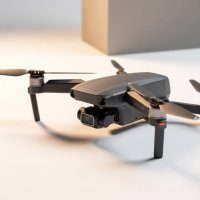
Pairing a drone with a GoPro camera is one of the best ways to capture breathtaking, professional-quality aerial footage. While many modern drones come with excellent built-in cameras, the versatility and legendary image quality of a GoPro offer a level of creative control that many photographers and videographers crave. Whether you’re a seasoned professional or a hobbyist looking to elevate your content, understanding how to select and use a drone with a GoPro is a game-changer. This guide will walk you through everything you need to know, from the best compatible drones to mounting techniques and pro tips for cinematic shots.
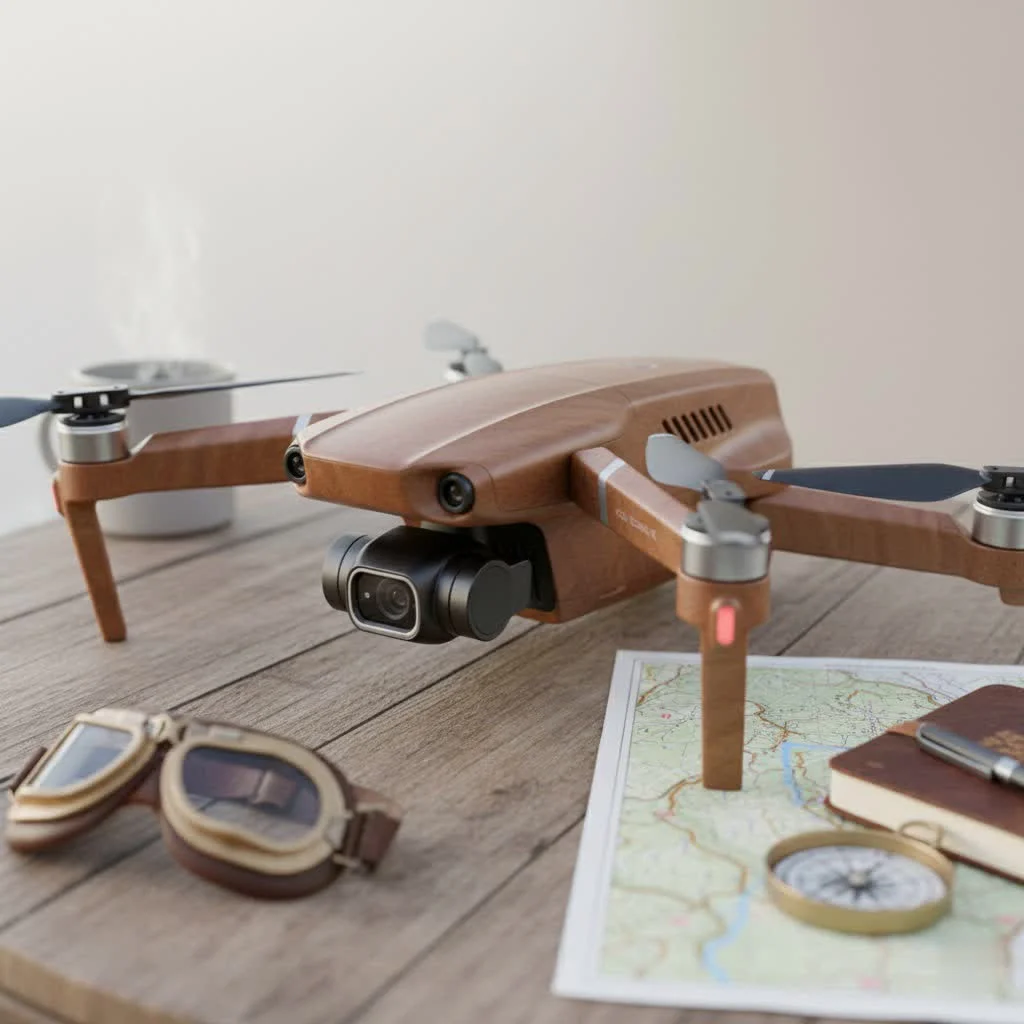
At RVSWS, we’ve spent over a decade testing gear in the field, and the drone and GoPro combination remains a favorite for its sheer power and flexibility. It allows you to use your high-performance action camera, which you might already own, in an entirely new way.
What Ever Happened to the GoPro Karma Drone?
Let’s address a common question right away. Many people remember the GoPro Karma, the company’s own attempt at creating the perfect drone for their cameras. Launched in 2016, the Karma was a sleek, foldable quadcopter that came in a convenient backpack system with a removable gimbal. Unfortunately, it was plagued by technical issues, including power failures that caused drones to fall from the sky. Facing stiff competition from established players like DJI, GoPro ultimately discontinued the Karma in 2018 and exited the drone market. While it was a great concept, it’s no longer a viable or supported option for new buyers.
Why Use a Separate GoPro on a Drone?
With so many drones offering integrated 4K cameras, you might wonder why you’d bother with a separate setup. The answer lies in image quality, flexibility, and cost-effectiveness.
- Superior Image Quality: GoPro cameras, especially the latest HERO models, feature advanced processors, larger sensors, and industry-leading image stabilization like HyperSmooth. This often results in richer colors, better dynamic range, and smoother footage than many built-in drone cameras in the same price bracket.
- Versatility: Your GoPro isn’t just for flying. You can detach it from the drone and use it for ground shots, underwater adventures, or mounted to your bike. This multi-purpose functionality offers incredible value.
- Upgradability: Drone technology evolves, but so do cameras. With a separate setup, you can upgrade your GoPro to the latest model without having to buy a whole new drone.
- Durability and Repair: If you crash, you might only damage the mount or the camera, which is often cheaper and easier to replace than a drone’s integrated gimbal and camera system.
“The ability to pair a class-leading action camera with a custom-built or highly capable drone gives creators ultimate control over their craft,” says veteran aerial cinematographer, Alex Dawson. “You can fine-tune every setting on your GoPro and choose a drone platform that perfectly matches your specific flight requirements, whether it’s for high-speed FPV or slow, cinematic pans.”
Best Drones for Your GoPro in 2025
Since you can’t buy a new Karma, you’ll need a drone capable of carrying a GoPro. These drones are often referred to as “payload drones.” They range from ready-to-fly models to custom FPV (First-Person View) builds.
For the Hobbyist: The Versatile Flyer
|
Our Picks for the Best Drone in 2026
As an Amazon Associate I earn from qualifying purchases.
|
||
| Num | Product | Action |
|---|---|---|
| 1 | DJI Neo Three-Battery Combo, Mini Drone with 4K UHD Camera for Adults, 135g Self Flying Drone that Follows You, Palm Takeoff, Subject Tracking, QuickShots, Stabilized Video (Controller-Free) |

|
| 2 | LỖI |
|
| 3 | Drone with 1080P Camera for Beginners and Adults, Foldable Remote Control Quadcopter with Voice Control, Gestures Selfie, Altitude Hold, One Key Start, 3D Flips, 2 Batteries, Toy for Beginners |
|
| 4 | Drone with Camera 1080P HD FPV Foldable Drone for Adults and Beginners, RC Quadcopter with Gravity Control, One Key Take Off/Land, Optical Flow Positioning, 360° Flip, 3 Speed Mode, Waypoint Fly Grey |
|
| 5 | Drone with Camera - Drones for Adults, with 2 Batteries, Carrying Case, Propellers, 1080P HD Foldable Drone with Stable Hover, Trajectory Flight, Gravity Control, One Key Take Off/Land, 3D Flip |
|
| 6 | DJI Neo, Mini Drone with 4K UHD Camera for Adults, 135g Self Flying Drone that Follows You, Palm Takeoff, Subject Tracking, QuickShots, Stabilized Video, Built-In Propeller Guard (Controller-Free) |
|
| 7 | Drone with Camera for Adults, 2K HD FPV Drones with Upgrade Altitude Hold, One-Key Take Off/Landing, Speed Adjustment, Headless Mode, 2 Batteries, Toys Gifts for Teen Boys Girls, Beginner |
|
| 8 | DJI Mini 3 (DJI RC), Lightweight 3x Mechanical Gimbal Drones with Camera for Adults 4K, 38-min Flight Time, up to 32800ft (10km) Video Transmission, Vertical Shooting, GPS Auto Return Integrated |
|
| 9 | DJI Mini 5 Pro Fly More Combo with DJI RC 2, Drone with Camera, 1-Inch CMOS, 4K Drone for Beginners with Omnidirectional Obstacle Sensing, ActiveTrack 360°, 225° Gimbal Rotation, 3 Batteries |
|
| 10 | DJI Mini 3 Fly More Combo (DJI RC), Drones with Camera for Adults 4K, 3 Batteries for 114-min Flight Time, Vertical Shooting, 32800ft (10km) Video Transmission, Lightweight Mini Drone for Beginners |
|
For those who want a reliable, easy-to-fly drone with good payload capacity, the DJI Phantom 4 Pro V2.0 remains a strong, albeit older, contender that can be found on the second-hand market. While it has its own great camera, its stability and power make it capable of carrying a GoPro with an aftermarket mount for a unique second-angle shot. A more modern choice would be a larger quadcopter from a brand like Autel Robotics, where some models can be adapted for custom payloads.
For the FPV Enthusiast: The Custom Build
The FPV community is the biggest user of GoPro drones today. FPV pilots build their own drones for racing and freestyle, and mounting a GoPro is standard practice for recording high-definition flight footage.
- iFlight Nazgul Evoque F5: A popular pre-built FPV drone that comes ready to bind to your controller. It’s designed with a dedicated, vibration-dampened top mount specifically for a full-sized GoPro.
- GEPRC Mark5: Another top-tier FPV freestyle frame known for its durability and smooth flight characteristics. It’s engineered to carry a GoPro, providing a stable platform for capturing buttery-smooth video.
- Custom 5-inch to 7-inch Builds: The ultimate option is building your own. This allows you to select motors, propellers, and a frame that are perfectly optimized for carrying the weight of a GoPro while delivering your desired flight time and performance.
How to Choose the Right Drone for a GoPro
Selecting the right drone involves more than just picking a popular model. You need to ensure it can do the job safely and effectively.
Key Factors to Consider
- Payload Capacity: This is the most critical factor. The drone must be able to comfortably lift the weight of your GoPro (around 120-160 grams) plus the mount, without severely impacting flight time or stability. Always check the drone’s maximum payload specification.
- Flight Time: Adding the weight of a GoPro will reduce a drone’s flight time. Look for drones with high-capacity batteries and efficient motors to maximize your time in the air. A typical FPV drone carrying a GoPro might only get 5-8 minutes of hard flying, while a larger cinematic drone could get 15-20 minutes.
- Stability and Vibration Damping: The drone needs to provide a stable platform. Look for models with good flight controllers and consider the quality of the GoPro mount. A soft, TPU (thermoplastic polyurethane) mount is essential to absorb motor vibrations and prevent the “jello” effect in your video.
- Compatibility and Mounting Options: Ensure there are readily available and well-designed mounts for your specific drone and GoPro model. For FPV drones, this is standard. For other consumer drones, you may need to look for third-party solutions.
A Step-by-Step Guide to Mounting Your GoPro
Mounting your camera correctly is crucial for both safety and video quality.
- Select the Right Mount: Use a mount designed for your drone model. For FPV, this is typically a custom-printed TPU part that bolts directly to the frame. Never use temporary solutions like tape or rubber bands.
- Secure the Camera: Firmly seat the GoPro in the mount. Use the provided screw or strap to lock it in place so it cannot shift or fall out during aggressive maneuvers or a hard landing.
- Check the Center of Gravity: The added weight of the camera will change the drone’s center of gravity. Position the mount as close to the center of the drone’s propellers as possible. After mounting, pick up the drone from the center to ensure it’s reasonably balanced. An imbalanced drone will fly poorly and strain its motors.
- Angle the Camera: Adjust the camera’s upward tilt. For slow, cinematic shots, a lower angle (10-15 degrees) is fine. For fast FPV flying, you’ll need a much steeper angle (25-40 degrees) so the camera is looking at the horizon as the drone flies forward.
- Perform a Pre-Flight Check: Before your main flight, take off and hover for about 30 seconds. Listen to the motors and observe the drone’s behavior to ensure it’s stable and responding correctly to your inputs.
Pro Tips for Stunning GoPro Drone Footage
- Use ND Filters: Neutral Density (ND) filters are like sunglasses for your camera. They reduce the amount of light entering the lens, allowing you to use a slower shutter speed. This creates natural motion blur, which is the key to smooth, cinematic video.
- Master Your GoPro Settings: Shoot in a high resolution (4K or 5.3K) and a frame rate of 24 or 30 fps for a cinematic look. Use a flat color profile (like GoPro’s “Natural” or “Flat”) to capture more dynamic range, which gives you more flexibility when color grading in post-production.
- Use ReelSteady or Gyroflow: Don’t rely solely on GoPro’s built-in HyperSmooth stabilization for FPV footage. Use post-production stabilization software like ReelSteady or the open-source Gyroflow. These programs use the GoPro’s gyroscope data to produce incredibly smooth results, even from the most aggressive flights.
- Fly Smoothly: The best footage comes from smooth, controlled movements. Practice gentle turns, slow reveals, and consistent flight paths. Avoid jerky stick movements.
Frequently Asked Questions (FAQ)
Can I put a GoPro on any drone?
No. You can only mount a GoPro on a drone that has sufficient payload capacity to carry it safely without affecting flight performance. It’s most common on FPV drones and larger professional drones, not on mini drones or most foldable consumer models.
What is the best GoPro for a drone?
The GoPro HERO 10, 11, or 12 Black are excellent choices due to their incredible image quality and stabilization options. For FPV pilots looking to save weight, the GoPro HERO11 Black Mini or a “naked” GoPro (a de-cased camera) are popular alternatives.
How do I power my GoPro during a long flight?
A GoPro’s battery will typically last for one or two drone flights. For longer shoots, you can power the GoPro directly from the drone’s battery using a special BEC (Battery Eliminator Circuit) cable, though this requires some technical knowledge to install.
Are drones with built-in cameras better than a GoPro setup?
It depends on your needs. For convenience and ease of use, a drone with a high-quality built-in camera like a DJI Mavic 3 is superior. For versatility, raw image quality in an action camera form factor, and use in high-impact FPV flying, a drone carrying a GoPro is often the better choice.
Taking Your Aerial Videography to the Next Level
Combining a powerful drone with a GoPro camera opens up a world of creative possibilities. While the GoPro Karma drone is a thing of the past, the spirit of its mission lives on in the countless custom and payload-capable drones that pilots use every day. By choosing the right drone, mastering your mounting technique, and dialing in your camera settings, you can capture professional-grade aerial footage that truly stands out. So get out there, fly safe, and start creating something amazing.
Get our weekly buyer guide
Practical specs, not advice. Unsubscribe anytime.