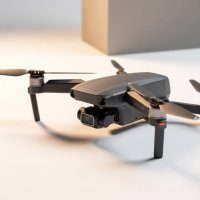
The term “drone” often conjures images of small, buzzing quadcopters capturing vacation photos or being flown for fun in a park. While those are certainly part of the drone world, a far more powerful and sophisticated category exists: the professional drone. This isn’t just a toy with a better camera; it’s a specialized tool engineered for commercial applications, capable of transforming industries from filmmaking to agriculture. If you’re looking to elevate your operations, a professional drone is no longer a luxury—it’s a critical asset for data collection, efficiency, and gaining a competitive edge.
What Sets a Professional Drone Apart?
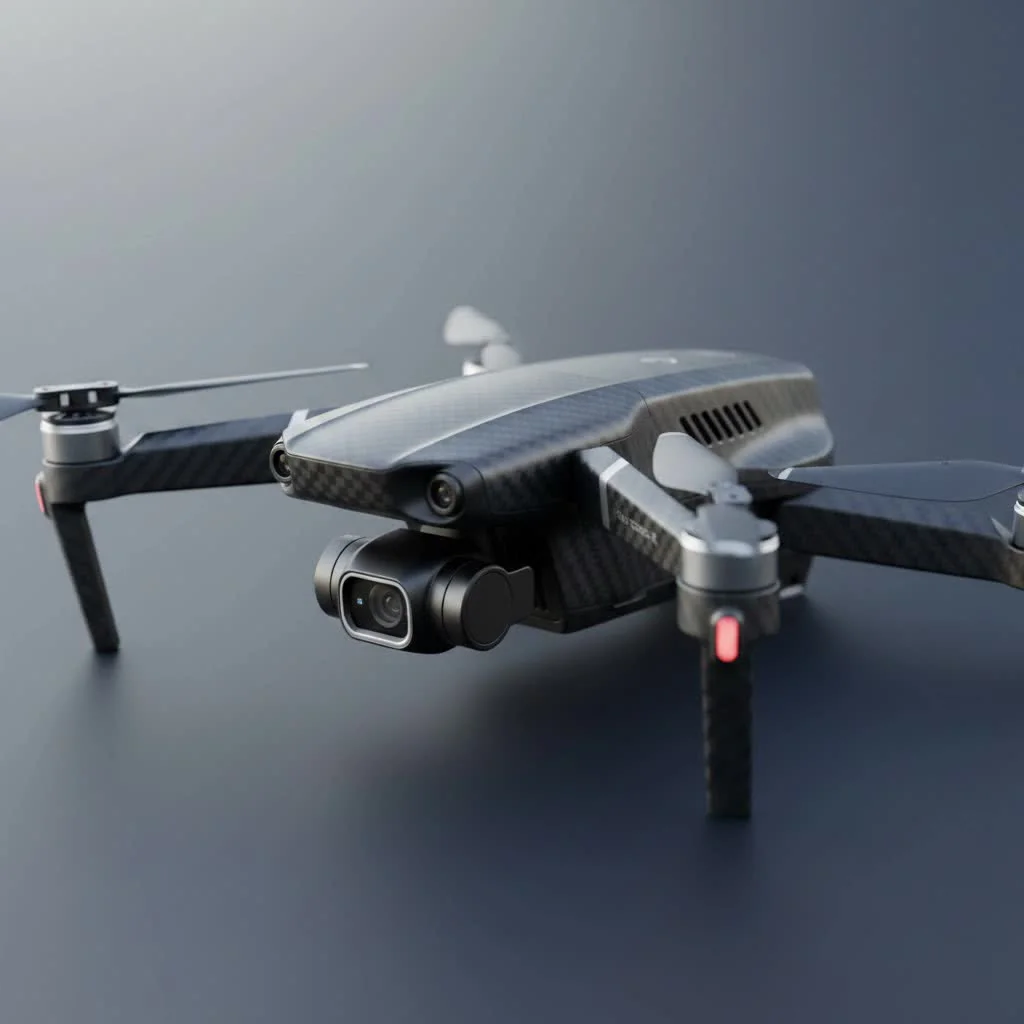
Understanding the distinction between a consumer model and a professional drone is key to appreciating its value. The differences lie in engineering, capability, and purpose-built design. These are not incremental improvements; they are fundamental distinctions that enable reliable, high-stakes commercial operations.
Advanced Camera and Sensor Payloads
The heart of most professional drone operations is the data they collect, which starts with the payload. Unlike the fixed cameras on most hobbyist drones, professional systems often feature interchangeable payloads.
- High-Resolution Cameras: We’re talking large sensors (like Micro Four Thirds or even full-frame) capable of capturing stunningly detailed photos and high-bitrate video (e.g., 6K or 8K resolution). This is essential for cinematic productions and detailed inspections.
- Thermal Imaging: For public safety, energy audits, and solar farm inspections, thermal sensors can detect heat signatures invisible to the naked eye.
- LiDAR (Light Detection and Ranging): In surveying and construction, LiDAR sensors use laser pulses to create incredibly accurate 3D models of terrain and structures.
- Multispectral Sensors: Precision agriculture relies on these sensors to analyze crop health by capturing light from different parts of the spectrum.
Superior Flight Performance and Stability
A professional drone must be a stable and reliable platform, especially in challenging conditions. They are equipped with advanced flight controllers, more powerful motors, and sophisticated sensor arrays (including RTK/PPK for centimeter-level positioning accuracy). This allows them to hold their position precisely, even in high winds, which is non-negotiable for tasks like creating detailed maps or capturing smooth cinematic shots.
“When you’re mapping a 500-acre construction site, you can’t afford GPS drift. The stability and precision of a professional drone with RTK technology mean the difference between a survey that’s accurate to a few centimeters and one that’s useless. It’s about reliability under pressure.” – Alex Carter, Chief Pilot at RVSWS
Extended Flight Time and Range
|
Our Picks for the Best Drone in 2026
As an Amazon Associate I earn from qualifying purchases.
|
||
| Num | Product | Action |
|---|---|---|
| 1 | DJI Mini 3 (DJI RC), Lightweight 3x Mechanical Gimbal Drones with Camera for Adults 4K, 38-min Flight Time, up to 32800ft (10km) Video Transmission, Vertical Shooting, GPS Auto Return Integrated |

|
| 2 | LỖI |
|
| 3 | DJI Neo Three-Battery Combo, Mini Drone with 4K UHD Camera for Adults, 135g Self Flying Drone that Follows You, Palm Takeoff, Subject Tracking, QuickShots, Stabilized Video (Controller-Free) |
|
| 4 | DJI Mini 5 Pro Fly More Combo with DJI RC 2, Drone with Camera, 1-Inch CMOS, 4K Drone for Beginners with Omnidirectional Obstacle Sensing, ActiveTrack 360°, 225° Gimbal Rotation, 3 Batteries |
|
| 5 | DJI Mini 3 Fly More Combo (DJI RC), Drones with Camera for Adults 4K, 3 Batteries for 114-min Flight Time, Vertical Shooting, 32800ft (10km) Video Transmission, Lightweight Mini Drone for Beginners |
|
| 6 | DJI Neo, Mini Drone with 4K UHD Camera for Adults, 135g Self Flying Drone that Follows You, Palm Takeoff, Subject Tracking, QuickShots, Stabilized Video, Built-In Propeller Guard (Controller-Free) |
|
| 7 | Drone with Camera 1080P HD FPV Foldable Drone for Adults and Beginners, RC Quadcopter with Gravity Control, One Key Take Off/Land, Optical Flow Positioning, 360° Flip, 3 Speed Mode, Waypoint Fly Grey |
|
| 8 | Drone with 1080P Camera for Beginners and Adults, Foldable Remote Control Quadcopter with Voice Control, Gestures Selfie, Altitude Hold, One Key Start, 3D Flips, 2 Batteries, Toy for Beginners |
|
| 9 | Drone with Camera - Drones for Adults, with 2 Batteries, Carrying Case, Propellers, 1080P HD Foldable Drone with Stable Hover, Trajectory Flight, Gravity Control, One Key Take Off/Land, 3D Flip |
|
| 10 | Drone with Camera for Adults, 2K HD FPV Drones with Upgrade Altitude Hold, One-Key Take Off/Landing, Speed Adjustment, Headless Mode, 2 Batteries, Toys Gifts for Teen Boys Girls, Beginner |
|
Commercial jobs often require covering large areas. While a consumer drone might offer 20-25 minutes of flight time, many professional drone models push this to 35, 45, or even 55 minutes per battery. Combined with advanced transmission systems like DJI’s OcuSync, which can provide a clear video feed from miles away, these drones can operate more efficiently, requiring fewer battery swaps and less time returning to home.
Key Applications of a Professional Drone
The versatility of the professional drone has unlocked new efficiencies and capabilities across countless industries. What was once dangerous, expensive, or time-consuming is now often accomplished faster, safer, and with better data.
Cinematography and Filmmaking
High-end professional drones have become indispensable tools on film sets. They can capture sweeping aerial shots that would have previously required a helicopter and a massive budget. With dual-operator controls, one person can focus on flying the drone while a dedicated camera operator has full, independent control over the shot’s pan, tilt, and zoom.
Agriculture and Precision Farming
In agriculture, drones are a farmer’s eye in the sky. Equipped with multispectral sensors, a professional drone can generate detailed crop health maps, identifying areas that need more water, fertilizer, or pest control. This allows for targeted treatment, saving resources and increasing yields.
Surveying, Mapping, and Construction
For land surveyors and construction managers, drones have revolutionized data collection.
- Orthomosaic Maps: Stitching together thousands of high-resolution photos to create a single, georeferenced map of a site.
- 3D Point Clouds: Using LiDAR or photogrammetry to create detailed 3D models for measuring stockpiles, tracking progress, and planning earthworks.
- Digital Twins: Creating a virtual replica of a physical asset for ongoing monitoring and management.
Public Safety and Emergency Response
Fire departments, police, and search and rescue teams use professional drones to gain critical situational awareness. A drone with both a thermal and a visual camera can locate hotspots in a fire, find a missing person in a dark forest, or provide an overhead view of a complex accident scene without risking personnel.
How to Choose the Right Professional Drone
Selecting the right professional drone is a significant investment. It requires a clear understanding of your specific needs and a careful evaluation of the available options.
- Define Your Primary Use Case: What is the main job you need the drone to do? The ideal drone for cinematic work is very different from the best drone for agricultural mapping.
- Evaluate Camera and Payload Needs: Do you need a high-resolution visual camera, or do you require specialized sensors like thermal or LiDAR? Ensure the drone you choose supports the payload your work demands.
- Consider Flight Time and Environment: How large are the areas you need to cover? Will you be operating in windy or challenging weather conditions? Look for drones with sufficient flight time and robust environmental resistance.
- Understand the Software Ecosystem: The drone itself is only part of the solution. You will need software for flight planning (e.g., DroneDeploy, Pix4D) and data processing. Ensure the hardware is compatible with the software that fits your workflow.
- Factor in Regulations and Training: Flying a professional drone for commercial purposes requires certification in most countries, such as the FAA’s Part 107 license in the United States. Factor the cost and time for training and certification into your budget.
Frequently Asked Questions (FAQ)
How much does a professional drone cost?
The price of a professional drone varies widely based on its capabilities. Entry-level professional models can start around $2,000 to $5,000, while advanced systems for surveying or cinema with specialized payloads can easily exceed $10,000 or even $30,000.
Do I need a license to fly a professional drone?
Yes, in almost all cases. For commercial operations in the United States, you must obtain a Remote Pilot Certificate from the FAA, commonly known as a Part 107 license. Other countries have similar certification requirements.
What is the best professional drone for photography?
For professional photography, drones like the DJI Mavic 3 Pro or Inspire 3 are top contenders. They feature large sensors, high-resolution capabilities, and excellent gimbal stabilization, providing photographers with a powerful aerial platform.
How far can a professional drone fly?
The operational range is determined by the transmission system. Many professional drones can maintain a stable control and video link for several miles (5-9 miles / 8-15 km) from the pilot, though regulations often require you to keep the drone within your visual line of sight.
Can professional drones fly in the rain?
Some, but not all. An increasing number of enterprise-grade professional drones feature an IP (Ingress Protection) rating, such as IP45 or IP55. This indicates they are designed to withstand light to moderate rain and dusty conditions, allowing for operation in less-than-perfect weather.
Conclusion
The professional drone is far more than a flying camera; it is a powerful data acquisition tool that is driving innovation and efficiency across the globe. From ensuring the safety of infrastructure to helping grow more food, these sophisticated machines are unlocking new possibilities every day. By understanding their unique capabilities, identifying your specific needs, and committing to proper training and maintenance, you can successfully integrate a professional drone into your workflow and reach new heights in your industry.
Get our weekly buyer guide
Practical specs, not advice. Unsubscribe anytime.