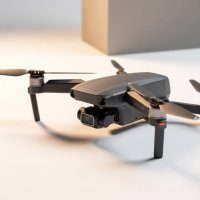
Welcome to the world of aerial photography, a realm once reserved for Hollywood blockbusters and high-budget productions. Today, thanks to incredible advancements in technology, the power to capture breathtaking bird’s-eye views fits right in the palm of your hand. A small drone with camera is no longer just a toy; it’s a powerful creative tool for travelers, content creators, and hobbyists alike. As the lead content creator here at RVSWS and a drone pilot with over 15 years of experience, I’ve seen the industry evolve dramatically. I’m here to guide you through everything you need to know about choosing, flying, and maximizing the potential of these compact aerial powerhouses.
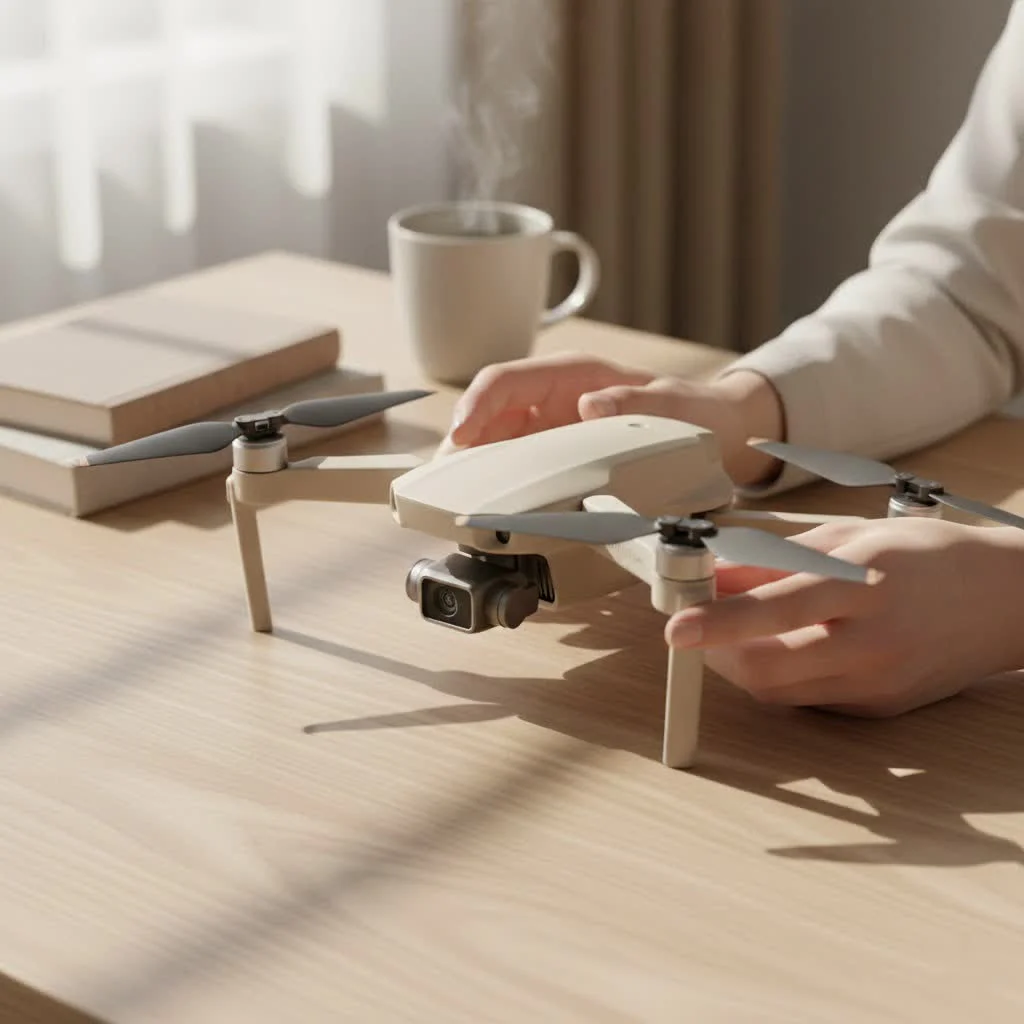
The magic of a modern small drone with camera lies in its blend of portability and performance. These devices are designed to be your go-anywhere creative companion, easily slipping into a backpack or even a jacket pocket. But don’t let their size fool you. The latest models pack professional-grade cameras, sophisticated stabilization systems, and intelligent flight features that make getting that perfect shot easier than ever. For expert consumer reviews on this site.
Why Choose a Compact Drone? The Size Advantage
You might be wondering, why go small? While larger drones certainly have their place, particularly in high-end commercial filmmaking, a compact drone offers a unique set of advantages that make it the perfect choice for the vast majority of users.
- Unmatched Portability: This is the most obvious benefit. The ability to carry your drone without a second thought means you’re more likely to have it with you when inspiration strikes, whether you’re on a mountain hike, a beach vacation, or simply exploring your local park.
- Discretion and Accessibility: A smaller drone is less intimidating and draws less attention than a larger, noisier model. This allows you to fly more discreetly in public spaces (where permitted) without disturbing others, capturing more natural and candid moments.
- The “Magic” 250-Gram Weight Class: Many of the best small drones weigh under 250 grams (or 0.55 lbs). This is a critical threshold in aviation regulations for many countries, including the United States. Drones in this category often do not require registration with the FAA for recreational use, simplifying the legal hurdles for new pilots.
- Affordability: Generally, smaller drones come with a more accessible price tag, making them an excellent entry point into the world of aerial photography without a massive financial commitment.
As aerospace engineer Dr. Evelyn Reed often says, “The engineering challenge isn’t just to make drones fly longer or see better, but to pack that capability into a smaller, lighter, and more accessible package. The sub-250-gram category represents the pinnacle of that achievement in consumer technology.”
Key Features to Look for in a Small Drone with Camera
Navigating the specifications can be daunting. Let’s break down the most important features to consider to ensure you choose a model that meets your creative needs.
Camera System: The Heart of Your Drone
|
Our Picks for the Best Drone in 2026
As an Amazon Associate I earn from qualifying purchases.
|
||
| Num | Product | Action |
|---|---|---|
| 1 | Drone with Camera - Drones for Adults, with 2 Batteries, Carrying Case, Propellers, 1080P HD Foldable Drone with Stable Hover, Trajectory Flight, Gravity Control, One Key Take Off/Land, 3D Flip |

|
| 2 | Drone with Camera for Adults, 2K HD FPV Drones with Upgrade Altitude Hold, One-Key Take Off/Landing, Speed Adjustment, Headless Mode, 2 Batteries, Toys Gifts for Teen Boys Girls, Beginner |
|
| 3 | Drone with Camera 1080P HD FPV Foldable Drone for Adults and Beginners, RC Quadcopter with Gravity Control, One Key Take Off/Land, Optical Flow Positioning, 360° Flip, 3 Speed Mode, Waypoint Fly Grey |
|
| 4 | DJI Mini 3 (DJI RC), Lightweight 3x Mechanical Gimbal Drones with Camera for Adults 4K, 38-min Flight Time, up to 32800ft (10km) Video Transmission, Vertical Shooting, GPS Auto Return Integrated |
|
| 5 | DJI Neo Three-Battery Combo, Mini Drone with 4K UHD Camera for Adults, 135g Self Flying Drone that Follows You, Palm Takeoff, Subject Tracking, QuickShots, Stabilized Video (Controller-Free) |
|
| 6 | DJI Mini 3 Fly More Combo (DJI RC), Drones with Camera for Adults 4K, 3 Batteries for 114-min Flight Time, Vertical Shooting, 32800ft (10km) Video Transmission, Lightweight Mini Drone for Beginners |
|
| 7 | DJI Mini 5 Pro Fly More Combo with DJI RC 2, Drone with Camera, 1-Inch CMOS, 4K Drone for Beginners with Omnidirectional Obstacle Sensing, ActiveTrack 360°, 225° Gimbal Rotation, 3 Batteries |
|
| 8 | LỖI |
|
| 9 | DJI Neo, Mini Drone with 4K UHD Camera for Adults, 135g Self Flying Drone that Follows You, Palm Takeoff, Subject Tracking, QuickShots, Stabilized Video, Built-In Propeller Guard (Controller-Free) |
|
| 10 | Drone with 1080P Camera for Beginners and Adults, Foldable Remote Control Quadcopter with Voice Control, Gestures Selfie, Altitude Hold, One Key Start, 3D Flips, 2 Batteries, Toy for Beginners |
|
The camera is the star of the show. A poor camera on a great-flying drone is a wasted opportunity. Here’s what matters most:
- Sensor Size: A larger sensor can capture more light, resulting in better image quality, especially in challenging low-light conditions. Look for models advertising a 1/1.3-inch or even a 1-inch sensor for superior performance.
- Resolution (Megapixels & Video): For photos, anything above 12 megapixels will provide good detail. For video, 4K resolution has become the standard, offering crisp, clear footage. Look for options with higher frame rates, like 4K/60fps, for smoother motion and the ability to create slow-motion effects.
- 3-Axis Gimbal Stabilization: This is non-negotiable. A mechanical 3-axis gimbal physically stabilizes the camera, counteracting the drone’s movements to produce perfectly smooth, cinematic video footage. Drones that rely on electronic stabilization simply can’t compete.
Flight Performance and Safety
A great camera is useless if the drone is difficult or unsafe to fly. Pay close attention to these performance metrics.
- Flight Time: This determines how long you can stay in the air on a single battery. Most quality small drones offer a flight time between 25 and 35 minutes. Always consider purchasing extra batteries to extend your shooting sessions.
- Range and Transmission System: The transmission system (like DJI’s OcuSync) dictates how far you can fly the drone while maintaining a clear video feed to your controller or phone. A robust system ensures a stable connection, which is crucial for both control and composing your shots.
- Obstacle Avoidance: More advanced models are equipped with sensors on the front, back, bottom, and even top to detect and avoid obstacles automatically. This is an invaluable safety feature, especially for beginners or when flying in complex environments like forests or urban areas.
- Wind Resistance: Due to their light weight, small drones are more susceptible to wind. Look for models with a specified wind resistance level (e.g., Level 5) to ensure stable flight in breezy conditions.
Flying Your Drone: A Pre-Flight Checklist
Safety and responsibility are paramount in the drone community. Before every flight, running through a quick checklist can prevent accidents and ensure a successful outing.
RVSWS Pre-Flight Checklist:
- Check Regulations: Are you allowed to fly here? Use an app like B4UFLY (in the US) to check for airspace restrictions.
- Weather Conditions: Is it too windy or raining? Check the forecast. High winds are a small drone’s worst enemy.
- Equipment Inspection:
- Are the propellers free of nicks and cracks?
- Are the batteries fully charged (both for the drone and the controller)?
- Is the camera lens clean?
- Is the microSD card inserted and has enough space?
- Calibrate Compass: If you’ve traveled a significant distance from your last flight location, perform a compass calibration.
- Secure a Safe Takeoff Zone: Find a flat, clear area away from people, trees, and power lines.
- Confirm GPS Lock: Wait for the drone to acquire a strong GPS signal and set its home point. This is crucial for the Return-to-Home (RTH) safety feature.
- Visual Line of Sight: Always keep the drone where you can see it with your own eyes.
Frequently Asked Questions (FAQ)
What is the best small drone with camera for a beginner?
For beginners, the priority should be ease of use and safety features. Look for a drone under 250g with a good GPS system, a stable hover, an automatic Return-to-Home function, and ideally, some form of obstacle avoidance.
Do I need a license to fly a small drone?
In many regions, including the United States, you do not need to register or get a license to fly a drone that weighs less than 250 grams for purely recreational purposes. However, you must always follow local safety rules. If you plan to use the drone for any commercial purpose (e.g., selling photos, real estate photography), you must obtain a Part 107 certificate from the FAA.
How high can I legally fly my drone?
In the United States, the maximum legal altitude for a drone is 400 feet (about 120 meters) above ground level. This ensures you stay clear of manned aircraft. Always check the specific regulations for your country.
Can I fly a small drone in windy conditions?
While modern small drones have impressive wind resistance, their light weight makes them vulnerable. It’s best to avoid flying in winds exceeding 15-20 mph (25-30 kph). Flying in high winds will significantly reduce battery life and increase the risk of a crash or flyaway.
What is the main difference between a cheap toy drone and a quality small camera drone?
The three biggest differences are the camera system, flight stability, and safety features. A quality small drone with camera will have a 3-axis gimbal for smooth video, GPS for a stable hover and Return-to-Home, and a much more reliable control link. Toy drones typically lack all of these, resulting in shaky video and a less reliable flying experience.
The Sky is No Longer the Limit
A small drone with camera is a remarkable piece of technology that opens up a new world of creative possibilities. It allows you to document your adventures, capture unique perspectives, and create professional-looking content with a device that fits in your pocket. By focusing on the key features—a high-quality camera on a 3-axis gimbal, robust flight performance, and essential safety systems—you can find the perfect aerial companion for your needs. Remember to always fly safely, respect privacy, and follow local regulations. Now get out there, explore, and share your unique view of the world.
Get our weekly buyer guide
Practical specs, not advice. Unsubscribe anytime.