Ever looked up at the sky and seen a small, buzzing aircraft hovering and zipping around with incredible agility? That’s a drone, and it represents one of the most exciting technological leaps of our time. What was once the stuff of science fiction and military operations is now accessible to everyone, from hobbyists and photographers to farmers and filmmakers. A drone, formally known as an Unmanned Aerial Vehicle (UAV), is essentially a flying robot. It can be remotely controlled by a pilot on the ground or fly autonomously through a pre-programmed flight plan, guided by GPS and onboard sensors. They are transforming industries and opening up new creative possibilities, and understanding them is the first step to harnessing their incredible potential.
What Are the Main Types of Drones?
Drones come in all shapes and sizes, each designed for a specific purpose. While the variety is vast, they can generally be grouped into a few key categories based on their design and function. Understanding these differences is crucial to choosing the right drone for your needs.
Multi-Rotor Drones
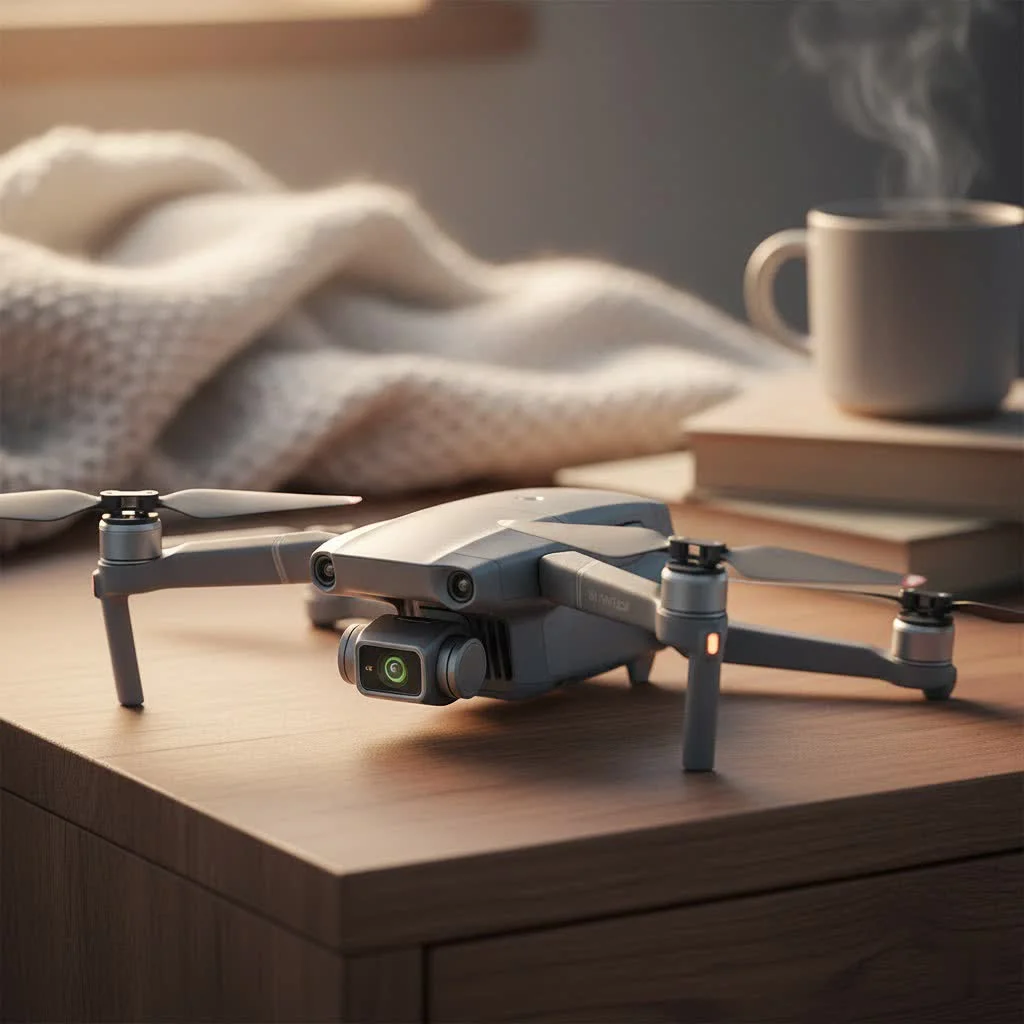
When you picture a drone, you’re most likely thinking of a multi-rotor model. These are the most common type for consumers and many commercial applications. They use multiple propellers (rotors) to generate lift and control their movement.
- Quadcopters (4 rotors): The most popular configuration, offering a great balance of stability, control, and simplicity. They are the go-to choice for aerial photography, videography, and recreational flying.
- Hexacopters (6 rotors) & Octocopters (8 rotors): With more rotors comes greater lifting power and redundancy. If one motor fails on a hexacopter or octocopter, the drone can often still land safely. This makes them ideal for professional cinematography and industrial tasks where they might carry heavy cameras or specialized sensors.
The primary advantage of multi-rotor drones is their ability to take off and land vertically (VTOL) and hover in a fixed position, making them perfect for inspections and capturing stable video footage in tight spaces.
Fixed-Wing Drones
Looking more like a traditional airplane, a fixed-wing drone uses its wings to generate lift just like a commercial airliner. They cannot hover in place but are far more efficient in forward flight than their multi-rotor counterparts. This efficiency translates to significantly longer flight times and the ability to cover vast areas of land quickly.
These drones are the workhorses for large-scale operations such as:
- Agricultural mapping and crop health analysis
- Long-range surveillance and pipeline inspections
- Environmental monitoring over large territories
Hybrid VTOL Drones
|
Our Picks for the Best Drone in 2026
As an Amazon Associate I earn from qualifying purchases.
|
||
| Num | Product | Action |
|---|---|---|
| 1 | Drone with Camera 1080P HD FPV Foldable Drone for Adults and Beginners, RC Quadcopter with Gravity Control, One Key Take Off/Land, Optical Flow Positioning, 360° Flip, 3 Speed Mode, Waypoint Fly Grey |

|
| 2 | Drone with Camera for Adults, 2K HD FPV Drones with Upgrade Altitude Hold, One-Key Take Off/Landing, Speed Adjustment, Headless Mode, 2 Batteries, Toys Gifts for Teen Boys Girls, Beginner |
|
| 3 | Drone with Camera - Drones for Adults, with 2 Batteries, Carrying Case, Propellers, 1080P HD Foldable Drone with Stable Hover, Trajectory Flight, Gravity Control, One Key Take Off/Land, 3D Flip |
|
| 4 | DJI Mini 3 Fly More Combo (DJI RC), Drones with Camera for Adults 4K, 3 Batteries for 114-min Flight Time, Vertical Shooting, 32800ft (10km) Video Transmission, Lightweight Mini Drone for Beginners |
|
| 5 | Drone with 1080P Camera for Beginners and Adults, Foldable Remote Control Quadcopter with Voice Control, Gestures Selfie, Altitude Hold, One Key Start, 3D Flips, 2 Batteries, Toy for Beginners |
|
| 6 | DJI Neo Three-Battery Combo, Mini Drone with 4K UHD Camera for Adults, 135g Self Flying Drone that Follows You, Palm Takeoff, Subject Tracking, QuickShots, Stabilized Video (Controller-Free) |
|
| 7 | DJI Mini 5 Pro Fly More Combo with DJI RC 2, Drone with Camera, 1-Inch CMOS, 4K Drone for Beginners with Omnidirectional Obstacle Sensing, ActiveTrack 360°, 225° Gimbal Rotation, 3 Batteries |
|
| 8 | LỖI |
|
| 9 | DJI Mini 3 (DJI RC), Lightweight 3x Mechanical Gimbal Drones with Camera for Adults 4K, 38-min Flight Time, up to 32800ft (10km) Video Transmission, Vertical Shooting, GPS Auto Return Integrated |
|
| 10 | DJI Neo, Mini Drone with 4K UHD Camera for Adults, 135g Self Flying Drone that Follows You, Palm Takeoff, Subject Tracking, QuickShots, Stabilized Video, Built-In Propeller Guard (Controller-Free) |
|
Combining the best of both worlds, hybrid drones (or VTOL drones) merge the vertical takeoff and landing capabilities of a multi-rotor with the endurance and speed of a fixed-wing design. They can ascend like a helicopter, transition to efficient forward flight like an airplane, and then land vertically again. This versatility makes them invaluable for complex missions that require both hovering precision and long-range coverage, such as remote package delivery or search and rescue operations in difficult terrain.
“The evolution from simple quadcopters to sophisticated hybrid VTOL systems showcases the incredible pace of innovation in the UAV sector,” notes aerospace engineer Dr. Eleanor Vance. “This adaptability is what’s driving the drone revolution across so many industries.”
How Do You Choose the Right Drone?
With so many options on the market, selecting the perfect drone can feel overwhelming. The key is to first identify your primary use case. Are you looking to capture stunning vacation photos, survey a construction site, or simply enjoy the thrill of flying?
For the Hobbyist and Photographer
If you’re starting out or focusing on photography and videography, a consumer-grade quadcopter is your best bet. Look for models with features like:
- High-Quality Camera: A camera with a 3-axis gimbal is essential for smooth, cinematic footage. Look for resolutions of 4K or higher.
- GPS and Stability: GPS is crucial for stable hovering, accurate positioning, and enabling features like “Return to Home.”
- Ease of Use: Many modern drones come with intelligent flight modes, such as automated subject tracking and pre-programmed flight paths, making it easy to get professional-looking shots.
- Flight Time: Most consumer drones offer flight times between 20 to 35 minutes per battery. Having extra batteries is always a good idea.
For Commercial and Industrial Applications
Professionals need drones built for reliability, endurance, and specific tasks. Commercial drones often feature:
- Higher Payload Capacity: The ability to carry specialized equipment like thermal cameras, LiDAR sensors, or multispectral sensors for agriculture.
- Extended Flight Time: Fixed-wing and hybrid models are preferred for their ability to stay airborne for an hour or more.
- Robust Construction: Drones designed for industrial use are built to withstand harsher weather conditions.
- Advanced Software Integration: Enterprise-level software allows for mission planning, data processing, and fleet management.
Understanding Drone Flying Regulations
Flying a drone isn’t just about taking it out of the box and launching it into the air. As a pilot, you are responsible for operating it safely and legally. In the United States, the Federal Aviation Administration (FAA) sets the rules for all drone operators.
Key Rules for All Drone Pilots
Whether you are flying for fun or for work, some rules apply to everyone:
- Maximum Altitude: Fly at or below 400 feet above the ground.
- Visual Line of Sight (VLOS): You must be able to see your drone with your own eyes (without binoculars) at all times.
- Airspace Awareness: Be aware of airspace restrictions. You cannot fly near airports, over stadiums, or in other restricted zones without authorization.
- Give Way to Manned Aircraft: Drones must always yield the right of way to airplanes and helicopters.
- Do Not Fly Over People: Avoid flying over groups of people, public events, or stadiums full of people.
Flying for Fun (Recreational)
If you are flying purely for enjoyment, you must take The Recreational UAS Safety Test (TRUST). It’s a free online test that provides you with a certificate upon completion. Additionally, if your drone weighs more than 0.55 pounds (250 grams), you must register it with the FAA.
Flying for Work (Commercial)
Any flight that is part of a business is considered commercial. To fly a drone commercially, you must:
- Be at least 16 years old.
- Obtain a Remote Pilot Certificate from the FAA, also known as a Part 107 license. This requires passing an in-person aeronautical knowledge exam.
- Register your drone with the FAA, regardless of its weight.
Safety Checklist Before Every Flight
A pre-flight check is non-negotiable for safe operation.
- Check weather conditions (avoid high winds and rain).
- Inspect the drone for any damage (propellers, frame, camera).
- Ensure batteries for the drone and controller are fully charged.
- Verify the controller is properly connected to the drone.
- Calibrate the drone’s compass if you are in a new location.
- Make sure your flight area is clear of people, animals, and obstacles.
Essential Maintenance for Your Drone
Proper care and maintenance will extend the life of your drone and ensure it operates safely. Regular checks are simple but vital.
- Clean Regularly: Use a soft cloth and compressed air to clean the motors, shell, and camera lens. Dirt and debris can interfere with performance.
- Inspect Propellers: Before and after every flight, check propellers for nicks, cracks, or warping. A damaged propeller can fail mid-flight, so replace them immediately.
- Battery Care: Store batteries at around 50% charge in a cool, dry place. Avoid leaving them fully charged for long periods, and never use a swollen or damaged battery.
- Firmware Updates: Manufacturers frequently release firmware updates that improve flight stability, add features, and patch security vulnerabilities. Always keep your drone, controller, and flight app updated to the latest version.
Frequently Asked Questions (FAQ)
What is the difference between a drone and a UAV?
The terms are often used interchangeably. UAV stands for Unmanned Aerial Vehicle, which is the more formal, technical term. “Drone” is the common name that has been widely adopted by the public.
How far can a drone fly?
The range depends on the model. Basic toy drones might only fly 50-100 feet away from the controller. High-end consumer drones can fly several miles away, but remember that FAA regulations require you to keep the drone within your visual line of sight at all times.
Do I need to register my drone?
In the U.S., you must register any drone that weighs more than 0.55 pounds (250 grams). This applies to both recreational and commercial pilots.
What happens if my drone loses connection?
Most modern drones with GPS have a “Return to Home” (RTH) failsafe. If the drone loses connection with the controller, it will automatically ascend to a safe altitude and fly back to its takeoff point.
Can I fly my drone in the rain?
Most consumer drones are not waterproof and should not be flown in rain, snow, or heavy fog. Water can damage the sensitive electronic components. There are specialized, weather-resistant industrial drones, but they are much more expensive.
The Future is in the Sky
The world of drones is dynamic and rapidly evolving. From their humble beginnings, they have become powerful tools that are reshaping industries and unlocking new creative potential. Whether you are a curious beginner looking to buy your first drone or a professional aiming to integrate UAV technology into your business, understanding the fundamentals of what a drone is, how it operates, and the rules of the sky is your first step toward successful and responsible flight. The sky is no longer the limit; it’s the new frontier.
Get our weekly buyer guide
Practical specs, not advice. Unsubscribe anytime.
As a farmer, I’ve been considering how drones could help with surveying my fields. The mention of drones transforming industries and being used by farmers really resonated with me. It’s exciting to see how this technology, once military-focused, is now so accessible and practical for everyday applications. Definitely inspired me to look into agricultural drones.
I’ve been wanting to get into drones for a while but felt overwhelmed by all the options. This guide really helped clarify the different types of drones and what they’re best for. I’m leaning towards a beginner-friendly model for photography now, thanks to the breakdown of how UAVs are used by hobbyists. Super helpful for someone just starting out!
Great overview for beginners! I appreciated the explanation of how drones can fly autonomously with GPS and sensors; it’s a feature I often forget about when I’m just thinking about remote control. It really highlights the ‘flying robot’ aspect. I’m an experienced pilot, but I’d definitely recommend this to anyone new to the hobby.
The guide was pretty good at explaining what drones are and their basic functions. I was hoping for a bit more detail on specific brands or price ranges for beginner drones, as that’s where I’m really stuck. It’s a good starting point, but I still feel like I need more concrete recommendations to make a purchase.