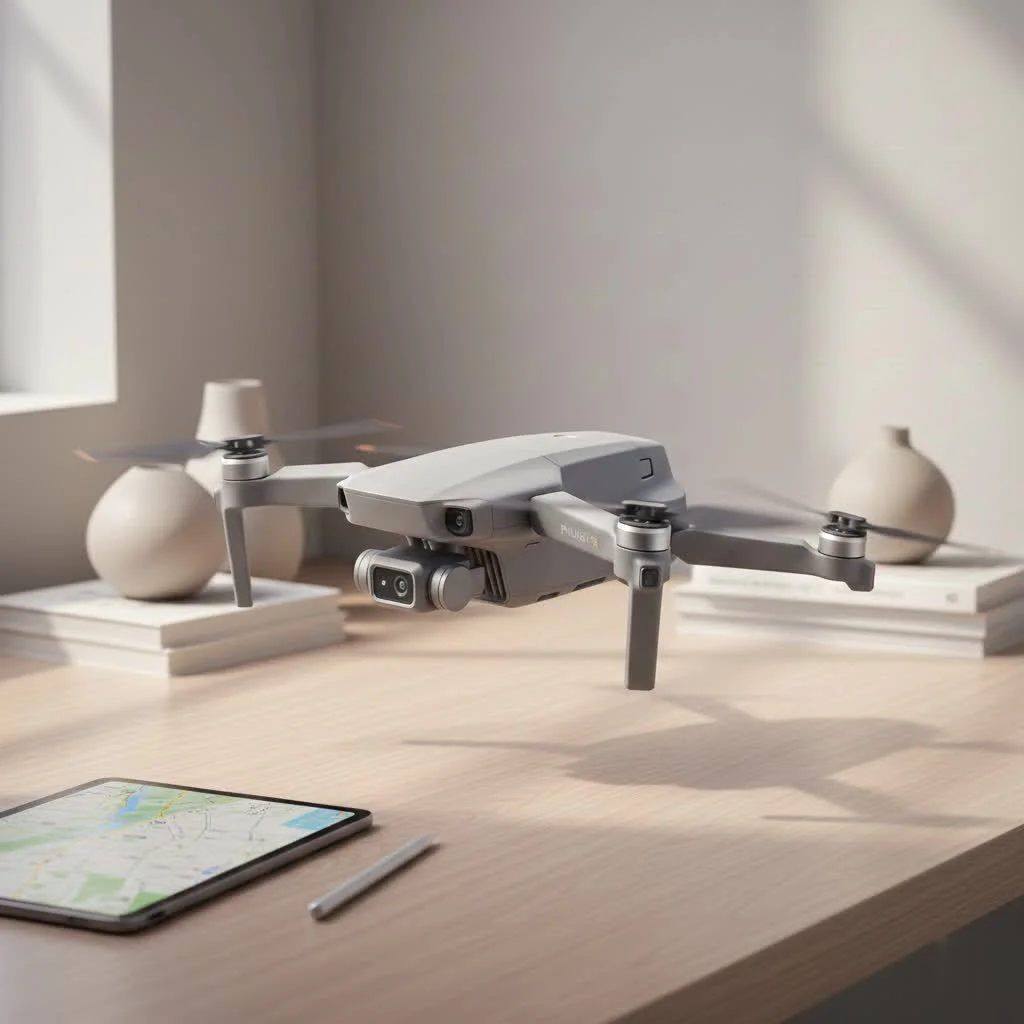
The DJI Mini 3 Pro drone is a revolutionary compact drone that combines professional-grade features, including a 4K/60fps camera, tri-directional obstacle sensing, and intelligent flight modes, into a body weighing under 249 grams. This design allows it to bypass registration requirements in many regions, such as with the FAA in the United States, making it highly accessible for travelers and hobbyists while still delivering advanced capabilities previously found only in larger, heavier drones.
More Than Mini: A Pro in Your Pocket
The most immediate and impactful feature of the DJI Mini 3 Pro is its weight. At under 249 grams with the standard battery, it sits below the threshold for drone registration in many countries, including the FAA in the United States. This isn’t just a convenience; it’s a gateway for travelers and hobbyists to fly with fewer restrictions. But don’t let its featherlight classification fool you. The drone’s body has been completely redesigned from its predecessors, featuring a more aerodynamic and aggressive posture that improves battery life and allows for larger propellers, enhancing its stability.
One of the standout design improvements is the redesigned gimbal. A clever cutout in the drone’s body now allows the camera to tilt up to 60 degrees, a feature unheard of in consumer drones, opening up a world of creative low-angle shots that were previously impossible. Gone are the days of needing to fold and unfold the arms in a specific sequence; it’s a small but welcome quality-of-life improvement that shows DJI’s attention to detail.
A Camera That Punches Above Its Weight
The heart of any great camera drone is, of course, the camera. The Mini 3 Pro represents a monumental upgrade for the Mini series. It boasts a larger 1/1.3-inch CMOS sensor with a fast f/1.7 aperture, which dramatically improves image quality, especially in low-light conditions. This sensor captures stunning 48MP RAW photos and, for videographers, records crisp 4K video at up to 60 frames per second.
“The jump in image quality with the Mini 3 Pro is not just incremental; it’s transformative for a drone of this size,” says Alex Carter, our lead engineer at RVSWS. “The larger sensor and wider aperture mean you’re getting usable, professional-looking footage even as the sun goes down, something previously reserved for much larger, heavier drones.”
Perhaps the most talked-about feature is the gimbal’s ability to rotate 90 degrees for true vertical shooting. In an age dominated by social media platforms like TikTok and Instagram, this is a major upgrade. No more cropping your beautiful wide shots and losing massive amounts of detail. You can now capture content natively in a 9:16 aspect ratio, ensuring your aerial footage looks its best on any platform. For serious filmmakers, the inclusion of the D-Cinelike color profile provides 10-bit color, offering greater flexibility for color grading in post-production.
Fly with Confidence: Pro-Level Flight Features
|
Our Picks for the Best Drone in 2026
As an Amazon Associate I earn from qualifying purchases.
|
||
| Num | Product | Action |
|---|---|---|
| 1 | DJI Mini 5 Pro Fly More Combo with DJI RC 2, Drone with Camera, 1-Inch CMOS, 4K Drone for Beginners with Omnidirectional Obstacle Sensing, ActiveTrack 360°, 225° Gimbal Rotation, 3 Batteries |

|
| 2 | DJI Neo Three-Battery Combo, Mini Drone with 4K UHD Camera for Adults, 135g Self Flying Drone that Follows You, Palm Takeoff, Subject Tracking, QuickShots, Stabilized Video (Controller-Free) |
|
| 3 | LỖI |
|
| 4 | DJI Neo, Mini Drone with 4K UHD Camera for Adults, 135g Self Flying Drone that Follows You, Palm Takeoff, Subject Tracking, QuickShots, Stabilized Video, Built-In Propeller Guard (Controller-Free) |
|
| 5 | Drone with Camera - Drones for Adults, with 2 Batteries, Carrying Case, Propellers, 1080P HD Foldable Drone with Stable Hover, Trajectory Flight, Gravity Control, One Key Take Off/Land, 3D Flip |
|
| 6 | Drone with Camera for Adults, 2K HD FPV Drones with Upgrade Altitude Hold, One-Key Take Off/Landing, Speed Adjustment, Headless Mode, 2 Batteries, Toys Gifts for Teen Boys Girls, Beginner |
|
| 7 | DJI Mini 3 Fly More Combo (DJI RC), Drones with Camera for Adults 4K, 3 Batteries for 114-min Flight Time, Vertical Shooting, 32800ft (10km) Video Transmission, Lightweight Mini Drone for Beginners |
|
| 8 | Drone with Camera 1080P HD FPV Foldable Drone for Adults and Beginners, RC Quadcopter with Gravity Control, One Key Take Off/Land, Optical Flow Positioning, 360° Flip, 3 Speed Mode, Waypoint Fly Grey |
|
| 9 | DJI Mini 3 (DJI RC), Lightweight 3x Mechanical Gimbal Drones with Camera for Adults 4K, 38-min Flight Time, up to 32800ft (10km) Video Transmission, Vertical Shooting, GPS Auto Return Integrated |
|
| 10 | Drone with 1080P Camera for Beginners and Adults, Foldable Remote Control Quadcopter with Voice Control, Gestures Selfie, Altitude Hold, One Key Start, 3D Flips, 2 Batteries, Toy for Beginners |
|
For the first time in the Mini series, DJI has equipped a sub-250g drone with a robust suite of safety and intelligent flight features. The DJI Mini 3 Pro drone includes tri-directional obstacle sensing—with forward, backward, and downward-facing sensors. This is a massive step up in safety and enables powerful autonomous capabilities.
The inclusion of the FocusTrack suite, featuring ActiveTrack 4.0, is another game-changing addition. You can now draw a box around a subject—a person, a car, a boat—and the drone will intelligently follow it. While it lacks the 360-degree obstacle avoidance of its larger siblings like the Mavic 3, the “Trace” mode is incredibly effective and safe for following subjects from behind. This feature alone turns a single operator into a mobile film crew, perfect for capturing dynamic action shots without needing a dedicated pilot.
Here’s a quick checklist for your pre-flight setup to ensure a safe and successful flight:
- Check the weather: Avoid flying in high winds or rain.
- Inspect your drone: Look for any damage to propellers or the body.
- Ensure batteries are fully charged: This includes the drone and the remote controller.
- Verify SD card: Make sure you have a formatted card with enough space.
- Calibrate compass if prompted: Do this in an open area away from metal objects.
- Set your Return-to-Home (RTH) altitude: Ensure it’s higher than any obstacles in the area.
What’s Your Flight Style? Controller and Battery Options
DJI offers the Mini 3 Pro with two main controller options. The standard RC-N1 controller requires you to use your smartphone as a screen. However, the real star is the optional DJI RC. This new controller features a bright, built-in 5.5-inch screen that eliminates the hassle of connecting your phone. It’s lightweight, boots up quickly, and makes the entire flying experience more streamlined and enjoyable.
To complement its versatility, the Mini 3 Pro also has two battery options:
- Intelligent Flight Battery: This standard battery provides up to 34 minutes of flight time and keeps the drone’s weight at 249g.
- Intelligent Flight Battery Plus: For those who need maximum airtime, this battery extends flight time to an incredible 47 minutes. Note that this battery pushes the drone’s weight over the 250g threshold, which may require registration in some regions.
| Feature | Standard Battery | Battery Plus |
|---|---|---|
| Flight Time | Up to 34 minutes | Up to 47 minutes |
| Drone Weight | Under 249g | Approx. 289g |
| Regulatory | Fewer restrictions | May require registration |
Is the DJI Mini 3 Pro the Right Drone for You?
The DJI Mini 3 Pro drone is an incredibly compelling package for a wide range of users.
- For Beginners: The advanced safety features, compact size, and user-friendly interface make it one of the best and safest drones to learn on.
- For Content Creators: The high-quality 4K/60fps video, D-Cinelike color, and revolutionary vertical shooting mode make it a perfect tool for creating stunning social media content.
- For Travelers: Its lightweight, pocketable design and regulatory-friendly weight mean you’ll never have to question whether to bring your drone along on an adventure.
- For Professionals: While it may not replace a high-end cinema drone, it serves as an excellent, highly capable B-camera or a go-to option when discretion and portability are paramount.
Conclusion: The New Benchmark for Compact Drones
The DJI Mini 3 Pro drone is more than just an update; it’s a redefinition of what a small drone can be. By packing a professional-grade camera, advanced obstacle avoidance, and intelligent tracking features into a sub-250g frame, DJI has created a tool that is both accessible to beginners and powerful enough for demanding creators. It removes the compromise between portability and performance, delivering a flying experience that is liberating and inspiring. Whether you’re capturing your travels, creating content for your brand, or simply exploring the world from a new perspective, the Mini 3 Pro is an exceptional companion that is ready to fly whenever inspiration strikes.
Frequently Asked Questions
Does the DJI Mini 3 Pro require registration with aviation authorities?
With the standard Intelligent Flight Battery, the DJI Mini 3 Pro weighs under 249g, which typically exempts it from FAA registration in the US for recreational use. However, using the Intelligent Flight Battery Plus increases its weight to approximately 289g, requiring registration in many regions. Always verify local drone regulations.
How effective is the obstacle avoidance system on the Mini 3 Pro?
The Mini 3 Pro features tri-directional obstacle sensing with forward, backward, and downward sensors. This allows it to automatically brake or maneuver around obstacles when moving forward or backward. It does not have side sensors, so pilots should exercise caution during sideways flight, especially in autonomous modes.
What is the primary benefit of the DJI RC controller for the Mini 3 Pro?
The DJI RC controller offers a significant advantage by featuring a bright, built-in 5.5-inch screen, eliminating the need to connect a smartphone. This provides a clearer display in sunny conditions, conserves phone battery, and ensures a quicker, more seamless setup and flying experience.
Can the DJI Mini 3 Pro perform well in windy conditions?
The Mini 3 Pro demonstrates impressive wind resistance for its size, rated for up to 23.9 mph (Level 5 wind resistance). However, as a lightweight drone, it can be more susceptible to strong gusts than larger, heavier models, so flying in high winds should be avoided.
What is 'true vertical shooting' and why is it important for content creators?
True vertical shooting means the drone's gimbal can physically rotate the camera 90 degrees to capture video and photos in a portrait orientation (9:16 aspect ratio) without any loss of image quality from digital cropping. This is crucial for creating content optimized for social media platforms like TikTok and Instagram, ensuring aerial footage looks its best.
What are the flight time differences between the two battery options?
The standard Intelligent Flight Battery provides up to 34 minutes of flight time, keeping the drone's weight under 249g. The Intelligent Flight Battery Plus extends the flight time to an impressive 47 minutes, though it increases the drone's weight to approximately 289g, which may impact regulatory requirements.
Pre-Flight Checklist for DJI Mini 3 Pro
Ensure a safe and successful flight with your DJI Mini 3 Pro drone by following these essential pre-flight steps.
Always check the local weather forecast before flying. Avoid operating your drone in high winds, rain, or other adverse weather conditions to prevent damage or loss of control.
Before each flight, visually inspect your DJI Mini 3 Pro for any signs of damage to the propellers, motors, or drone body. Replace any damaged components immediately to ensure safe operation.
Ensure both the drone's Intelligent Flight Battery (or Battery Plus) and the remote controller's battery are fully charged. This prevents unexpected power loss during flight and ensures you have ample flight time.
Confirm that a formatted SD card with sufficient storage space is inserted into the drone. This ensures all your captured photos and videos are saved correctly.
Before takeoff, set your Return-to-Home (RTH) altitude to be higher than any obstacles in your flight area. This ensures the drone can safely return to its home point if connection is lost or the RTH function is activated.
Get our weekly buyer guide
Practical specs, not advice. Unsubscribe anytime.
I was really excited about the intelligent flight modes, but I found them a bit finicky to set up initially. Once I got the hang of it, they worked pretty well, but there was a learning curve. Still, the fact it’s under 249 grams is a major plus for me, making it super convenient to carry around.
This drone is fantastic for its weight class. The tri-directional obstacle sensing has saved me a few times already, which is a huge relief when flying in new areas. My only minor gripe is the battery life with the standard battery; I definitely recommend getting the extended one if you plan on longer flights.
I’ve been looking for a drone that’s easy to travel with without sacrificing camera quality, and the Mini 3 Pro is exactly that. The 4K/60fps camera is incredible for its size, and I love not having to worry about FAA registration. It’s truly a game-changer for my vacation videos.
Coming from an older, much heavier drone, the portability of the DJI Mini 3 Pro is amazing. It fits right into my backpack without any hassle. The advanced capabilities packed into such a small body are seriously impressive; it feels like a much larger, more expensive drone.