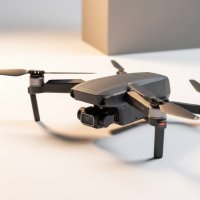
Welcome to the ultimate guide on the fascinating world of the droni drone. Whether you’re a complete beginner curious about this technology or an aspiring aerial photographer looking to elevate your craft, you’ve come to the right place. For over 15 years, I’ve lived and breathed drones, from building custom rigs to navigating complex airspace regulations. Here at RVSWS, my goal is to distill that experience into clear, practical advice that empowers you to fly safely, confidently, and creatively. This comprehensive guide will walk you through everything you need to know, from the different types of drones available to the essential maintenance that keeps them airborne.
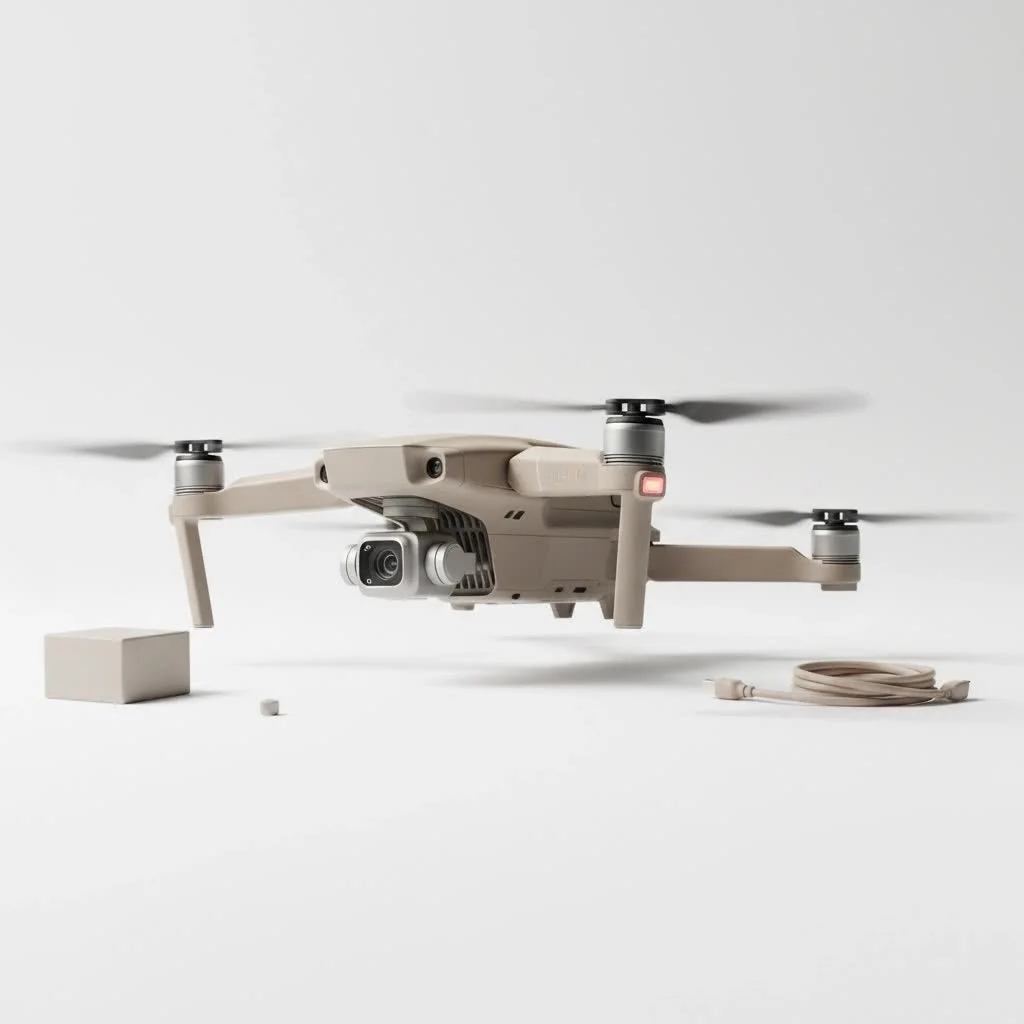
The term “droni drone” itself captures the global excitement around these unmanned aerial vehicles (UAVs). “Droni” is simply the Italian word for drones, reminding us of the worldwide community of pilots and innovators. In this article, we’ll explore what makes these devices so captivating and how you can become a part of this dynamic field.
Understanding the Different Types of Drones
The drone market is incredibly diverse, with models designed for nearly every purpose imaginable. Understanding the main categories is the first step in finding the right aircraft for your needs.
Beginner and Toy Drones
These are small, affordable, and durable drones perfect for learning the basics of flight. They often come with propeller guards and simplified controls, making them ideal for indoor practice. While they lack the advanced camera systems of their more expensive counterparts, they are an excellent, low-risk entry point into the hobby.
Camera and Photography Drones
This is the most popular category for consumers and prosumers. These drones are equipped with high-quality cameras, often mounted on 3-axis gimbals for incredibly smooth video footage.
- Key Features: GPS stabilization, long flight times (20-40 minutes), intelligent flight modes (like “Follow Me” or “Orbit”), and high-resolution sensors (4K video is standard).
- Common Uses: Aerial photography, travel vlogging, real estate marketing, and filmmaking.
FPV (First-Person View) Drones
FPV flying is an entirely different beast. The pilot wears goggles that display a live feed directly from a camera on the front of the drone, creating a sensation of being in the cockpit. FPV drones are built for speed, agility, and acrobatic maneuvers.
- Racing Drones: Small, lightweight, and incredibly fast, designed for competitive racing on specialized courses.
- Freestyle Drones: Built for creative, acrobatic flying, allowing pilots to perform complex tricks and maneuvers.
Commercial and Enterprise Drones
These are highly specialized tools designed for industrial applications. They are built for reliability, endurance, and carrying specific payloads.
- Agriculture: Drones equipped with multispectral sensors to monitor crop health or systems for precision spraying.
- Surveying and Mapping: Drones that use LiDAR or photogrammetry to create highly accurate 3D models of terrain and structures.
- Inspection: Rugged drones used to inspect power lines, wind turbines, bridges, and other critical infrastructure safely from a distance.
How to Choose the Right Droni Drone for You
With so many options, selecting your first or next drone can feel overwhelming. Let’s break down the key factors to consider to ensure you make the right choice.
1. Define Your Purpose
|
Our Picks for the Best Drone in 2026
As an Amazon Associate I earn from qualifying purchases.
|
||
| Num | Product | Action |
|---|---|---|
| 1 | Drone with Camera for Adults, 2K HD FPV Drones with Upgrade Altitude Hold, One-Key Take Off/Landing, Speed Adjustment, Headless Mode, 2 Batteries, Toys Gifts for Teen Boys Girls, Beginner |

|
| 2 | DJI Mini 3 (DJI RC), Lightweight 3x Mechanical Gimbal Drones with Camera for Adults 4K, 38-min Flight Time, up to 32800ft (10km) Video Transmission, Vertical Shooting, GPS Auto Return Integrated |
|
| 3 | DJI Neo Three-Battery Combo, Mini Drone with 4K UHD Camera for Adults, 135g Self Flying Drone that Follows You, Palm Takeoff, Subject Tracking, QuickShots, Stabilized Video (Controller-Free) |
|
| 4 | Drone with Camera 1080P HD FPV Foldable Drone for Adults and Beginners, RC Quadcopter with Gravity Control, One Key Take Off/Land, Optical Flow Positioning, 360° Flip, 3 Speed Mode, Waypoint Fly Grey |
|
| 5 | DJI Mini 3 Fly More Combo (DJI RC), Drones with Camera for Adults 4K, 3 Batteries for 114-min Flight Time, Vertical Shooting, 32800ft (10km) Video Transmission, Lightweight Mini Drone for Beginners |
|
| 6 | LỖI |
|
| 7 | Drone with Camera - Drones for Adults, with 2 Batteries, Carrying Case, Propellers, 1080P HD Foldable Drone with Stable Hover, Trajectory Flight, Gravity Control, One Key Take Off/Land, 3D Flip |
|
| 8 | DJI Mini 5 Pro Fly More Combo with DJI RC 2, Drone with Camera, 1-Inch CMOS, 4K Drone for Beginners with Omnidirectional Obstacle Sensing, ActiveTrack 360°, 225° Gimbal Rotation, 3 Batteries |
|
| 9 | Drone with 1080P Camera for Beginners and Adults, Foldable Remote Control Quadcopter with Voice Control, Gestures Selfie, Altitude Hold, One Key Start, 3D Flips, 2 Batteries, Toy for Beginners |
|
| 10 | DJI Neo, Mini Drone with 4K UHD Camera for Adults, 135g Self Flying Drone that Follows You, Palm Takeoff, Subject Tracking, QuickShots, Stabilized Video, Built-In Propeller Guard (Controller-Free) |
|
What do you primarily want to do with your drone?
- Just for Fun: A toy or beginner drone is a great start.
- Stunning Photos & Videos: Focus on camera drones with good sensors and gimbal stabilization.
- Adrenaline Rush: FPV is your calling.
- Business Application: You’ll need to research specialized commercial drones.
2. Consider Your Budget
Drone prices range from under $50 to well over $10,000. Set a realistic budget, but remember to account for extra costs like spare batteries, a good carrying case, and propeller guards. For most serious hobbyists, the sweet spot for a high-quality camera drone is between $400 and $1,500.
3. Key Specifications to Look For
- Flight Time: How long can the drone stay in the air on a single battery? Most consumer drones offer 25-35 minutes. Always have at least one spare battery.
- Range: How far can the drone fly from the controller? While flying beyond your visual line of sight is illegal in many places, a longer range ensures a more robust signal connection.
- Camera Quality: Look at the sensor size, resolution (4K is standard, but check the frame rates), and whether it shoots in a flat color profile for better post-processing.
- Portability: Do you need a drone that folds up and fits in a backpack, or is size not a major concern?
As expert aerial systems designer Dr. Alex Foreman often says, “The best drone isn’t the most expensive one; it’s the one that reliably and safely accomplishes the mission you have for it. Start with your ‘why,’ and the ‘what’ becomes much clearer.”
Navigating Drone Laws and Regulations
Flying a drone is not just a hobby; it’s a responsibility. Ignorance of the law is not an excuse, and penalties can be severe. While regulations vary by country, here are some universal principles, with a focus on FAA (Federal Aviation Administration) rules in the US.
The Golden Rules of Safe and Legal Flying
- Register Your Drone: In many countries, including the US, any drone weighing over 250 grams (0.55 lbs) must be registered with the national aviation authority.
- Fly at or Below 400 Feet (120 meters): This keeps you safely below most manned aircraft.
- Keep Your Drone Within Visual Line of Sight (VLOS): You must be able to see your drone with your own eyes at all times.
- Never Fly Over People or Moving Vehicles: This is a critical safety rule to prevent injury.
- Stay Away from Airports: Do not fly within 5 miles of an airport without explicit authorization.
- Respect Privacy: Do not fly over private property or use your drone to photograph or record people without their consent.
- Check for Local Restrictions: Many national parks, state parks, and local municipalities have their own no-fly zones. Always check before you fly.
For US pilots, the B4UFLY app is an essential tool for checking airspace restrictions in your area. For commercial operations, you will need to obtain a Part 107 certificate from the FAA.
Essential Tips for Flying Your Drone Safely
Beyond the rules, there are practical skills and habits that define a good pilot. Here are some of my top tips gathered from years in the field.
Pre-Flight Checklist
Never skip your pre-flight check. It takes only a few minutes and can prevent a disaster.
- Check weather conditions (avoid high winds and rain).
- Inspect propellers for any nicks or cracks.
- Ensure batteries (for both drone and controller) are fully charged.
- Verify that the drone’s firmware is up to date.
- Calibrate the drone’s compass if you are in a new location.
- Make sure your GPS has a strong lock on multiple satellites.
- Clear your take-off and landing zone of any obstacles.
Mastering Basic Maneuvers
Find a large, open field away from people and obstacles to practice.
- Hovering: Learn to keep the drone stable in one spot.
- Basic Movements: Practice moving forward, backward, left, and right using the control sticks.
- Box Pattern: Fly the drone in a square pattern, keeping the front of the drone facing away from you.
- Circles: Practice flying smooth, controlled circles around an object.
Gradually building this muscle memory is the key to confident and smooth flying.
Basic Drone Maintenance and Care
A well-maintained droni drone is a safe drone. Proper care will extend its lifespan and ensure it performs reliably every time you fly.
Routine Checks
- Clean Your Drone: After each flight, wipe down the body and camera lens with a soft, microfiber cloth. Use compressed air to gently clear dust from motor vents.
- Inspect Propellers: This is your most critical check. Damaged propellers are the number one cause of crashes. Replace them at the first sign of wear.
- Battery Care: Store your batteries at a partial charge (around 40-60%) in a cool, dry place. Never store them fully charged or fully depleted for long periods. Use a fire-safe LiPo bag for storage and charging.
Firmware Updates
Manufacturers regularly release firmware updates that improve flight stability, add new features, and patch security vulnerabilities. Always keep your drone, controller, and flight app updated to the latest versions.
Frequently Asked Questions (FAQ)
What is the best droni drone for a beginner?
For a complete beginner, something like the DJI Mini series or a similar drone from Autel Robotics is fantastic. They are user-friendly, have excellent safety features, weigh under 250g (avoiding registration in some regions), and provide great camera quality to grow into.
How long does it take to learn to fly a drone?
You can learn the basic controls in less than an hour. However, becoming a truly skilled and smooth pilot takes practice. Aim for at least 10-15 hours of flight time in an open area to build solid confidence.
Can I fly my drone in the rain?
It is highly advised not to. Most consumer drones are not water-resistant. Water can damage the sensitive electronics and motors, leading to a crash and permanent damage.
What happens if my drone loses its connection to the controller?
Most modern GPS drones have a “Return to Home” (RTH) failsafe. If the connection is lost, the drone will automatically ascend to a pre-set altitude, fly back to its take-off point, and land itself. Ensure this feature is properly configured before you fly.
Do I need insurance for my drone?
For recreational flying, it’s often not required but is highly recommended. Liability insurance can protect you in case of an accident that causes property damage or injury. For commercial pilots, insurance is almost always a necessity.
Your Journey into the Sky Awaits
The world of the droni drone is more accessible and exciting than ever before. From capturing breathtaking landscapes to unlocking new efficiencies in industry, these incredible machines offer a new perspective on our world. By starting with the right equipment, committing to understanding the regulations, and prioritizing safe flying habits, you are setting yourself up for a rewarding and thrilling experience.
The sky is a vast and open space. We at RVSWS encourage you to explore it responsibly, creatively, and with a constant desire to learn. Now go out there, complete your pre-flight checks, and enjoy the flight.
Get our weekly buyer guide
Practical specs, not advice. Unsubscribe anytime.