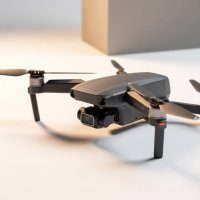
Welcome to the world of aerial photography, where technology is constantly pushing the boundaries of what’s possible in a small package. For years, DJI has dominated the consumer drone market, and the DJI Mini 3 drone is a testament to their innovation. It packs a powerful punch in a compact, travel-friendly frame, making high-quality aerial content more accessible than ever. Whether you’re a budding content creator or a hobbyist looking for an easy-to-fly companion, this drone aims to be your perfect partner in the sky.
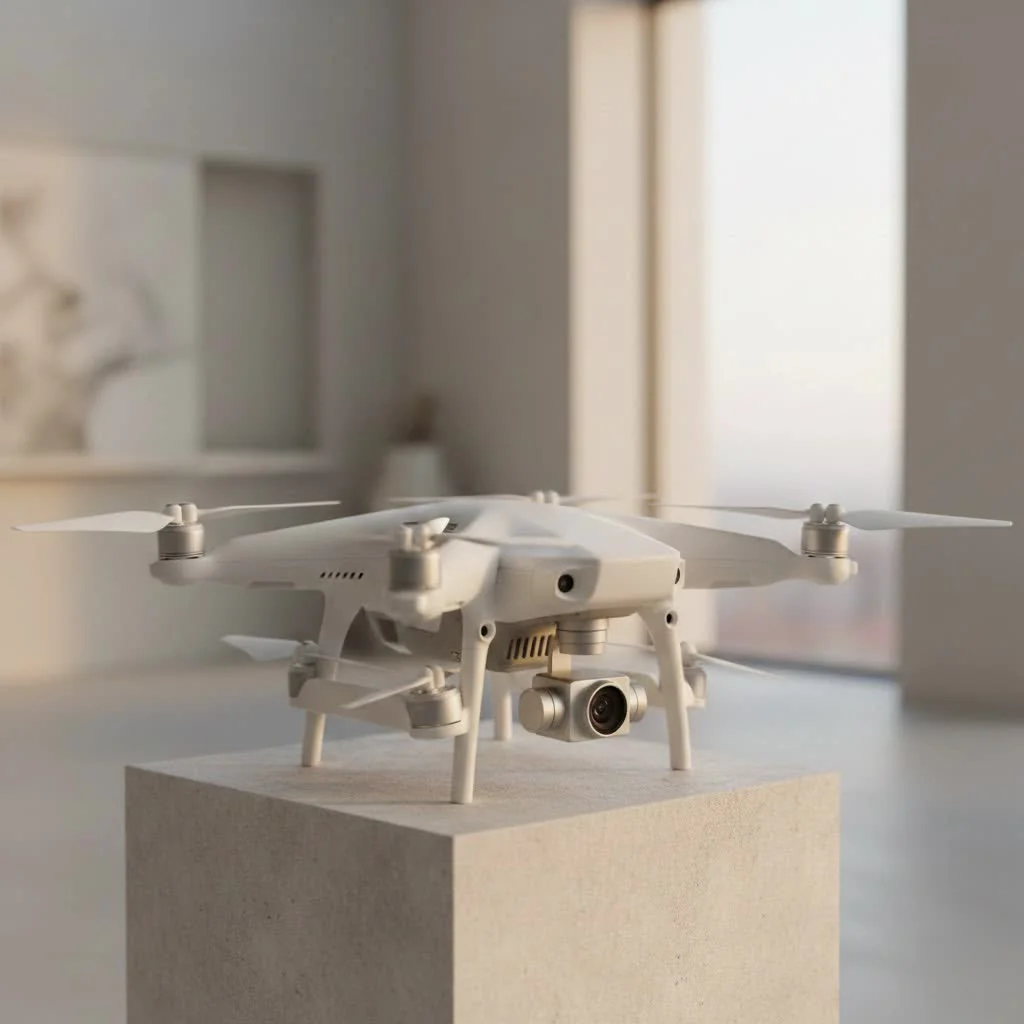
At RVSWS, we’ve spent countless hours with a vast range of drones, and the Mini 3 immediately caught our attention. It sits in a sweet spot, offering premium features without the “pro” price tag, but does it live up to the hype? This comprehensive review will break down everything you need to know.
Featherlight Freedom: The Sub-249g Advantage
One of the most significant features of the DJI Mini 3 drone is its weight. Tipping the scales at just under 249 grams (with the standard battery), it falls into the safest drone category in many countries, including the United States.
So, what does this mean for you?
- Fewer Regulations: In many regions, drones under 250g don’t require registration with aviation authorities. This removes a significant barrier to entry for new pilots.
- Ultimate Portability: Its foldable design and light weight make it incredibly easy to pack. You can slip it into a small bag or even a large jacket pocket, ensuring you never miss a chance to capture the moment.
“The sub-250g category is a game-changer for drone pilots,” says veteran aerial photographer, Marcus Holloway. “The DJI Mini 3 gives you the freedom to fly in more places with less hassle, all while delivering truly professional-looking footage.”
However, always remember to check your local laws and regulations before flying, as rules can vary and change over time. Safety and compliance are paramount for every pilot.
A Camera That Soars: 4K HDR and Vertical Shooting
The heart of any photography drone is its camera, and the DJI Mini 3 does not disappoint. It features a 1/1.3-inch CMOS sensor, which is impressively large for a drone of this size. This larger sensor allows it to capture more light, resulting in better image quality, especially in challenging low-light conditions.
Key Camera Specifications:
- Stunning 4K HDR Video: The drone records crisp, vibrant video at up to 30fps in 4K resolution. The addition of High Dynamic Range (HDR) ensures that your footage has excellent color and contrast, capturing details in both the brightest highlights and the darkest shadows.
- 12MP RAW Photos: For photographers who love to edit, the ability to shoot in RAW format provides maximum flexibility in post-production.
- True Vertical Shooting: This is a standout feature for social media creators. With the press of a button, the gimbal rotates 90 degrees to shoot in a vertical 9:16 aspect ratio, perfect for Instagram Reels, TikTok, and YouTube Shorts. No more cropping your beautiful wide shots and losing quality.
This vertical shooting capability is not just a software trick; it’s a mechanical rotation of the camera. This ensures you’re using the entire sensor, resulting in a full-resolution vertical image that is sharp and detailed.
How Does the DJI Mini 3 Drone Handle in the Air?
A great camera is useless if the drone is difficult to fly. Fortunately, the DJI Mini 3 is incredibly stable and responsive, making it a joy to operate even for absolute beginners.
Flight Performance and Battery Life
|
Our Picks for the Best Drone in 2026
As an Amazon Associate I earn from qualifying purchases.
|
||
| Num | Product | Action |
|---|---|---|
| 1 | LỖI |

|
| 2 | DJI Neo Three-Battery Combo, Mini Drone with 4K UHD Camera for Adults, 135g Self Flying Drone that Follows You, Palm Takeoff, Subject Tracking, QuickShots, Stabilized Video (Controller-Free) |
|
| 3 | Drone with 1080P Camera for Beginners and Adults, Foldable Remote Control Quadcopter with Voice Control, Gestures Selfie, Altitude Hold, One Key Start, 3D Flips, 2 Batteries, Toy for Beginners |
|
| 4 | DJI Mini 3 (DJI RC), Lightweight 3x Mechanical Gimbal Drones with Camera for Adults 4K, 38-min Flight Time, up to 32800ft (10km) Video Transmission, Vertical Shooting, GPS Auto Return Integrated |
|
| 5 | Drone with Camera - Drones for Adults, with 2 Batteries, Carrying Case, Propellers, 1080P HD Foldable Drone with Stable Hover, Trajectory Flight, Gravity Control, One Key Take Off/Land, 3D Flip |
|
| 6 | Drone with Camera for Adults, 2K HD FPV Drones with Upgrade Altitude Hold, One-Key Take Off/Landing, Speed Adjustment, Headless Mode, 2 Batteries, Toys Gifts for Teen Boys Girls, Beginner |
|
| 7 | DJI Mini 3 Fly More Combo (DJI RC), Drones with Camera for Adults 4K, 3 Batteries for 114-min Flight Time, Vertical Shooting, 32800ft (10km) Video Transmission, Lightweight Mini Drone for Beginners |
|
| 8 | Drone with Camera 1080P HD FPV Foldable Drone for Adults and Beginners, RC Quadcopter with Gravity Control, One Key Take Off/Land, Optical Flow Positioning, 360° Flip, 3 Speed Mode, Waypoint Fly Grey |
|
| 9 | DJI Mini 5 Pro Fly More Combo with DJI RC 2, Drone with Camera, 1-Inch CMOS, 4K Drone for Beginners with Omnidirectional Obstacle Sensing, ActiveTrack 360°, 225° Gimbal Rotation, 3 Batteries |
|
| 10 | DJI Neo, Mini Drone with 4K UHD Camera for Adults, 135g Self Flying Drone that Follows You, Palm Takeoff, Subject Tracking, QuickShots, Stabilized Video, Built-In Propeller Guard (Controller-Free) |
|
The drone is surprisingly resilient in the wind for its size, rated to handle winds up to 24 mph (38 kph). While it might get tossed around a bit more than its heavier counterparts, its gimbal does an exceptional job of keeping the footage buttery smooth.
DJI offers two battery options for the Mini 3:
- Standard Intelligent Flight Battery: Provides up to 38 minutes of flight time.
- Intelligent Flight Battery Plus: Extends your flight time to an incredible 51 minutes (Note: this battery pushes the drone over the 249g weight limit).
These flight times are achieved in ideal conditions, so expect slightly less in real-world scenarios with wind and active maneuvering. Still, it’s more than enough time to explore, frame your shots, and capture stunning content without feeling rushed.
DJI Mini 3 vs. Mini 3 Pro: Which One is for You?
One of the most common questions is how the standard Mini 3 compares to its slightly older sibling, the Mini 3 Pro. The choice comes down to your needs and budget.
| Feature | DJI Mini 3 | DJI Mini 3 Pro |
|---|---|---|
| Obstacle Sensing | Downward only | Tri-Directional (Forward, Backward, Downward) |
| Video Bitrate | 100 Mbps | 150 Mbps |
| Frame Rates | 4K/30fps, 2.7K/60fps | 4K/60fps, 2.7K/60fps |
| Color Profile | Normal | Normal & D-Cinelike |
| ActiveTrack | No | Yes (Follow-Me Modes) |
| Price | More affordable | Higher |
Choose the DJI Mini 3 if:
- You are a beginner or hobbyist.
- Your primary use is for social media and personal projects.
- You are on a tighter budget.
- You don’t need advanced features like subject tracking or professional color grading.
Choose the DJI Mini 3 Pro if:
- You are a professional or serious enthusiast.
- You need the added safety of tri-directional obstacle avoidance.
- You require higher frame rates (for slow-motion) and the D-Cinelike color profile for advanced editing.
- Features like ActiveTrack are essential for your workflow.
Frequently Asked Questions (FAQ)
What is the maximum range of the DJI Mini 3 drone?
The DJI Mini 3 uses the O2 transmission system, which provides a stable connection and a live feed up to a maximum range of 10 km (6.2 miles) in ideal, unobstructed conditions.
Do I need a license to fly the DJI Mini 3?
With the standard battery, the drone weighs under 250g. In many countries like the USA and Canada, you do not need to register it or get a basic license for recreational use. However, you must always follow local laws, such as not flying over people or in restricted airspace. Always verify the rules for your specific location.
How good is the DJI Mini 3 in low light?
Thanks to its f/1.7 aperture and large 1/1.3-inch sensor, the DJI Mini 3 performs very well in low-light conditions for a drone of its size. It produces cleaner and brighter images at dusk and dawn compared to previous generations and competitors.
Can the DJI Mini 3 follow you automatically?
No, the standard DJI Mini 3 does not have automated flight modes like ActiveTrack (follow-me). These features are reserved for the DJI Mini 3 Pro and other higher-end models. You will have to pilot the drone manually to track subjects.
What comes in the Fly More Combo?
The Fly More Combo is highly recommended. It typically includes the drone, a remote controller, three intelligent flight batteries, a two-way charging hub, a shoulder bag, and extra propellers. It offers much better value than buying these accessories separately.
The Final Verdict
The DJI Mini 3 drone is a phenomenal piece of engineering that brings high-end aerial imaging to the masses. It strikes an almost perfect balance between performance, portability, and price. For content creators, travelers, and anyone looking to step into the world of drones, it is arguably one of the best options on the market today.
While it lacks the advanced obstacle avoidance and intelligent flight modes of the Pro version, its core offering—a fantastic camera on a stable, easy-to-use, and regulation-friendly platform—is unbeatable for the price. It empowers you to capture your world from breathtaking new perspectives with minimal fuss. If you’re ready to elevate your content, the DJI Mini 3 is ready for takeoff.
Get our weekly buyer guide
Practical specs, not advice. Unsubscribe anytime.