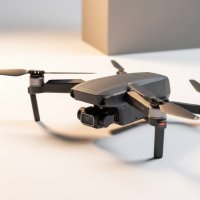
Have you ever dreamed of flying? Not just controlling a device from the ground, but seeing the world from a bird’s-eye view, soaring through the sky with complete freedom. With a drone with goggles, that dream becomes a breathtaking reality. This technology, known as First-Person View (FPV), puts you directly in the cockpit, offering an immersive experience that traditional drone flying simply can’t match. It’s the closest you can get to actually being the pilot.
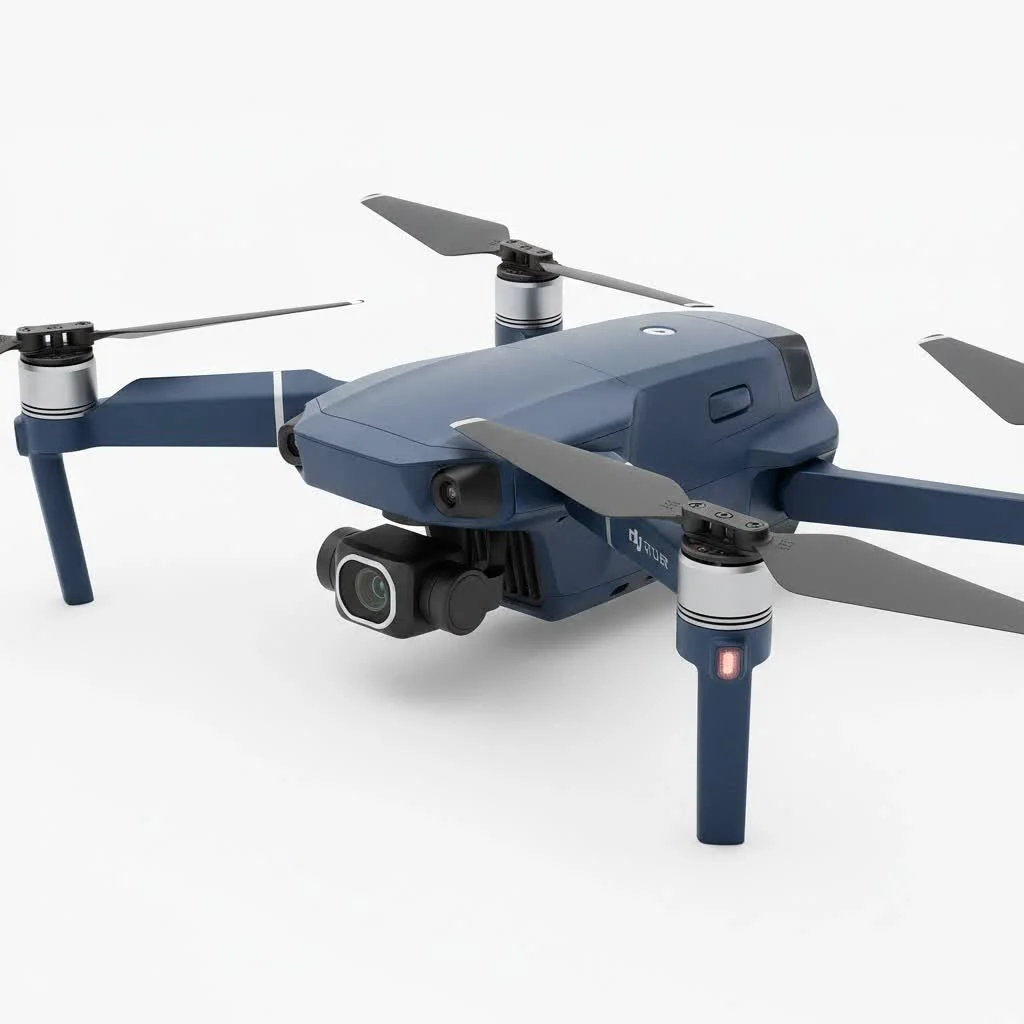
At RVSWS, we’ve spent over a decade helping enthusiasts navigate the skies. In this guide, we’ll break down everything you need to know about the exhilarating world of FPV drones, from how they work to choosing the perfect setup for your first flight.
What Exactly is an FPV Drone?
An FPV drone system consists of a drone equipped with a forward-facing camera that streams a live video feed directly to a pair of goggles worn by the pilot. This setup creates the illusion that you are sitting inside the drone, seeing exactly what it sees in real-time. This differs significantly from standard drones, which are typically flown by watching the drone’s movement from the ground or looking at a screen on the controller.
The technology behind it is a marvel of engineering:
- The Camera: A small, lightweight camera on the drone captures the video.
- The Video Transmitter (VTX): This component takes the signal from the camera and broadcasts it wirelessly.
- The Receiver (VRX): Built into your goggles, the receiver picks up the signal from the drone’s transmitter.
- The Goggles: Two small screens inside the goggles display the live feed, one for each eye, creating a seamless and immersive stereoscopic view.
This entire process happens with incredibly low latency, meaning the delay between the drone’s camera seeing something and you seeing it in your goggles is just milliseconds. This near-instantaneous feedback is crucial for the high-speed, precision flying that FPV is known for.
Why Fly a Drone with Goggles? The Core Benefits
Switching to an FPV setup is a game-changer. While standard drones are fantastic for stable aerial photography, a drone with goggles unlocks a new dimension of flight.
Unmatched Immersion
The primary draw of FPV is the feeling of flight itself. You’re not just an operator; you’re a pilot. The ability to bank through turns, dive down buildings, and skim over treetops provides a visceral thrill that is both addictive and incredibly rewarding.
Superior Precision and Control
|
Our Picks for the Best Drone in 2026
As an Amazon Associate I earn from qualifying purchases.
|
||
| Num | Product | Action |
|---|---|---|
| 1 | Drone with Camera - Drones for Adults, with 2 Batteries, Carrying Case, Propellers, 1080P HD Foldable Drone with Stable Hover, Trajectory Flight, Gravity Control, One Key Take Off/Land, 3D Flip |

|
| 2 | Drone with Camera for Adults, 2K HD FPV Drones with Upgrade Altitude Hold, One-Key Take Off/Landing, Speed Adjustment, Headless Mode, 2 Batteries, Toys Gifts for Teen Boys Girls, Beginner |
|
| 3 | DJI Neo Three-Battery Combo, Mini Drone with 4K UHD Camera for Adults, 135g Self Flying Drone that Follows You, Palm Takeoff, Subject Tracking, QuickShots, Stabilized Video (Controller-Free) |
|
| 4 | DJI Mini 3 (DJI RC), Lightweight 3x Mechanical Gimbal Drones with Camera for Adults 4K, 38-min Flight Time, up to 32800ft (10km) Video Transmission, Vertical Shooting, GPS Auto Return Integrated |
|
| 5 | LỖI |
|
| 6 | Drone with Camera 1080P HD FPV Foldable Drone for Adults and Beginners, RC Quadcopter with Gravity Control, One Key Take Off/Land, Optical Flow Positioning, 360° Flip, 3 Speed Mode, Waypoint Fly Grey |
|
| 7 | Drone with 1080P Camera for Beginners and Adults, Foldable Remote Control Quadcopter with Voice Control, Gestures Selfie, Altitude Hold, One Key Start, 3D Flips, 2 Batteries, Toy for Beginners |
|
| 8 | DJI Mini 5 Pro Fly More Combo with DJI RC 2, Drone with Camera, 1-Inch CMOS, 4K Drone for Beginners with Omnidirectional Obstacle Sensing, ActiveTrack 360°, 225° Gimbal Rotation, 3 Batteries |
|
| 9 | DJI Mini 3 Fly More Combo (DJI RC), Drones with Camera for Adults 4K, 3 Batteries for 114-min Flight Time, Vertical Shooting, 32800ft (10km) Video Transmission, Lightweight Mini Drone for Beginners |
|
| 10 | DJI Neo, Mini Drone with 4K UHD Camera for Adults, 135g Self Flying Drone that Follows You, Palm Takeoff, Subject Tracking, QuickShots, Stabilized Video, Built-In Propeller Guard (Controller-Free) |
|
By seeing from the drone’s perspective, you gain a far more intuitive sense of its position, speed, and orientation. This allows for incredibly precise maneuvers that are nearly impossible when flying by line-of-sight. It’s the reason FPV is the standard for professional drone racing and acrobatic freestyle flying, where pilots navigate complex courses and perform stunning aerial tricks.
Explore the World Differently
FPV allows you to explore locations from perspectives you never thought possible. Fly through a dense forest, navigate a narrow canyon, or explore an abandoned building—all from a safe distance. It opens up a new world of creative videography and pure exploration.
How to Choose Your First Drone with Goggles
Getting into FPV can seem daunting with all the options available. The key is to start with a kit that matches your skill level and budget.
Ready-to-Fly (RTF) vs. Custom Builds
- Ready-to-Fly (RTF) Kits: This is the best starting point for beginners. An RTF kit includes everything you need to get in the air: the drone, goggles, and controller, all pre-configured to work together. You just charge the batteries and you’re ready to fly.
- Bind-and-Fly (BNF) Drones: These kits come with a fully assembled drone but without a controller or goggles. This is a good option if you already own compatible gear or want to choose your own controller and goggles separately.
- DIY (Do-It-Yourself): For the true enthusiast, building a drone from individual components offers ultimate customization but requires technical skill in soldering and programming. We recommend saving this for after you have some flying experience.
Key Features to Consider
When comparing different models, pay close attention to these specifications:
- Transmission System (Analog vs. Digital): Digital systems, like those from DJI, offer crystal-clear HD video, making for a stunning visual experience. Analog is the traditional standard; while the image quality is lower (similar to an old CRT television), it has extremely low latency and is more affordable, making it the top choice for many racers.
- Goggle Resolution and Field of View (FOV): Higher resolution goggles provide a sharper, more detailed image. A wider FOV gives you better peripheral vision, enhancing the sense of immersion.
- Camera Quality: Look for a camera with good dynamic range to handle bright skies and dark shadows simultaneously.
- Flight Time: Most FPV drones have a flight time of 3-7 minutes due to their high power consumption. It’s standard practice to have multiple batteries on hand.
Expert Tip: “Your first few FPV flights will be a sensory overload,” notes Alex Carver, a professional FPV pilot with RVSWS. “Start in a wide-open field, away from people and obstacles. Spend time just hovering and making gentle turns. Your brain needs time to adapt to this new perspective. Don’t rush it.”
Understanding the Rules: Is Flying with Goggles Legal?
Flying a drone with goggles is legal in most places, including the United States, but it comes with a critical rule. Aviation authorities like the FAA require pilots to maintain a direct visual line of sight (VLOS) with their drone at all times.
Since you are “blind” to the outside world while wearing goggles, you must have a second person with you acting as a visual observer. This spotter’s job is to keep their eyes on the drone and alert you to any potential hazards, such as other aircraft, birds, or people approaching. Always check your local regulations before you fly.
Pre-Flight Checklist
A safe flight starts on the ground. Before every launch, run through this simple checklist:
- [ ] Check your gear: Ensure all batteries (drone, goggles, controller) are fully charged.
- [ ] Inspect propellers: Look for any nicks or damage and ensure they are securely fastened.
- [ ] Find a safe location: Choose an open area far from airports, crowds, and power lines.
- [ ] Confirm your spotter: Make sure your visual observer is present and understands their role.
- [ ] Check your video feed: Power on your drone and goggles to ensure you have a clear, strong video signal.
Frequently Asked Questions (FAQ)
What is the main difference between an FPV drone and a regular drone?
The primary difference is the flying perspective. An FPV drone is flown via a live video feed sent to goggles, offering an immersive first-person view. A regular drone, like a DJI Mavic, is typically flown by watching the drone from the ground and using a screen on the controller. FPV drones are also generally faster and more agile.
Can I use any brand of goggles with any drone?
Not always. Compatibility depends on the transmission system. Digital systems (like DJI’s) are proprietary, meaning DJI drones work only with DJI goggles. Analog systems are much more universal, allowing you to mix and match goggles and video transmitters from different brands.
How much does a good drone with goggles cost?
A good quality, all-in-one beginner RTF kit typically ranges from $250 to $500. High-end digital systems, like those from DJI, can cost upwards of $1,000 for the complete setup.
Do I need a license to fly an FPV drone?
In the United States, if you are flying purely for fun, you need to pass The Recreational UAS Safety Test (TRUST) and register your drone if it weighs over 250 grams. If you are flying for any commercial purpose, you will need a Part 107 certificate.
Your Journey into the Sky Awaits
Embracing the world of a drone with goggles is about more than just a hobby; it’s about unlocking a new sense of freedom and perspective. From the adrenaline rush of racing to the creative possibilities of freestyle videography, FPV flying offers an experience unlike any other. It challenges your skills, rewards your persistence, and lets you see the world in a way you’ve only dreamed of. So charge your batteries, find an open field, and get ready to fly.
Get our weekly buyer guide
Practical specs, not advice. Unsubscribe anytime.