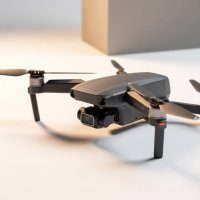
Welcome to the definitive guide on the quad drone. If you’ve ever looked up and seen a craft hovering with almost magical stability, chances are you were looking at one of these remarkable machines. As the main content creator for RVSWS and with over 15 years of hands-on experience in the field, I’ve seen quad drones evolve from niche hobbyist gadgets to indispensable tools across countless industries. They are the most common type of consumer and commercial drone, and for good reason. Their unique design offers an unparalleled blend of stability, agility, and simplicity, making them the perfect entry point into the world of unmanned aerial vehicles (UAVs).
How Does a Quad Drone Actually Work?
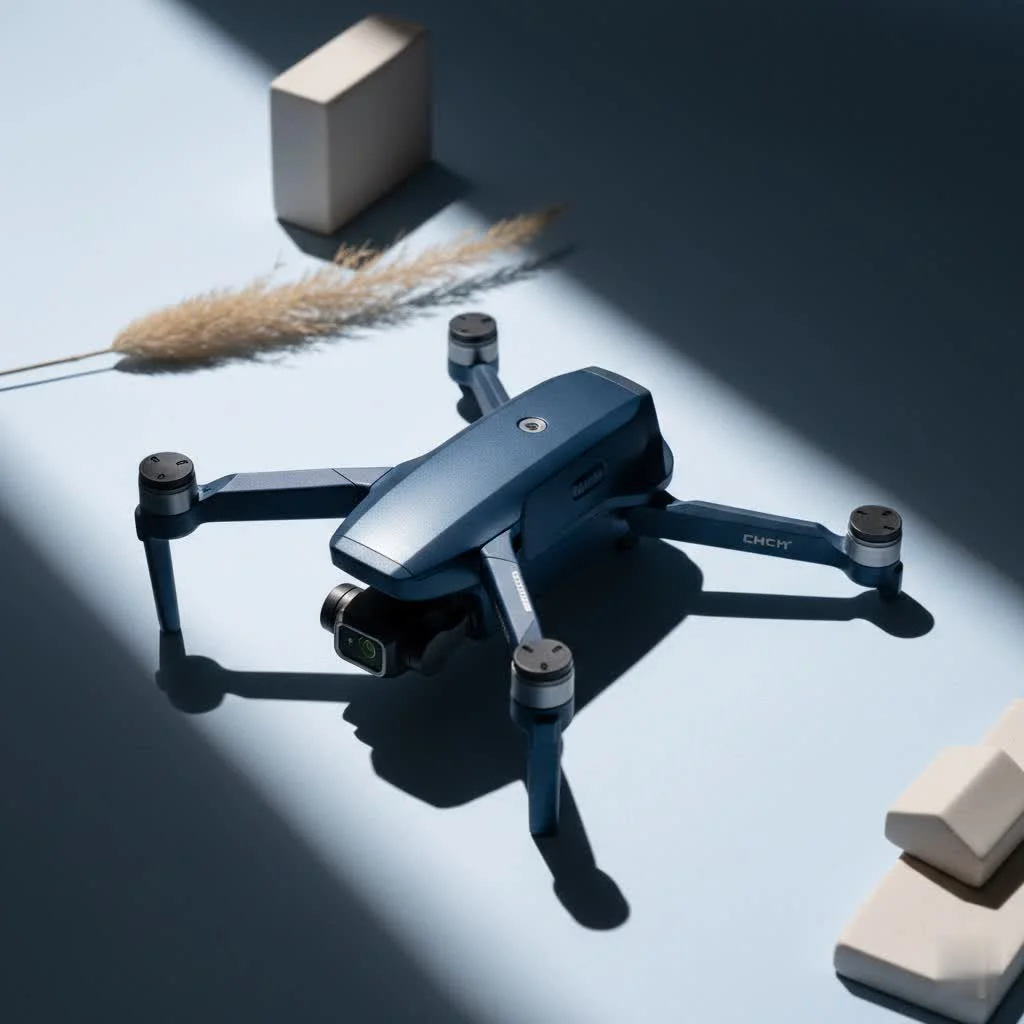
At its core, a quad drone, or quadcopter, is an aircraft lifted and propelled by four rotors. It’s a masterpiece of physics and engineering working in perfect harmony. But what’s happening under the hood?
The principle is surprisingly straightforward. A quad drone has two sets of propellers: two that spin clockwise and two that spin counter-clockwise. This opposing rotation is crucial because it cancels out the motor torque, preventing the drone’s body from spinning wildly out of control. To move, the drone’s flight controller—its electronic brain—subtly adjusts the speed of individual motors.
- To Ascend: All four motors increase speed equally.
- To Descend: All four motors decrease speed equally.
- To Move Forward: The rear motors spin faster, tilting the drone forward and propelling it ahead.
- To Move Sideways (Roll): The motors on one side spin faster than the other, causing the drone to bank and slide left or right.
This intricate dance is managed thousands of times per second by the flight controller, which takes input from the pilot’s remote control and onboard sensors like gyroscopes and accelerometers to maintain stability.
The Different Types of Quad Drones
The term “quad drone” covers a vast range of aircraft, each designed for a specific purpose. Understanding these categories is the first step in finding the right one for your needs.
Beginner & Toy Drones
These are the gateway into the drone world. They are typically small, durable, and inexpensive. While they lack the advanced features of their pricier cousins, they are perfect for learning the basic controls and orientation without a significant financial risk. They’re fantastic for indoor flying and getting a feel for the dynamics of a four-rotor aircraft.
Camera & Photography Drones
This is arguably the most popular category. These drones are built with one primary goal: to capture stunning aerial photos and videos. They are equipped with high-resolution cameras, often stabilized by a 3-axis gimbal that ensures buttery-smooth footage. Models from leading brands feature advanced functions like GPS-hold for stable hovering, automated flight paths, and object-tracking technology.
Expert Take: As a professional, I can’t overstate the impact of gimbal stabilization. It’s the technology that transformed quad drones from shaky video platforms into cinematic powerhouses. A good gimbal is just as important as a good camera.
FPV Racing Drones
|
Our Picks for the Best Drone in 2026
As an Amazon Associate I earn from qualifying purchases.
|
||
| Num | Product | Action |
|---|---|---|
| 1 | DJI Neo, Mini Drone with 4K UHD Camera for Adults, 135g Self Flying Drone that Follows You, Palm Takeoff, Subject Tracking, QuickShots, Stabilized Video, Built-In Propeller Guard (Controller-Free) |

|
| 2 | Drone with Camera 1080P HD FPV Foldable Drone for Adults and Beginners, RC Quadcopter with Gravity Control, One Key Take Off/Land, Optical Flow Positioning, 360° Flip, 3 Speed Mode, Waypoint Fly Grey |
|
| 3 | DJI Neo Three-Battery Combo, Mini Drone with 4K UHD Camera for Adults, 135g Self Flying Drone that Follows You, Palm Takeoff, Subject Tracking, QuickShots, Stabilized Video (Controller-Free) |
|
| 4 | Drone with Camera for Adults, 2K HD FPV Drones with Upgrade Altitude Hold, One-Key Take Off/Landing, Speed Adjustment, Headless Mode, 2 Batteries, Toys Gifts for Teen Boys Girls, Beginner |
|
| 5 | Drone with Camera - Drones for Adults, with 2 Batteries, Carrying Case, Propellers, 1080P HD Foldable Drone with Stable Hover, Trajectory Flight, Gravity Control, One Key Take Off/Land, 3D Flip |
|
| 6 | DJI Mini 3 (DJI RC), Lightweight 3x Mechanical Gimbal Drones with Camera for Adults 4K, 38-min Flight Time, up to 32800ft (10km) Video Transmission, Vertical Shooting, GPS Auto Return Integrated |
|
| 7 | Drone with 1080P Camera for Beginners and Adults, Foldable Remote Control Quadcopter with Voice Control, Gestures Selfie, Altitude Hold, One Key Start, 3D Flips, 2 Batteries, Toy for Beginners |
|
| 8 | DJI Mini 3 Fly More Combo (DJI RC), Drones with Camera for Adults 4K, 3 Batteries for 114-min Flight Time, Vertical Shooting, 32800ft (10km) Video Transmission, Lightweight Mini Drone for Beginners |
|
| 9 | LỖI |
|
| 10 | DJI Mini 5 Pro Fly More Combo with DJI RC 2, Drone with Camera, 1-Inch CMOS, 4K Drone for Beginners with Omnidirectional Obstacle Sensing, ActiveTrack 360°, 225° Gimbal Rotation, 3 Batteries |
|
Welcome to the high-octane world of First-Person View (FPV) racing. These quad drones are built for one thing: speed and agility. Pilots wear goggles that receive a live video feed directly from a camera on the front of the drone, giving them an immersive, in-the-cockpit experience. FPV drones are often custom-built, stripped down to the bare essentials to maximize performance and withstand the inevitable crashes.
Commercial & Industrial Drones
These are the workhorses of the sky. Commercial quad drones are rugged, reliable, and can be equipped with specialized payloads like thermal cameras, LiDAR sensors, or multi-spectral imagers. They perform critical tasks in various sectors:
- Agriculture: Monitoring crop health and optimizing irrigation.
- Construction: Surveying sites and inspecting structures.
- Public Safety: Assisting in search and rescue operations and providing situational awareness.
- Energy: Inspecting power lines, wind turbines, and pipelines.
How to Choose the Right Quad Drone for You
With so many options, selecting your first or next quad drone can feel overwhelming. Here’s a simple checklist to guide your decision-making process.
- Define Your Purpose: What do you want to do with your drone? Are you aiming for breathtaking landscape photography, high-speed racing, or simply learning to fly in your backyard? Your goal will immediately narrow the field.
- Set Your Budget: Prices range from under $50 to well over $5,000. Be realistic about what you can spend, but remember to factor in the cost of extra batteries, a good carrying case, and potential repairs.
- Assess Your Skill Level: Be honest about your experience. If you’re a complete novice, starting with a high-end camera drone is a recipe for an expensive crash. A durable beginner model will teach you the fundamentals safely.
- Consider Key Features: As you move up in price, you’ll find more features. GPS is vital for stable hovering and a “return-to-home” safety function. Camera quality (resolution, sensor size) is paramount for photographers. Battery life determines your flight time—most consumer drones fly for 20-30 minutes per battery.
Flying Your Quad Drone Safely and Legally
Being a responsible drone pilot is non-negotiable. The sky is a shared space, and safety should always be your top priority. In the United States, the Federal Aviation Administration (FAA) sets the rules.
- Fly for Fun: If you’re flying purely for recreation, you must pass The Recreational UAS Safety Test (TRUST) and follow the rules for recreational flyers.
- Registration: Drones weighing 250 grams (0.55 lbs) or more must be registered with the FAA.
- Fly at or below 400 feet: Stay within this altitude limit in uncontrolled airspace.
- Keep your drone within your visual line of sight: Never fly beyond the point where you can see it with your own eyes.
- Respect Airspace: Be aware of no-fly zones, especially around airports, military bases, and national parks. Use an app like B4UFLY to check for restrictions in your area.
Essential Maintenance for Your Quad Drone
A well-maintained quad drone is a reliable and safe drone. Regular checks will extend its lifespan and prevent accidents.
- Propellers: Inspect them before every flight for any nicks, cracks, or warping. A damaged propeller can fail mid-flight, leading to a crash. Replace them in pairs (clockwise and counter-clockwise).
- Batteries: Intelligent flight batteries need care. Store them at around 50% charge if you don’t plan to fly for a few days. Avoid flying in extreme temperatures, and never use a swollen or damaged battery.
- Motors: Keep them clean and free of debris like sand or grass. After a flight, feel them to ensure they aren’t overheating, which could indicate a problem.
- Firmware: Manufacturers regularly release updates to improve flight performance and safety. Always ensure your drone, remote controller, and batteries are running the latest firmware.
Frequently Asked Questions (FAQ)
What’s the difference between a drone and a quadcopter?
A quadcopter (or quad drone) is a specific type of drone that uses four rotors to generate lift. “Drone” is a broader term for any unmanned aerial vehicle (UAV), which can include fixed-wing planes, helicopters, and other multi-rotor configurations.
How high can a quad drone fly?
Legally, in the United States, you must fly at or below 400 feet above the ground in uncontrolled airspace to remain clear of manned aircraft. While technically many drones can fly much higher, it is illegal and extremely dangerous to do so.
Do I need a license to fly a quad drone?
For recreational flying, you don’t need a license, but you must pass the TRUST safety test. For any commercial work (e.g., selling photos, doing inspections), you must obtain a Part 107 certificate from the FAA.
How long do quad drone batteries last?
Flight time varies greatly by model. Most consumer camera drones have a flight time of 25-35 minutes per battery under ideal conditions. Smaller toy drones may only fly for 5-10 minutes, while some specialized commercial drones can fly for over 40 minutes.
What is the best quad drone for a beginner?
The best beginner quad drone is one that is affordable, durable, and easy to control. Look for models with features like altitude hold and protective propeller guards. Starting with a less expensive model allows you to learn without the fear of damaging a costly investment.
Your Journey into the Sky Awaits
The quad drone has fundamentally changed our perspective of the world, unlocking creative and practical possibilities we could only have dreamed of a decade ago. From capturing unforgettable family moments to revolutionizing entire industries, these four-rotor marvels are more than just flying gadgets; they are tools of discovery. Whether you become a professional aerial photographer, a competitive FPV pilot, or a weekend hobbyist, your adventure with a quad drone begins with understanding these fundamentals. Fly safe, fly responsibly, and enjoy the view from above.
Get our weekly buyer guide
Practical specs, not advice. Unsubscribe anytime.