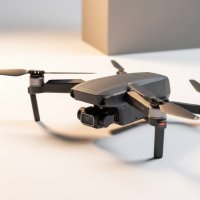
When most people hear the word “drone,” they picture a four-rotor quadcopter hovering in the air. But in the world of professional unmanned aerial vehicles (UAVs), there’s a more powerful and efficient player that rules the skies for long-distance missions: the drone airplane. For over 15 years, I’ve seen these fixed-wing drones evolve from niche military hardware into indispensable tools for industries ranging from agriculture to large-scale surveying. They are the marathon runners of the drone world, built for endurance and coverage that multi-rotor models can only dream of.
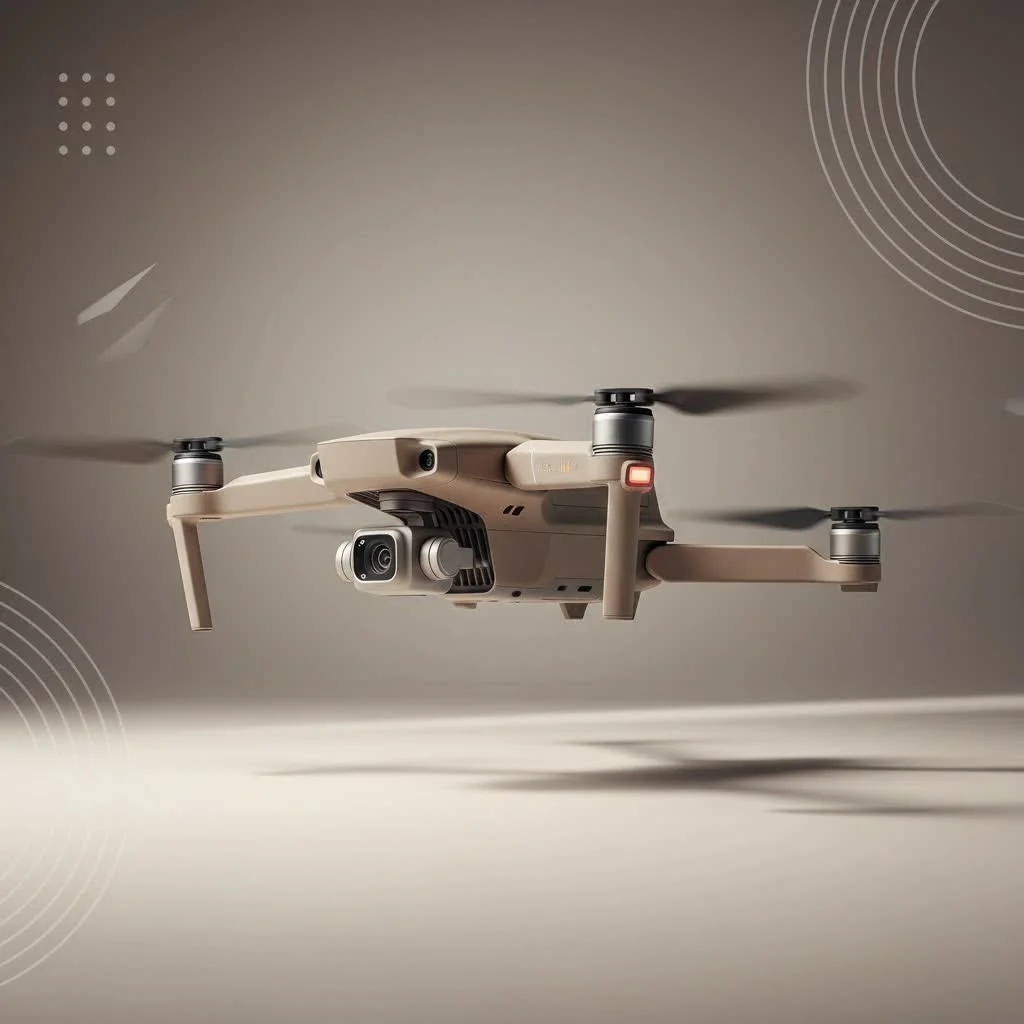
If you’re looking to map vast landscapes, monitor miles of infrastructure, or simply cover more ground in a single flight, understanding the drone airplane is essential. This guide will break down exactly what they are, how they outperform their multi-rotor cousins, and where they are making the biggest impact.
What Exactly Is a Drone Airplane?
A drone airplane, more formally known as a fixed-wing drone, is an unmanned aerial vehicle that looks and flies like a conventional airplane. Unlike a quadcopter, which relies on constantly spinning rotors to push air down and stay aloft, a fixed-wing drone uses its wings to generate aerodynamic lift as it moves forward through the air.
This fundamental difference in design is the secret to its incredible efficiency. Once it reaches cruising speed, it requires significantly less energy to stay airborne. Think of it like the difference between a helicopter and a commercial jet; the helicopter burns a massive amount of fuel to hover, while the jet can travel thousands of miles by using its wings to glide efficiently through the air. This principle allows a drone airplane to achieve vastly superior flight times and range.
Drone Airplane vs. Quadcopter: A Head-to-Head Comparison
Choosing the right drone for the job means understanding the core strengths and weaknesses of each platform. While quadcopters are masters of agility and close-quarters work, drone airplanes dominate in nearly every metric related to distance and endurance.
| Feature | Drone Airplane (Fixed-Wing) | Quadcopter (Multi-Rotor) |
|---|---|---|
| Flight Time | 1 to 6+ hours | 15 to 40 minutes |
| Range | 50-100+ km | 5-10 km |
| Speed | High (60-120 km/h) | Moderate (40-70 km/h) |
| Coverage Area | Very Large (hundreds of acres) | Small to Medium |
| Hovering | Not possible | Excellent |
| Takeoff/Landing | Runway or catapult needed | Vertical (small space) |
| Best Use Case | Large-scale mapping, long-range surveillance | Aerial photography, inspections, tight spaces |
As an industry veteran, I often advise clients with this simple analogy: “Use a quadcopter to inspect a single cell tower, but use a drone airplane to inspect the entire power line connecting two cities.”
Expert Insight from Dr. Alistair Finch, Aerospace Engineer:
“The aerodynamic efficiency of a fixed-wing platform is simply unmatched for large-scale data acquisition. The ability to cover vast territories in a single flight session doesn’t just save time; it fundamentally changes the economics of aerial surveying and monitoring, making widespread data collection more feasible than ever before.”
The Game Changer: VTOL Hybrid Drone Airplanes
For years, the biggest drawback of a drone airplane was its need for a runway or a bulky catapult system for launch and a clear, open area for a belly landing. This made them impractical for operations in rugged terrain, forests, or urban environments.
That all changed with the advent of Vertical Take-Off and Landing (VTOL) technology.
A VTOL drone airplane is a hybrid marvel that combines the best of both worlds. It is equipped with multiple rotors, just like a quadcopter, which allow it to take off and land vertically in a very small footprint. Once it reaches a safe altitude, the vertical rotors shut off, and a rear-facing propeller engages, transitioning the drone into efficient, wing-borne forward flight. When the mission is complete, it transitions back to multi-rotor mode to perform a precise vertical landing. This innovation has eliminated the primary operational barrier for fixed-wing drones, opening them up to a whole new range of applications.
Key Applications Where Drone Airplanes Excel
The unique capabilities of fixed-wing and VTOL drones make them the superior choice for any mission that values endurance, speed, and scale.
Large-Scale Surveying and Mapping
|
Our Picks for the Best Drone in 2026
As an Amazon Associate I earn from qualifying purchases.
|
||
| Num | Product | Action |
|---|---|---|
| 1 | DJI Mini 5 Pro Fly More Combo with DJI RC 2, Drone with Camera, 1-Inch CMOS, 4K Drone for Beginners with Omnidirectional Obstacle Sensing, ActiveTrack 360°, 225° Gimbal Rotation, 3 Batteries |

|
| 2 | LỖI |
|
| 3 | DJI Mini 3 (DJI RC), Lightweight 3x Mechanical Gimbal Drones with Camera for Adults 4K, 38-min Flight Time, up to 32800ft (10km) Video Transmission, Vertical Shooting, GPS Auto Return Integrated |
|
| 4 | DJI Neo Three-Battery Combo, Mini Drone with 4K UHD Camera for Adults, 135g Self Flying Drone that Follows You, Palm Takeoff, Subject Tracking, QuickShots, Stabilized Video (Controller-Free) |
|
| 5 | Drone with Camera 1080P HD FPV Foldable Drone for Adults and Beginners, RC Quadcopter with Gravity Control, One Key Take Off/Land, Optical Flow Positioning, 360° Flip, 3 Speed Mode, Waypoint Fly Grey |
|
| 6 | Drone with 1080P Camera for Beginners and Adults, Foldable Remote Control Quadcopter with Voice Control, Gestures Selfie, Altitude Hold, One Key Start, 3D Flips, 2 Batteries, Toy for Beginners |
|
| 7 | Drone with Camera for Adults, 2K HD FPV Drones with Upgrade Altitude Hold, One-Key Take Off/Landing, Speed Adjustment, Headless Mode, 2 Batteries, Toys Gifts for Teen Boys Girls, Beginner |
|
| 8 | DJI Mini 3 Fly More Combo (DJI RC), Drones with Camera for Adults 4K, 3 Batteries for 114-min Flight Time, Vertical Shooting, 32800ft (10km) Video Transmission, Lightweight Mini Drone for Beginners |
|
| 9 | DJI Neo, Mini Drone with 4K UHD Camera for Adults, 135g Self Flying Drone that Follows You, Palm Takeoff, Subject Tracking, QuickShots, Stabilized Video, Built-In Propeller Guard (Controller-Free) |
|
| 10 | Drone with Camera - Drones for Adults, with 2 Batteries, Carrying Case, Propellers, 1080P HD Foldable Drone with Stable Hover, Trajectory Flight, Gravity Control, One Key Take Off/Land, 3D Flip |
|
For creating high-resolution topographic maps, 3D models of construction sites, or surveying mines, a drone airplane is the ultimate tool. It can cover hundreds, or even thousands, of acres in a single flight, capturing consistent, high-quality data far more quickly and cost-effectively than ground crews or traditional manned aircraft.
Agriculture and Environmental Monitoring
Farmers use drone airplanes to monitor crop health over vast fields, using multispectral sensors to identify areas needing water, fertilizer, or pest control. Similarly, environmental scientists deploy them to monitor deforestation, track wildlife populations, survey coastlines for erosion, and even map the extent of wildfires in real-time.
Infrastructure Inspection
Long-range inspection is a core strength. A drone airplane can fly for miles along pipelines, power lines, railways, and highways, using high-resolution cameras and thermal sensors to detect faults or potential issues without endangering human inspectors or causing service disruptions.
Search, Rescue, and Disaster Response
When a natural disaster strikes, speed and coverage are critical. A drone airplane can be rapidly deployed to survey a large affected area, locate survivors with thermal imaging, and stream real-time data to emergency response teams to help them coordinate their efforts effectively.
What to Consider Before Investing in a Drone Airplane
While incredibly capable, a professional fixed-wing UAV is a significant investment and requires a different skill set than a typical quadcopter.
- Mission Requirements: Your primary need must be long-range or large-area coverage. If your work involves hovering or close-up inspections in confined spaces, a multi-rotor remains the better choice.
- Budget: These systems are considerably more expensive than quadcopters. The cost reflects their advanced technology, longer endurance, and higher payload capacity.
- Training and Licensing: Operating a drone airplane, especially for Beyond Visual Line of Sight (BVLOS) missions, often requires more advanced training and specific regulatory certifications.
- Payloads: Ensure the platform can carry the specific sensors you need, whether it’s a high-resolution photogrammetry camera, a LiDAR unit, or a multispectral sensor.
Pre-Flight Checklist for Drone Airplanes
Safety and success start on the ground. Before every flight, a thorough check is non-negotiable.
- [ ] Airframe Inspection: Check wings, fuselage, and control surfaces for any signs of damage.
- [ ] Power Systems: Ensure all batteries (flight and payload) are fully charged and securely connected.
- [ ] Communications Link: Verify a strong connection between the ground control station and the aircraft.
- [ ] GPS Lock: Confirm the drone has acquired a strong, stable GPS signal.
- [ ] Flight Plan Upload: Double-check that the correct mission plan is loaded into the autopilot.
- [ ] Weather Conditions: Assess wind speed, precipitation, and visibility to ensure they are within safe operating limits.
- [ ] Launch & Landing Zone: Secure the area, ensuring it is clear of obstacles and unauthorized personnel.
Frequently Asked Questions (FAQ)
How far can a drone airplane fly?
Professional long-range models can fly well over 100 kilometers (60+ miles) from their launch point, though regulations often limit operations to shorter distances unless special BVLOS waivers are obtained.
Can a drone airplane hover in place?
A traditional fixed-wing drone cannot hover; it must maintain forward motion to stay in the air. However, a hybrid VTOL drone can hover using its vertical lift rotors, offering the best of both designs.
Are drone airplanes harder to fly than quadcopters?
Manually flying a drone airplane requires more skill, similar to flying a traditional remote-controlled plane. However, most professional missions are flown autonomously using pre-programmed flight plans, where the onboard computer handles all aspects of navigation.
What happens if the engine or motor fails on a drone airplane?
Because of their wings, fixed-wing drones are excellent gliders. In the event of a power failure, many are programmed to automatically glide down to a designated landing area or deploy a parachute for a safe recovery.
Do you need a runway for all drone airplanes?
No. While some large models still require a short runway, many are launched via a catapult system or are designed for hand-launching. The most versatile models are VTOL drones, which need no runway at all.
The Future is in Long-Endurance Flight
The drone airplane represents a massive leap forward in unmanned aerial capability. As battery technology improves and autonomous systems become even more intelligent, their flight times and capabilities will only continue to expand. For professionals who need to see further, cover more ground, and gather data on a massive scale, the fixed-wing drone isn’t just an option—it’s the future. By understanding its strengths, you can unlock a new level of efficiency and insight for your projects.
Get our weekly buyer guide
Practical specs, not advice. Unsubscribe anytime.