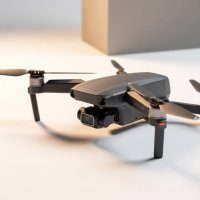
Getting started with a remote control drone is an exhilarating experience that opens up a new world of possibilities, from breathtaking aerial photography to the sheer joy of flight. For over 15 years, I’ve seen these incredible machines evolve from niche gadgets to accessible tools for creators, hobbyists, and professionals alike. Here at RVSWS, our goal is to demystify the technology and give you the confidence to take to the skies safely. This guide is your first step, a comprehensive walkthrough of everything you need to know about choosing, flying, and maintaining your first remote control drone. Let’s get you airborne.
What Exactly is a Remote Control Drone?
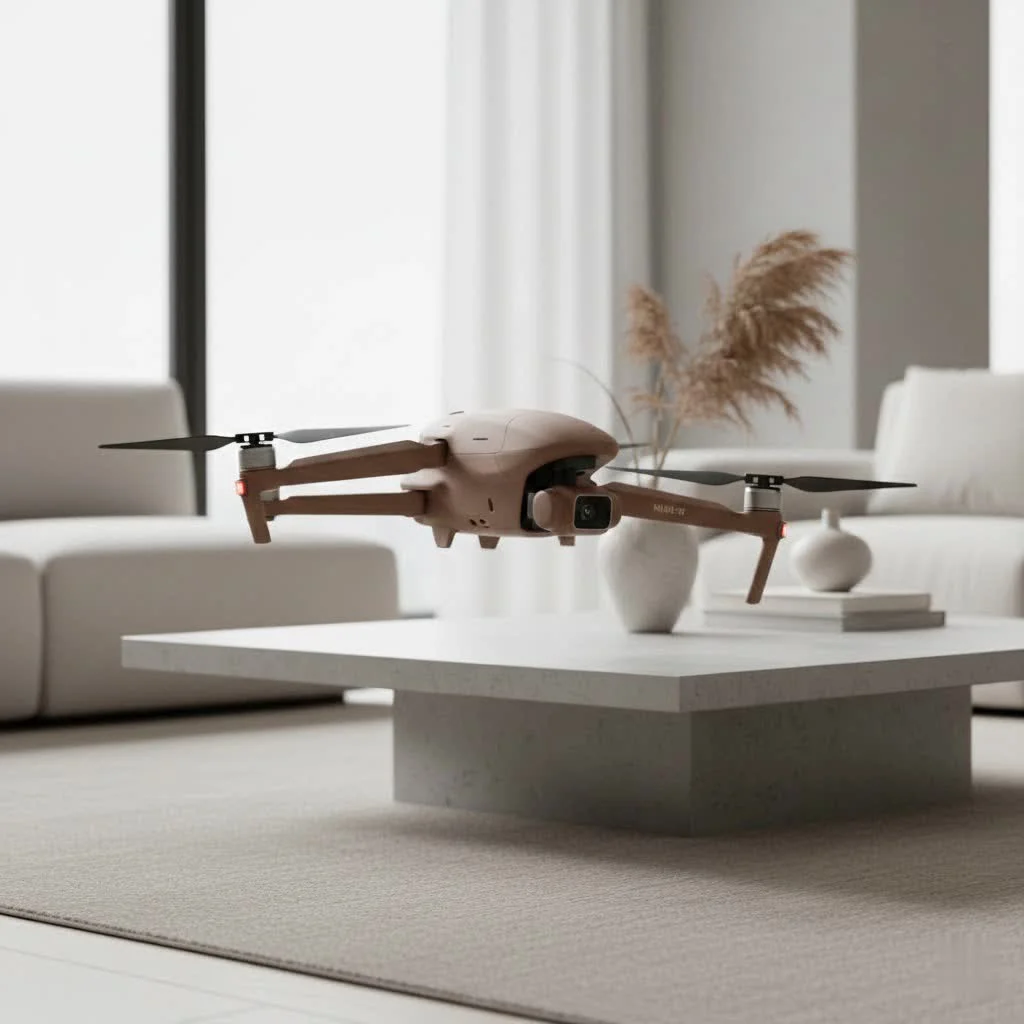
At its core, a remote control drone, also known as a UAV (Unmanned Aerial Vehicle), is an aircraft without a human pilot on board. Its flight is controlled by an operator on the ground using a handheld transmitter. While drones come in various shapes and sizes, the most common type for consumers is the quadcopter, which uses four propellers to generate lift and provide remarkable stability and maneuverability. These devices are equipped with a complex array of sensors, including gyroscopes and accelerometers, all managed by a central flight controller that interprets your commands and keeps the drone steady in the air. For expert consumer reviews on this site.
How Do Remote Control Drones Work? The Tech Explained
Understanding the basic principles of how your drone communicates and flies is crucial for becoming a skilled pilot. The magic happens through a seamless connection between your controller and the drone itself.
The Transmitter (Your Controller)
The device you hold in your hands is the transmitter. It converts your physical stick movements into a radio signal. When you push the throttle stick up, you’re telling the transmitter to send a signal that says, “increase power to the motors.” When you move the directional stick, you’re sending commands to tilt, turn, or move forward and backward. Modern controllers often include screens or mounts for smartphones, providing a live video feed from the drone’s camera, a feature known as FPV (First-Person View).
The Receiver (On the Drone)
A small receiver unit inside the remote control drone is constantly listening for signals from your transmitter. When it receives a command, it passes that information to the flight controller—the drone’s brain. The flight controller then adjusts the speed of each of the four motors individually to execute the maneuver you requested. This constant, high-speed communication is what allows for precise and responsive flight.
Frequencies and Range
|
Our Picks for the Best Drone in 2026
As an Amazon Associate I earn from qualifying purchases.
|
||
| Num | Product | Action |
|---|---|---|
| 1 | Drone with Camera 1080P HD FPV Foldable Drone for Adults and Beginners, RC Quadcopter with Gravity Control, One Key Take Off/Land, Optical Flow Positioning, 360° Flip, 3 Speed Mode, Waypoint Fly Grey |

|
| 2 | Drone with Camera for Adults, 2K HD FPV Drones with Upgrade Altitude Hold, One-Key Take Off/Landing, Speed Adjustment, Headless Mode, 2 Batteries, Toys Gifts for Teen Boys Girls, Beginner |
|
| 3 | DJI Mini 3 Fly More Combo (DJI RC), Drones with Camera for Adults 4K, 3 Batteries for 114-min Flight Time, Vertical Shooting, 32800ft (10km) Video Transmission, Lightweight Mini Drone for Beginners |
|
| 4 | Drone with 1080P Camera for Beginners and Adults, Foldable Remote Control Quadcopter with Voice Control, Gestures Selfie, Altitude Hold, One Key Start, 3D Flips, 2 Batteries, Toy for Beginners |
|
| 5 | DJI Mini 3 (DJI RC), Lightweight 3x Mechanical Gimbal Drones with Camera for Adults 4K, 38-min Flight Time, up to 32800ft (10km) Video Transmission, Vertical Shooting, GPS Auto Return Integrated |
|
| 6 | DJI Mini 5 Pro Fly More Combo with DJI RC 2, Drone with Camera, 1-Inch CMOS, 4K Drone for Beginners with Omnidirectional Obstacle Sensing, ActiveTrack 360°, 225° Gimbal Rotation, 3 Batteries |
|
| 7 | Drone with Camera - Drones for Adults, with 2 Batteries, Carrying Case, Propellers, 1080P HD Foldable Drone with Stable Hover, Trajectory Flight, Gravity Control, One Key Take Off/Land, 3D Flip |
|
| 8 | DJI Neo, Mini Drone with 4K UHD Camera for Adults, 135g Self Flying Drone that Follows You, Palm Takeoff, Subject Tracking, QuickShots, Stabilized Video, Built-In Propeller Guard (Controller-Free) |
|
| 9 | LỖI |
|
| 10 | DJI Neo Three-Battery Combo, Mini Drone with 4K UHD Camera for Adults, 135g Self Flying Drone that Follows You, Palm Takeoff, Subject Tracking, QuickShots, Stabilized Video (Controller-Free) |
|
Most consumer drones operate on 2.4 GHz or 5.8 GHz radio frequencies, similar to Wi-Fi routers. These frequencies determine the communication range between the controller and the drone. Entry-level models might have a range of a few hundred feet, while more advanced drones can maintain a stable connection for several miles. It’s vital to always fly within your drone’s specified range to avoid losing control.
“The reliability of the radio link is the single most important safety feature of any remote control drone. A strong, clear signal is the invisible tether that ensures you are always in command.” – Alex Carter, Lead Aerospace Engineer at RVSWS.
Choosing Your First Remote Control Drone: A Buyer’s Guide
With countless options on the market, selecting the right drone can feel overwhelming. The best choice depends entirely on your goals and budget.
For the Beginner Hobbyist
If you’re just looking to experience the fun of flying, you don’t need to spend a fortune.
- Key Features: Look for a durable frame, propeller guards, and simple controls. Features like altitude hold (which keeps the drone hovering at a set height) and one-key takeoff/landing are incredibly helpful for new pilots.
- Price Range: Typically $50 – $200.
- What to Expect: These drones are lightweight and perfect for learning the basics of flight control in a safe area like a backyard or large indoor space. Camera quality will be basic, but the focus here is on the flying experience.
For the Aspiring Photographer
If your goal is to capture stunning aerial photos and videos, the camera system is your top priority.
- Key Features: A camera with at least a 1-inch sensor, 4K video capability, and a 3-axis mechanical gimbal is essential. The gimbal is a stabilizer that ensures your footage is smooth and cinematic, even in windy conditions. GPS is also non-negotiable, enabling features like stable hovering and an automatic Return-to-Home (RTH) function.
- Price Range: Typically $400 – $1,500.
- What to Expect: Drones in this category offer a fantastic balance of performance, image quality, and intelligent flight modes like subject tracking and pre-programmed flight paths.
For the Adrenaline Junkie (FPV Drones)
FPV flying is a completely different discipline. It’s a high-speed, immersive experience where you see what the drone sees in real-time through a pair of goggles.
- Key Features: High speed, extreme maneuverability, and a durable carbon fiber frame are hallmarks of FPV drones. They are typically flown in “acro” (acrobatic) mode, which disables self-leveling for full manual control.
- Price Range: Can range from $250 for a ready-to-fly kit to thousands for custom builds.
- What to Expect: A steep learning curve, but one of the most rewarding and thrilling experiences in the hobby. It’s highly recommended to practice on a simulator before your first real flight.
Navigating the Rules: Flying Your Remote Control Drone Legally
Operating a remote control drone comes with responsibilities. In the United States, the Federal Aviation Administration (FAA) sets the rules for drone pilots. Understanding these regulations is not optional; it’s essential for safe and legal operation.
- Registration: If your drone weighs 250 grams (0.55 lbs) or more, you must register it with the FAA.
- The TRUST Test: All recreational flyers must pass The Recreational UAS Safety Test (TRUST). It’s a free, online test that covers basic safety knowledge.
- Fly Below 400 Feet: You must keep your drone at or below 400 feet above ground level.
- Maintain Visual Line of Sight: You must be able to see your drone with your own eyes at all times.
- Respect Airspace: Never fly near airports, stadiums, or over large crowds of people. Use apps like B4UFLY to check for airspace restrictions in your area.
- No Flying Over People: Avoid flying directly over people who are not part of your flight operation.
Always check the local laws and regulations for your specific area, as rules can vary by city and state.
Pre-Flight Checklist: Your Key to Safe Flying
A successful flight begins before the drone ever leaves the ground. Performing a quick pre-flight check every single time will help prevent accidents.
Pre-Flight Checklist
- [ ] Check Weather Conditions: Avoid flying in high winds or rain.
- [ ] Inspect Your Drone: Look for any damage to the propellers, frame, or camera.
- [ ] Charge Your Batteries: Ensure the drone battery and controller battery are fully charged.
- [ ] Format Your SD Card: Make sure you have space for your photos and videos.
- [ ] Secure Propellers: Confirm the propellers are attached correctly and are secure.
- [ ] Calibrate Compass (if prompted): Calibrate the drone’s compass away from metal objects.
- [ ] Confirm GPS Lock: Wait for the drone to acquire a strong GPS signal before taking off.
- [ ] Clear Takeoff Area: Ensure the area is free of people, pets, and obstacles.
Frequently Asked Questions (FAQ)
What is the average flight time for a remote control drone?
Most consumer drones have a flight time of between 20 to 35 minutes per battery. This can be affected by factors like wind, temperature, and how aggressively you fly. It’s always a good idea to have multiple batteries on hand.
Do I need a license to fly a drone?
For purely recreational flying in the U.S., you do not need a pilot’s license, but you must pass the TRUST test. If you plan to use your drone for any commercial purpose (e.g., selling photos, real estate videography), you must obtain a Part 107 Remote Pilot Certificate from the FAA.
How far can a remote control drone fly?
The range varies significantly by model. Beginner drones may only have a range of 100-300 feet, while high-end models can fly 5-7 miles (or more) away from the controller. However, you must legally keep the drone within your visual line of sight at all times.
Are remote control drones hard to fly?
Modern drones with GPS and advanced stabilization are surprisingly easy to fly. They can hover in place with no input from the pilot. The basic controls can be learned in just a few minutes, although mastering smooth, cinematic movements takes practice.
What happens if the drone battery gets low during flight?
Modern drones have a built-in safety feature that automatically initiates a “Return to Home” (RTH) sequence when the battery reaches a critically low level. The drone will automatically fly back to its recorded takeoff point.
Your Journey Into the Sky Begins Now
The world of the remote control drone is an incredible intersection of technology, art, and pure fun. By starting with a solid understanding of the technology, choosing the right equipment for your needs, and committing to flying safely and legally, you are setting yourself up for success. The sky is no longer the limit—it’s your new playground. Now, go out there, be safe, and capture something amazing.
Get our weekly buyer guide
Practical specs, not advice. Unsubscribe anytime.