The Zipline drone is an autonomous aircraft system designed by the company Zipline for rapid, last-mile delivery of critical supplies and consumer goods. These sophisticated, electric drones operate on multiple continents, delivering items like medical products, groceries, and restaurant meals with unparalleled speed and precision, often completing a 10-mile delivery in approximately 10 minutes.
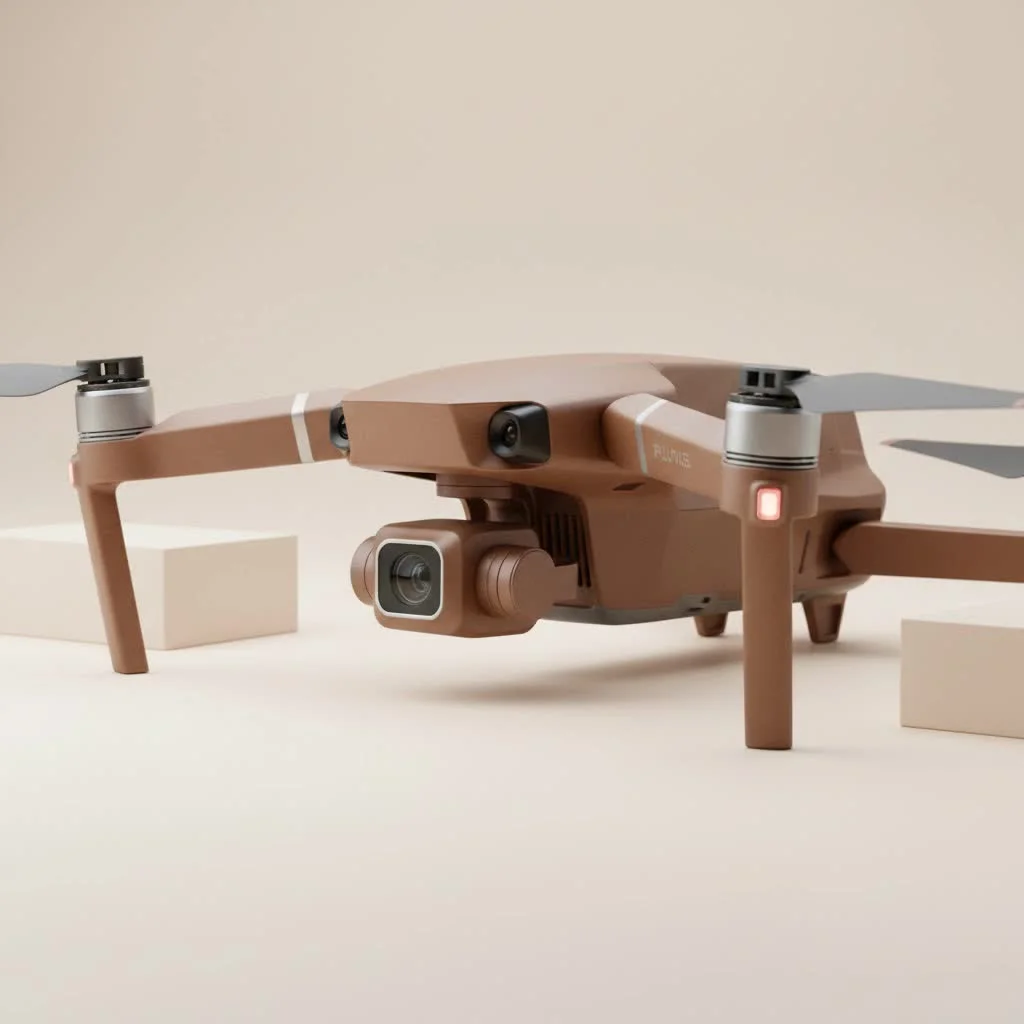
At its core, a Zipline drone is a purpose-built, electric, autonomous aircraft designed for a specific logistics network. The company operates two distinct systems, known as platforms, each tailored for different environments. The first platform uses a fixed-wing drone launched from a catapult to cover long distances, dropping packages via parachute. Their newer, second-generation platform is engineered for urban and suburban environments, capable of hovering high above a residence and quietly lowering a package to a customer’s doorstep with pinpoint accuracy. This dual-platform approach allows Zipline to serve both remote, hard-to-reach areas and dense residential neighborhoods effectively. For browse all consumer articles on this site.
How Do Zipline Drones Actually Work?
Understanding the operational flow of a Zipline drone reveals a highly automated and meticulously designed system built for safety and efficiency. The process is far more complex than simply flying from point A to B; it’s an integrated logistics network.
The Launch System: Instant Acceleration
For its long-range delivery drones (Platform 1), Zipline employs an electric catapult launcher. This powerful system accelerates the fixed-wing drone from 0 to over 70 mph in less than a second, flinging it into the sky much like an aircraft from a naval carrier. This method is incredibly efficient as it eliminates the need for energy-intensive vertical take-off for long-haul flights, preserving the drone’s battery for maximizing its travel range.
Autonomous Navigation and Flight
Once airborne, the Zipline drone is fully autonomous. Guided by advanced GPS and a suite of onboard sensors, it navigates a pre-determined flight path. The aircraft’s systems run hundreds of safety checks per second and feature multiple redundancies for all critical components, including motors, navigation systems, and power supplies. This ensures an exceptionally high degree of safety and reliability, allowing Zipline’s fleet to fly millions of miles, often beyond the visual line of sight of any operator.
The Precision Delivery System
Zipline has pioneered two distinct delivery methods:
- Parachute Drop (Platform 1): Used primarily for medical deliveries in regions like Rwanda and Ghana, this method involves the drone descending to a low altitude and dropping a small package attached to a parachute. The package gently floats down to a designated drop zone, such as a clinic’s courtyard.
- Tethered Droid (Platform 2): For precise home delivery, the newer platform uses a remarkable system. The main aircraft hovers at a safe and quiet altitude of over 300 feet. It then lowers a small, tethered “delivery droid.” This droid is equipped with its own thrusters and sensors, allowing it to navigate around obstacles like trees or power lines and gently place the package on a small target area, such as a front step or a patio table, before retracting back to the parent drone.
Key Features and Specifications of a Zipline Drone
While Zipline operates different aircraft for different needs, their Platform 2 (P2) drone, designed for home delivery, showcases some of the most advanced technology in the industry.
| Feature | Specification |
|---|---|
| Delivery Range | Up to 10 miles (16 km) from a docking station |
| Payload Capacity | Up to 8 lbs (3.6 kg) |
| Top Speed | Approximately 70 mph (110 km/h) |
| Delivery Time | Capable of completing a 10-mile delivery in ~10 minutes |
| Operational Altitude | Hovers at 300+ feet during delivery |
| Navigation | Fully autonomous with advanced perception suite |
| Weather Tolerance | Designed to operate in various conditions, including wind and rain |
“Zipline’s approach isn’t just about the drone itself, but the entire logistics ecosystem,” states Dr. Alistair Finch, a leading expert in aerospace logistics. “Their integration of autonomous flight, redundant safety systems, and innovative delivery mechanics represents a significant leap toward making scalable, commercial drone delivery a reality.”
What Are Zipline Drones Used For? Real-World Applications
The versatility of the Zipline drone platform has enabled its use across a surprisingly diverse range of sectors, proving its value far beyond a niche technology.
Medical and Healthcare Deliveries
|
Our Picks for the Best Drone in 2026
As an Amazon Associate I earn from qualifying purchases.
|
||
| Num | Product | Action |
|---|---|---|
| 1 | DJI Mini 3 (DJI RC), Lightweight 3x Mechanical Gimbal Drones with Camera for Adults 4K, 38-min Flight Time, up to 32800ft (10km) Video Transmission, Vertical Shooting, GPS Auto Return Integrated |

|
| 2 | Drone with Camera for Adults, 2K HD FPV Drones with Upgrade Altitude Hold, One-Key Take Off/Landing, Speed Adjustment, Headless Mode, 2 Batteries, Toys Gifts for Teen Boys Girls, Beginner |
|
| 3 | Drone with Camera - Drones for Adults, with 2 Batteries, Carrying Case, Propellers, 1080P HD Foldable Drone with Stable Hover, Trajectory Flight, Gravity Control, One Key Take Off/Land, 3D Flip |
|
| 4 | Drone with Camera 1080P HD FPV Foldable Drone for Adults and Beginners, RC Quadcopter with Gravity Control, One Key Take Off/Land, Optical Flow Positioning, 360° Flip, 3 Speed Mode, Waypoint Fly Grey |
|
| 5 | Drone with 1080P Camera for Beginners and Adults, Foldable Remote Control Quadcopter with Voice Control, Gestures Selfie, Altitude Hold, One Key Start, 3D Flips, 2 Batteries, Toy for Beginners |
|
| 6 | LỖI |
|
| 7 | DJI Neo Three-Battery Combo, Mini Drone with 4K UHD Camera for Adults, 135g Self Flying Drone that Follows You, Palm Takeoff, Subject Tracking, QuickShots, Stabilized Video (Controller-Free) |
|
| 8 | DJI Mini 5 Pro Fly More Combo with DJI RC 2, Drone with Camera, 1-Inch CMOS, 4K Drone for Beginners with Omnidirectional Obstacle Sensing, ActiveTrack 360°, 225° Gimbal Rotation, 3 Batteries |
|
| 9 | DJI Mini 3 Fly More Combo (DJI RC), Drones with Camera for Adults 4K, 3 Batteries for 114-min Flight Time, Vertical Shooting, 32800ft (10km) Video Transmission, Lightweight Mini Drone for Beginners |
|
| 10 | DJI Neo, Mini Drone with 4K UHD Camera for Adults, 135g Self Flying Drone that Follows You, Palm Takeoff, Subject Tracking, QuickShots, Stabilized Video, Built-In Propeller Guard (Controller-Free) |
|
This is where Zipline began and continues to make its most profound impact. In countries like Rwanda and Ghana, Zipline drones deliver blood, vaccines, medicine, and other critical medical supplies to remote hospitals and clinics. This has dramatically reduced delivery times from hours or days to mere minutes, saving countless lives by providing on-demand access to emergency supplies.
Commercial and E-commerce Logistics
Zipline has partnered with major retailers, most notably Walmart, to offer on-demand home delivery of groceries, over-the-counter pharmacy items, and other consumer goods. Customers can place an order and have it delivered to their backyard within minutes. This service is already active in several U.S. cities, demonstrating a viable and scalable model for the future of e-commerce.
Food and Restaurant Delivery
The speed and efficiency of the P2 delivery system make it ideal for food delivery. Restaurants can partner with Zipline to deliver meals faster and fresher than possible with traditional road-based delivery services. Companies like Sweetgreen have already adopted the technology to ensure customers receive their orders quickly, without the delays of traffic.
Are Zipline Drones the Future of Delivery?
The evidence strongly suggests that Zipline’s model is a leading contender for the future of logistics. The benefits are clear: deliveries that are faster, more convenient, and significantly more environmentally friendly due to the use of electric aircraft. The ability to bypass traffic and deliver directly to a precise location offers an unmatched level of service.
However, challenges remain, primarily in the form of regulatory hurdles and public perception. Navigating complex airspace regulations requires close collaboration with aviation authorities like the FAA. Zipline has been highly successful in this area, achieving key certifications that allow it to operate beyond the visual line of sight. Ensuring the system is safe, quiet, and unintrusive is crucial for gaining public trust as operations expand into more communities.
Frequently Asked Questions (FAQ)
What can a Zipline drone carry?
A Zipline Platform 2 drone, used for home deliveries, can carry a payload of up to 8 pounds (3.6 kg). This is sufficient for a wide range of products, including meals for a family, groceries, or multiple medical items.
How fast is a Zipline drone?
Zipline drones can reach speeds of up to 70 mph during transit. This high speed, combined with the ability to fly in a direct line over traffic and other obstacles, allows for extremely fast delivery times, often under 15 minutes.
Where is Zipline currently operating?
Zipline operates on multiple continents, including North America, Africa, and Asia. The company runs national-scale medical delivery networks in countries like Rwanda and Ghana and has launched commercial and food delivery services in several U.S. states, including Arkansas, Utah, and Texas.
Are Zipline drones noisy?
Zipline’s Platform 2 drone was specifically designed to be quiet. The main aircraft hovers at over 300 feet, minimizing its sound footprint. The small, tethered delivery droid descends quietly, making the entire delivery experience less intrusive than a typical car or motorcycle.
How does Zipline ensure safety?
Safety is paramount to Zipline’s operations. Each drone is equipped with fully redundant systems for all flight-critical components. The aircraft performs hundreds of self-checks per second and uses an advanced sensor suite to detect and avoid obstacles. Zipline has flown millions of autonomous miles with an impeccable safety record.
Conclusion
The Zipline drone is more than just an innovative piece of hardware; it is the centerpiece of a transformative logistics system. By combining modern autonomous flight, robust safety features, and a versatile delivery platform, Zipline has moved drone delivery from a futuristic fantasy to a practical, everyday reality. Whether it’s delivering life-saving blood to a remote clinic or a fresh meal to a suburban home, this technology is proving its ability to create a more efficient, equitable, and sustainable world. As regulatory pathways clear and public acceptance grows, you can expect to see these remarkable aircraft becoming an increasingly common sight in the skies above.
Frequently Asked Questions
What can a Zipline drone carry?
A Zipline Platform 2 drone, designed for home deliveries, can carry a payload of up to 8 pounds (3.6 kg). This capacity is sufficient for a wide range of products, including family meals, groceries, or multiple medical items.
How fast can Zipline drones travel during delivery?
Zipline drones can reach speeds of up to 70 mph (110 km/h) during transit. This high speed, combined with their ability to fly directly over traffic and obstacles, enables extremely fast delivery times, often under 15 minutes for a 10-mile distance.
Where does Zipline currently operate its drone delivery services?
Zipline operates on multiple continents, including North America, Africa, and Asia. The company manages national-scale medical delivery networks in countries like Rwanda and Ghana, and has launched commercial and food delivery services in several U.S. states, including Arkansas, Utah, and Texas.
Are Zipline drones designed to be quiet during operation?
Yes, Zipline's Platform 2 drone was specifically engineered for quiet operation. The main aircraft hovers at over 300 feet, significantly minimizing its sound footprint, while the small, tethered delivery droid descends quietly, making the overall delivery experience less intrusive than traditional vehicle deliveries.
How does Zipline ensure the safety of its drone delivery operations?
Safety is a top priority for Zipline. Each drone is equipped with fully redundant systems for all flight-critical components and performs hundreds of self-checks per second. The aircraft also uses an advanced sensor suite to detect and avoid obstacles, contributing to Zipline's impeccable safety record over millions of autonomous miles flown.
Get our weekly buyer guide
Practical specs, not advice. Unsubscribe anytime.
I live in a pretty dense suburban area, so the mention of their second-generation platform for urban environments really caught my eye. The idea of a drone hovering quietly above my house to drop off groceries or a restaurant meal sounds futuristic but also super practical. I’m hopeful this becomes more widespread soon, it would definitely make life easier.
What really stands out to me is the precision and speed of these electric drones. A 10-mile delivery in about 10 minutes is seriously impressive. It shows how much thought went into designing these autonomous aircraft for a specific logistics network. This is definitely the future of last-mile delivery.
I’ve been following Zipline for a while, and it’s incredible to see how far they’ve come. The idea of getting medical supplies delivered by drone in 10 minutes is a game-changer, especially in remote areas. It’s not just about convenience; it’s about saving lives. Really impressed with their fixed-wing system for long-distance deliveries.
The Zipline drone concept is amazing for critical supplies, no doubt. My only hang-up is the parachute drop for the fixed-wing system. While efficient for speed, I wonder about package integrity for more fragile items. It’s a minor concern, but something to consider if they expand beyond medical products to more general consumer goods.