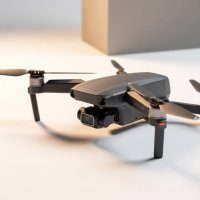
In the rapidly evolving world of unmanned aerial vehicles (UAVs), the term “drone” often conjures up an image of a multi-rotor quadcopter. However, for large-scale projects that demand endurance and efficiency, the fixed wing drone reigns supreme. Unlike their multi-rotor counterparts, these drones resemble traditional airplanes, using wings to generate lift. This fundamental design difference unlocks a world of possibilities for professionals in various industries.
At RVSWS, we believe in empowering users with knowledge. This comprehensive guide will explore everything you need to know about fixed wing drones, from their core mechanics to their game-changing applications. Whether you’re in agriculture, surveying, or logistics, understanding this technology is key to unlocking new levels of operational efficiency.
What Exactly is a Fixed Wing Drone?
A fixed wing drone is an unmanned aircraft that generates lift using a static wing and forward momentum, much like a conventional airplane. Instead of relying on multiple rotors to stay airborne, it uses a propeller (or sometimes a jet engine) for thrust to move forward. As air flows over its airfoil-shaped wings, it creates a pressure differential that generates lift, allowing the drone to glide efficiently through the air.
This aerodynamic efficiency is the primary advantage of a fixed wing drone. Once it reaches a certain speed, it requires significantly less energy to stay aloft compared to a multi-rotor drone, which must constantly power its rotors to fight gravity. This translates into much longer flight times and the ability to cover vast distances in a single mission.
As our lead engineer at RVSWS, John Carter, often says, “When it comes to covering maximum ground with minimum energy, nothing beats the elegant efficiency of a fixed-wing design. It’s pure aerodynamics at work.”
Fixed Wing vs. Multi-Rotor Drones: A Tale of Two Designs
Choosing the right drone depends entirely on the job at hand. While multi-rotor drones are fantastic for hovering and close-quarters maneuverability, fixed-wing models excel in other areas.
Advantages of a Fixed Wing Drone
- Endurance and Flight Time: This is their biggest selling point. Fixed wing drones can stay in the air for hours, whereas most commercial multi-rotor drones are limited to 20-40 minutes. This makes them ideal for long-range missions.
- Speed and Coverage: They fly much faster than multi-rotors, allowing them to cover vast areas like large farms, lengthy pipelines, or entire mining sites in a single flight.
- Higher Payload Capacity: The efficient lift generation allows many models to carry heavier and more sophisticated sensors, cameras, or even delivery packages without drastically reducing flight time.
- Resilience in Wind: Their aerodynamic shape makes them inherently more stable in windy conditions compared to multi-rotor drones.
Disadvantages to Consider
|
Our Picks for the Best Drone in 2026
As an Amazon Associate I earn from qualifying purchases.
|
||
| Num | Product | Action |
|---|---|---|
| 1 | DJI Mini 5 Pro Fly More Combo with DJI RC 2, Drone with Camera, 1-Inch CMOS, 4K Drone for Beginners with Omnidirectional Obstacle Sensing, ActiveTrack 360°, 225° Gimbal Rotation, 3 Batteries |

|
| 2 | LỖI |
|
| 3 | DJI Neo Three-Battery Combo, Mini Drone with 4K UHD Camera for Adults, 135g Self Flying Drone that Follows You, Palm Takeoff, Subject Tracking, QuickShots, Stabilized Video (Controller-Free) |
|
| 4 | Drone with 1080P Camera for Beginners and Adults, Foldable Remote Control Quadcopter with Voice Control, Gestures Selfie, Altitude Hold, One Key Start, 3D Flips, 2 Batteries, Toy for Beginners |
|
| 5 | Drone with Camera - Drones for Adults, with 2 Batteries, Carrying Case, Propellers, 1080P HD Foldable Drone with Stable Hover, Trajectory Flight, Gravity Control, One Key Take Off/Land, 3D Flip |
|
| 6 | DJI Mini 3 Fly More Combo (DJI RC), Drones with Camera for Adults 4K, 3 Batteries for 114-min Flight Time, Vertical Shooting, 32800ft (10km) Video Transmission, Lightweight Mini Drone for Beginners |
|
| 7 | Drone with Camera for Adults, 2K HD FPV Drones with Upgrade Altitude Hold, One-Key Take Off/Landing, Speed Adjustment, Headless Mode, 2 Batteries, Toys Gifts for Teen Boys Girls, Beginner |
|
| 8 | DJI Neo, Mini Drone with 4K UHD Camera for Adults, 135g Self Flying Drone that Follows You, Palm Takeoff, Subject Tracking, QuickShots, Stabilized Video, Built-In Propeller Guard (Controller-Free) |
|
| 9 | DJI Mini 3 (DJI RC), Lightweight 3x Mechanical Gimbal Drones with Camera for Adults 4K, 38-min Flight Time, up to 32800ft (10km) Video Transmission, Vertical Shooting, GPS Auto Return Integrated |
|
| 10 | Drone with Camera 1080P HD FPV Foldable Drone for Adults and Beginners, RC Quadcopter with Gravity Control, One Key Take Off/Land, Optical Flow Positioning, 360° Flip, 3 Speed Mode, Waypoint Fly Grey |
|
- Take-off and Landing: Traditional models require a runway or a catapult launcher for take-off and a clear, open area for a belly landing. This can be a major limitation in confined or rough terrain.
- No Hovering Capability: They must constantly move forward to stay airborne. This makes them unsuitable for tasks that require stationary aerial observation, like detailed building inspections.
- Less Maneuverability: They cannot change direction as quickly as a multi-rotor and have a larger turning radius, making them less suited for complex, low-altitude environments.
To address the take-off and landing challenges, a new category has emerged: VTOL (Vertical Take-Off and Landing) fixed-wing hybrids. These innovative aircraft combine the best of both worlds, using rotors to ascend and descend vertically like a helicopter and a fixed-wing design for efficient forward flight.
Key Applications: Where Fixed Wing Drones Excel
The unique capabilities of the fixed wing drone make it an indispensable tool across numerous industries. Its ability to map large areas quickly and efficiently has revolutionized data collection.
1. Agriculture and Precision Farming
In agriculture, time is money. A fixed wing drone can survey thousands of acres in a single day, collecting data with multispectral sensors to monitor crop health, identify irrigation issues, and create variable-rate prescription maps for fertilizer application. This leads to increased yields and reduced costs.
2. Surveying and Mapping
For land surveyors and construction companies, these drones offer a rapid and cost-effective way to create high-resolution topographic maps, 3D models, and volumetric calculations. A task that once took weeks of groundwork can now be completed in an afternoon.
3. Pipeline and Infrastructure Monitoring
Monitoring long stretches of infrastructure like pipelines, power lines, and railways is a perfect job for a fixed wing drone. They can cover linear corridors quickly, using thermal or high-resolution cameras to detect leaks, damage, or encroachments before they become serious problems.
4. Environmental and Wildlife Conservation
Researchers and conservationists use fixed wing drones to monitor deforestation, track wildlife populations over large habitats, and assess the impact of natural disasters without disturbing the environment.
How to Choose the Right Fixed Wing Drone
Selecting the perfect drone for your needs requires careful consideration of a few key factors.
Pre-Flight Checklist for Buyers:
- Define Your Primary Use Case: Are you mapping farmland or inspecting a 100-mile pipeline? Your application will dictate the required flight time, sensor compatibility, and durability.
- Consider the Terrain: Will you have access to a clear area for take-off and landing? If not, a VTOL model might be a necessary investment.
- Evaluate Payload Requirements: What kind of camera or sensor do you need to carry? Ensure the drone’s payload capacity can handle your equipment without sacrificing performance.
- Analyze Software and Data Processing: The drone is just one part of the equation. Investigate the flight planning software and the data processing workflow required to turn raw images into actionable insights.
- Understand Local Regulations: Be aware of the aviation laws in your country or region. Flying a fixed wing drone, especially beyond visual line of sight (BVLOS), often requires special certification and permissions.
Operating Your Drone Safely and Effectively
Flying a fixed wing drone requires a different skill set than flying a quadcopter. Proper training and adherence to safety protocols are non-negotiable.
Essential Tips for Fixed Wing Pilots
- Master Flight Planning: The entire mission is typically automated via waypoint navigation. Learn your flight planning software inside and out to create safe and efficient flight paths.
- Perform Thorough Pre-Flight Checks: Always inspect the airframe for damage, check battery levels, confirm GPS lock, and ensure the control surfaces are responding correctly.
- Monitor Weather Conditions: Pay close attention to wind speed and direction. While fixed-wing drones are wind-resistant, high winds can still pose a risk, especially during launch and recovery.
- Plan Your Landing: Always have a primary and a backup landing zone. Ensure the approach is clear of obstacles like trees, power lines, and people.
Frequently Asked Questions (FAQ)
How long can a fixed wing drone fly?
Flight times vary widely by model, but many professional fixed wing drones can fly for 1 to 3 hours. Some specialized, high-endurance models powered by gasoline or solar energy can fly for 10 hours or more.
Are fixed wing drones difficult to fly?
While the basics of automated flight are straightforward, mastering manual control for take-off and landing requires practice. Most missions are pre-programmed, so the primary skill lies in mission planning and emergency preparedness rather than manual piloting.
What is the cost of a fixed wing drone?
The price range is vast. Hobbyist models can start around a few hundred dollars, while professional mapping and surveillance systems can cost anywhere from $5,000 to over $100,000, depending on the platform, sensors, and software.
Can a fixed wing drone carry a package?
Yes, larger fixed wing drones are increasingly being used for last-mile delivery and medical logistics. Their ability to travel long distances quickly makes them a more efficient option than multi-rotors for connecting remote areas.
Do I need a license to fly a fixed wing drone?
In most countries, yes. Commercial operation of any drone, especially one of the size and capability of a professional fixed wing model, requires certification from the national aviation authority, such as the FAA in the United States.
The Future is Efficient, The Future is Fixed-Wing
The fixed wing drone is more than just another type of UAV; it’s a specialized tool for large-scale data collection and long-range operations. As technology advances, particularly with the growth of VTOL hybrids, their accessibility and applications will only continue to expand. By understanding their unique strengths in endurance, speed, and efficiency, you can leverage these powerful aircraft to transform your operations and gain a significant competitive edge. Explore the possibilities and let your projects take flight.
Get our weekly buyer guide
Practical specs, not advice. Unsubscribe anytime.