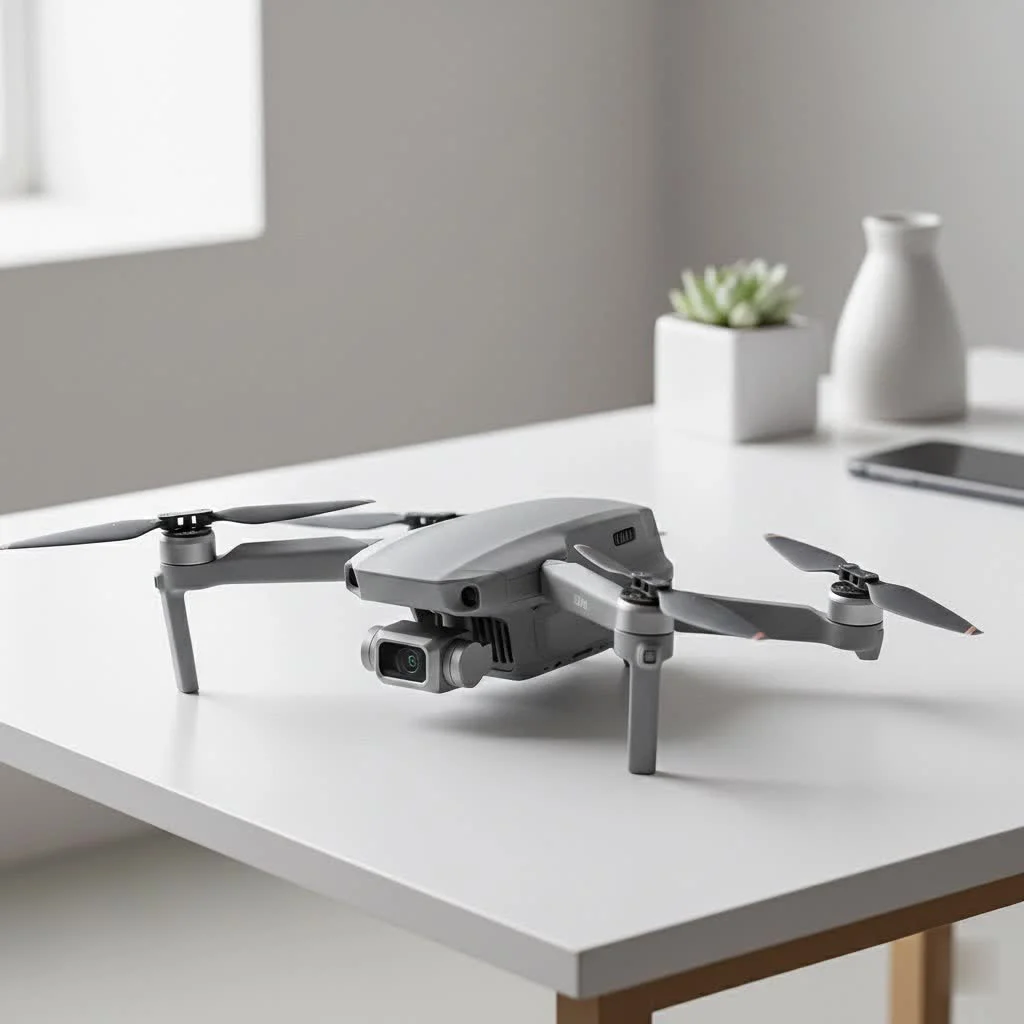
The world of aerial photography was forever changed when the first DJI Mavic drone hit the market. Compact, powerful, and remarkably easy to fly, the Mavic series opened up the skies to everyone from hobbyists to professional cinematographers. If you’ve ever been captivated by breathtaking aerial shots and wondered how you could capture them yourself, you’re in the right place. This guide will walk you through everything you need to know about the iconic Mavic drone lineup, helping you choose the perfect model and fly with confidence.
What Makes the Mavic Drone So Popular?
Before the Mavic, high-quality camera drones were often bulky, complicated, and expensive. DJI’s masterstroke was packing professional-grade features into a foldable, portable design that could easily fit into a backpack. This combination of portability and power is the core of the Mavic’s appeal. Key features that set the series apart include high-resolution cameras stabilized by three-axis gimbals, impressive flight times, and intuitive intelligent flight modes that make capturing cinematic shots almost effortless.
Exploring the DJI Mavic Drone Lineup
The Mavic series has evolved over the years, branching into distinct sub-series to cater to different user needs and budgets. Understanding these categories is the first step in finding your ideal flying companion.
DJI Mavic 3 Series: For the Professionals
This is the pinnacle of the consumer drone world. The Mavic 3 series is designed for serious photographers and videographers who demand the best image quality. Featuring a dual-camera system co-engineered with legendary camera maker Hasselblad, it delivers stunning detail and incredible dynamic range. With extended flight times often exceeding 40 minutes, advanced obstacle avoidance, and the ability to shoot in professional video formats, the Mavic 3 is a true powerhouse for content creation.
DJI Air Series: The Perfect All-Rounder
Sitting comfortably between the Mini and Mavic 3, the Air series offers the perfect balance of performance and portability. It’s an ideal choice for content creators, travelers, and advanced hobbyists who need more power and better image quality than a beginner drone can offer, without the flagship price tag. The Air models are known for their robust feature sets, including excellent cameras, reliable obstacle sensing, and strong flight performance, all in a compact, foldable frame.
DJI Mini Series: Power in Your Pocket
The DJI Mini series is the ultimate entry point into the world of high-quality drones. Designed to be incredibly lightweight—often weighing under 250 grams—these drones are not only ultra-portable but also fall under fewer regulations in many countries. Don’t let their small size fool you; the latest Mini models pack a serious punch with 4K video capabilities, stable flight, and user-friendly features. They are perfect for beginners, travelers, and casual flyers who want to capture life’s moments from a new perspective.
How to Choose the Right Mavic Drone for You?
Selecting the best Mavic drone depends entirely on your goals and budget. Are you a beginner looking to learn the ropes, a travel vlogger needing something portable, or a professional who needs the best possible image quality?
To help you decide, consider this simple breakdown:
| Model Series | Best For | Key Features | Price Range |
|---|---|---|---|
| Mavic Mini | Beginners, Travelers, Casual Users | Under 250g, 4K Video, Easy to Fly | $$ |
| Mavic Air | Hobbyists, Content Creators | Balanced Performance, Advanced Camera, Obstacle Sensing | $$$ |
| Mavic 3 | Professionals, Cinematographers | Hasselblad Camera, Best Image Quality, Long Flight Time | $$$$ |
“When choosing a drone, focus on your primary use case,” advises veteran drone pilot Alex Carter. “If you’re shooting for a client, the image quality of the Mavic 3 is non-negotiable. But for capturing your family vacation, a Mavic Mini is not only sufficient—it’s more convenient and fun to fly.”
What Are the Rules for Flying a Mavic Drone Safely?
Owning a powerful Mavic drone comes with the responsibility of flying it safely and legally. While regulations vary by country, some universal principles apply. In the United States, the Federal Aviation Administration (FAA) sets the rules. For recreational flyers, this generally means registering your drone if it weighs over 250 grams, always flying within your visual line of sight, and staying away from airports, emergency response efforts, and large crowds. Always check your local regulations before your first flight.
Your Pre-Flight Checklist
|
Our Picks for the Best Drone in 2026
As an Amazon Associate I earn from qualifying purchases.
|
||
| Num | Product | Action |
|---|---|---|
| 1 | DJI Neo, Mini Drone with 4K UHD Camera for Adults, 135g Self Flying Drone that Follows You, Palm Takeoff, Subject Tracking, QuickShots, Stabilized Video, Built-In Propeller Guard (Controller-Free) |

|
| 2 | Drone with Camera 1080P HD FPV Foldable Drone for Adults and Beginners, RC Quadcopter with Gravity Control, One Key Take Off/Land, Optical Flow Positioning, 360° Flip, 3 Speed Mode, Waypoint Fly Grey |
|
| 3 | Drone with Camera for Adults, 2K HD FPV Drones with Upgrade Altitude Hold, One-Key Take Off/Landing, Speed Adjustment, Headless Mode, 2 Batteries, Toys Gifts for Teen Boys Girls, Beginner |
|
| 4 | LỖI |
|
| 5 | Drone with 1080P Camera for Beginners and Adults, Foldable Remote Control Quadcopter with Voice Control, Gestures Selfie, Altitude Hold, One Key Start, 3D Flips, 2 Batteries, Toy for Beginners |
|
| 6 | DJI Neo Three-Battery Combo, Mini Drone with 4K UHD Camera for Adults, 135g Self Flying Drone that Follows You, Palm Takeoff, Subject Tracking, QuickShots, Stabilized Video (Controller-Free) |
|
| 7 | DJI Mini 3 (DJI RC), Lightweight 3x Mechanical Gimbal Drones with Camera for Adults 4K, 38-min Flight Time, up to 32800ft (10km) Video Transmission, Vertical Shooting, GPS Auto Return Integrated |
|
| 8 | DJI Mini 3 Fly More Combo (DJI RC), Drones with Camera for Adults 4K, 3 Batteries for 114-min Flight Time, Vertical Shooting, 32800ft (10km) Video Transmission, Lightweight Mini Drone for Beginners |
|
| 9 | Drone with Camera - Drones for Adults, with 2 Batteries, Carrying Case, Propellers, 1080P HD Foldable Drone with Stable Hover, Trajectory Flight, Gravity Control, One Key Take Off/Land, 3D Flip |
|
| 10 | DJI Mini 5 Pro Fly More Combo with DJI RC 2, Drone with Camera, 1-Inch CMOS, 4K Drone for Beginners with Omnidirectional Obstacle Sensing, ActiveTrack 360°, 225° Gimbal Rotation, 3 Batteries |
|
A few simple checks can prevent most common drone mishaps. Before every flight, make sure you run through this list:
- Check the Weather: Avoid flying in high winds or rain.
- Inspect Your Drone: Look for any damage to the propellers, body, or gimbal.
- Battery Levels: Ensure your drone and controller batteries are fully charged.
- GPS Lock: Wait for the drone to acquire a strong GPS signal for a stable hover and accurate Return-to-Home function.
- Clear Takeoff Area: Make sure your launch area is flat and free of obstacles.
Getting the Most Out of Your Mavic Drone Camera
The incredible camera is the heart of every Mavic drone. To elevate your aerial footage from simple snapshots to cinematic art, experiment with the intelligent flight modes. Features like ActiveTrack allow the drone to automatically follow a subject, while QuickShots execute pre-programmed flight maneuvers like circles and spirals for dramatic, professional-looking clips with just a tap.
Furthermore, learn the basics of camera settings. Don’t just fly on auto mode. Understanding how to manually adjust ISO, shutter speed, and white balance will give you complete creative control over your images and videos, allowing you to adapt to any lighting condition.
Frequently Asked Questions about Mavic Drones
What is the flight time of a typical Mavic drone?
Flight times vary by model and conditions, but modern Mavic drones generally offer between 30 to 45 minutes of flight time on a single battery.
Do I need a license to fly a Mavic drone?
In many regions, including the US, you do not need a license for recreational flying. However, if you plan to fly for commercial purposes, you will need to obtain a remote pilot certificate from your country’s aviation authority.
How far can a Mavic drone fly?
The transmission range can be several kilometers, with high-end models like the Mavic 3 offering stable video feeds from even greater distances. However, regulations typically require you to keep the drone within your visual line of sight at all times.
Are Mavic drones difficult to fly?
No, Mavic drones are surprisingly easy to fly, even for beginners. They are equipped with advanced stabilization technology, GPS, and intelligent sensors that make takeoff, hovering, and landing incredibly simple and stable.
Can I fly my Mavic drone in the rain?
It is not recommended. Most Mavic drones are not waterproof, and flying in rain can damage the electronics and motors, potentially leading to a crash.
Your Journey to the Skies Begins Here
The DJI Mavic drone has democratized aerial creativity, putting the power of a Hollywood film crew into a device that fits in your hand. Whether you choose the pocket-sized Mini, the versatile Air, or the professional Mavic 3, you are investing in a tool that will change the way you see the world. By understanding the different models, flying responsibly, and mastering your camera, you can unlock a world of creative possibilities. Now, it’s time to take to the skies and share your unique perspective.
Get our weekly buyer guide
Practical specs, not advice. Unsubscribe anytime.
I’ve been flying drones for years, and the Mavic series really did change the game. I remember when the first one came out, it was mind-blowing how much tech they packed into such a small, foldable design. My Mavic 3 Pro is my go-to for client work; the camera quality is just insane for its size. Definitely worth the investment if you’re serious about aerial photography.
I got the Mavic Mini 3 Pro because I heard it was super easy to fly for beginners. While it is pretty intuitive, I found the initial setup process a bit more complicated than I expected, especially with all the firmware updates. Once it’s up in the air, it’s great, but getting there took a little patience. Still, the footage I’ve captured is pretty good for a drone this size.
The Mavic 2 Zoom was my first serious drone, and it completely opened up a new world for my videography projects. The zoom feature is incredibly useful for getting shots without disturbing wildlife or getting too close to structures. It’s robust and reliable, and I’ve never had any issues with it, even in slightly windy conditions. Highly recommend any of the Mavic models for their build quality.
I picked up a Mavic Air 2 after reading about its portability and ease of use, and it’s been fantastic for my weekend adventures. It really does fit into a backpack without any hassle, which is a huge plus for hiking. The battery life is decent, but I do wish it came with an extra one in the standard package, as I often find myself wanting more flight time.