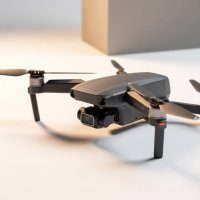
Flying a drone is an exhilarating experience, offering breathtaking perspectives whether you’re capturing stunning landscapes or inspecting critical infrastructure. But before you launch, it’s crucial to understand the rules of the sky. The Federal Aviation Administration (FAA) sets these regulations to ensure safety for everyone, both in the air and on the ground. This guide will walk you through everything you need to know about FAA drone regulations, whether you’re flying for fun or for work.
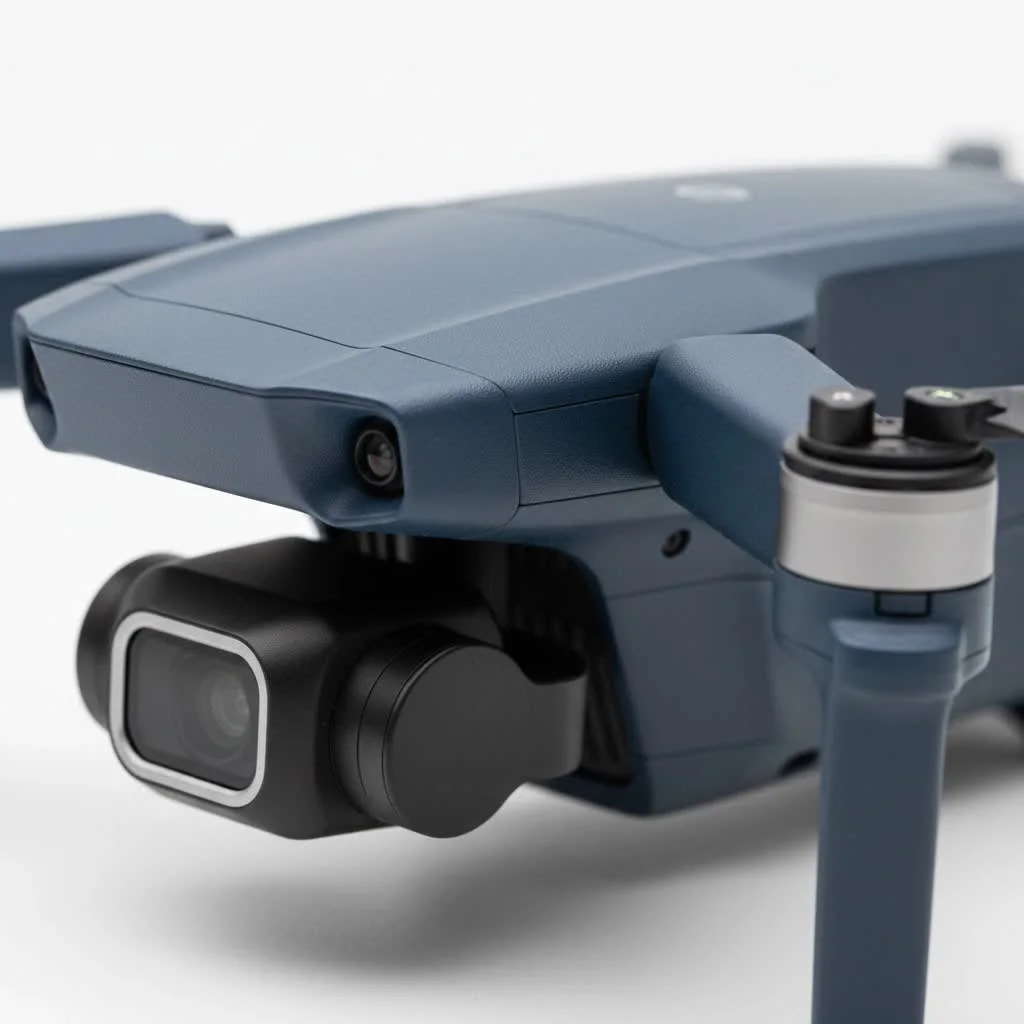
Recreational vs. Commercial: Which FAA Drone Rules Apply?
The first step in responsible drone ownership is identifying your flight purpose. The FAA has two primary categories for drone pilots, and the rules differ significantly between them. For complete consumer library on this site.
Flying for Fun: The Recreational Flyer’s Rulebook
If you’re flying purely for personal enjoyment, you fall under the recreational flyer category. The rules are straightforward but mandatory:
- Take The Recreational UAS Safety Test (TRUST): Before your first flight, you must pass this free online test. It covers basic safety and airspace knowledge. Once you pass, you’ll receive a completion certificate that you must have with you whenever you fly.
- Register Your Drone (If Applicable): If your drone weighs more than 0.55 pounds (250 grams), it must be registered with the FAA through the FAADroneZone portal. The registration costs $5 and is valid for three years.
- Fly Within Visual Line of Sight (VLOS): Always keep your drone where you can see it with your own eyes, without the aid of binoculars or a screen.
- Adhere to Altitude Limits: In uncontrolled airspace (Class G), you must fly at or below 400 feet. To fly in controlled airspace (near airports), you need prior authorization through the Low Altitude Authorization and Notification Capability (LAANC) system.
- Follow Safety Guidelines: You should follow the safety guidelines of an FAA-recognized Community-Based Organization (CBO).
Flying for Work: Understanding Part 107
Any flight that is not strictly for recreation is considered a commercial operation. This includes activities like real estate photography, agricultural surveys, or even posting monetized videos online. These operations are governed by the FAA’s Small UAS Rule, also known as Part 107. To fly commercially, you must obtain a Remote Pilot Certificate from the FAA.
How to Get Your FAA Drone Pilot Certificate (Part 107)
Becoming a certified commercial drone pilot is a significant achievement that opens up a world of professional opportunities. The process involves demonstrating your knowledge of safe and legal drone operation.
Eligibility Requirements
|
Our Picks for the Best Drone in 2026
As an Amazon Associate I earn from qualifying purchases.
|
||
| Num | Product | Action |
|---|---|---|
| 1 | Drone with Camera - Drones for Adults, with 2 Batteries, Carrying Case, Propellers, 1080P HD Foldable Drone with Stable Hover, Trajectory Flight, Gravity Control, One Key Take Off/Land, 3D Flip |

|
| 2 | DJI Mini 3 Fly More Combo (DJI RC), Drones with Camera for Adults 4K, 3 Batteries for 114-min Flight Time, Vertical Shooting, 32800ft (10km) Video Transmission, Lightweight Mini Drone for Beginners |
|
| 3 | Drone with 1080P Camera for Beginners and Adults, Foldable Remote Control Quadcopter with Voice Control, Gestures Selfie, Altitude Hold, One Key Start, 3D Flips, 2 Batteries, Toy for Beginners |
|
| 4 | DJI Neo Three-Battery Combo, Mini Drone with 4K UHD Camera for Adults, 135g Self Flying Drone that Follows You, Palm Takeoff, Subject Tracking, QuickShots, Stabilized Video (Controller-Free) |
|
| 5 | DJI Mini 5 Pro Fly More Combo with DJI RC 2, Drone with Camera, 1-Inch CMOS, 4K Drone for Beginners with Omnidirectional Obstacle Sensing, ActiveTrack 360°, 225° Gimbal Rotation, 3 Batteries |
|
| 6 | Drone with Camera 1080P HD FPV Foldable Drone for Adults and Beginners, RC Quadcopter with Gravity Control, One Key Take Off/Land, Optical Flow Positioning, 360° Flip, 3 Speed Mode, Waypoint Fly Grey |
|
| 7 | DJI Mini 3 (DJI RC), Lightweight 3x Mechanical Gimbal Drones with Camera for Adults 4K, 38-min Flight Time, up to 32800ft (10km) Video Transmission, Vertical Shooting, GPS Auto Return Integrated |
|
| 8 | LỖI |
|
| 9 | DJI Neo, Mini Drone with 4K UHD Camera for Adults, 135g Self Flying Drone that Follows You, Palm Takeoff, Subject Tracking, QuickShots, Stabilized Video, Built-In Propeller Guard (Controller-Free) |
|
| 10 | Drone with Camera for Adults, 2K HD FPV Drones with Upgrade Altitude Hold, One-Key Take Off/Landing, Speed Adjustment, Headless Mode, 2 Batteries, Toys Gifts for Teen Boys Girls, Beginner |
|
Before you can take the test, you must meet a few basic criteria:
- Be at least 16 years old.
- Be able to read, speak, write, and understand English.
- Be in a physical and mental condition to safely fly a drone.
The Aeronautical Knowledge Test
The core of the certification process is the Part 107 initial aeronautical knowledge test, officially called the “Unmanned Aircraft General – Small (UAG)” exam. This 60-question, multiple-choice test covers a wide range of topics, including:
- Regulations: Understanding the specifics of Part 107 rules.
- Airspace: Identifying different classes of airspace and their operating requirements.
- Operations: Best practices for flight logging, pre-flight inspections, and emergency procedures.
- Weather: How weather phenomena affect drone performance and safety.
- Loading and Performance: Calculating weight and balance for your aircraft.
The test is administered at FAA-approved Knowledge Testing Centers and typically costs around $175. A passing score is 70% or higher.
Completing Your Application
Once you pass the knowledge test, you’ll complete FAA Form 8710-13 through the FAA’s Integrated Airman Certificate and/or Rating Application (IACRA) system. After a successful TSA security background check, the FAA will issue your official Remote Pilot Certificate.
“Obtaining a Part 107 certificate isn’t just about passing a test; it’s about committing to a higher standard of safety and professionalism,” notes John Carter, a veteran drone pilot with RVSWS. “It shows clients and the public that you understand the complexities of operating in the national airspace.”
The First Step for Every Pilot: FAA Drone Registration
Regardless of whether you fly for fun or profit, registration is a key FAA drone requirement. All drones weighing more than 0.55 pounds (250 grams) must be registered.
- Recreational Flyers: Pay a single $5 fee to receive one registration number that covers all the drones you own for three years.
- Commercial (Part 107) Pilots: Must register each drone individually at a cost of $5 per aircraft, with the registration valid for three years.
You must clearly mark the outside of your drone with its registration number. The process is quick and can be completed online via the FAADroneZone website.
What is Remote ID for Drones?
A more recent development in FAA drone regulation is the implementation of Remote ID. Think of it as a “digital license plate” for your drone. It broadcasts identification and location information during flight, allowing the FAA, law enforcement, and other agencies to identify who is flying in their airspace.
Most new drones come with Standard Remote ID built-in. For older drones, you may need to attach a separate broadcast module. Flying without Remote ID is only permitted in specific FAA-Recognized Identification Areas (FRIAs). This rule applies to all registered drones, making the skies more transparent and secure for everyone.
Frequently Asked Questions (FAQ)
Do I need a license to fly a drone under 250 grams?
For recreational flying, you do not need to register a drone that weighs 250 grams or less at takeoff. However, if you are using it for any commercial purpose, you must register it and hold a Part 107 certificate, regardless of its weight.
How much does the FAA drone pilot test cost?
The fee for the Part 107 aeronautical knowledge test is typically around $175, paid directly to the FAA-approved testing center where you take the exam.
Can I fly my drone over my neighbor’s house?
While the FAA controls the airspace, flying over private property can raise privacy concerns. It’s always best to be respectful and avoid flying directly over people or private property without their consent. Local laws may also apply.
What happens if I violate FAA drone rules?
Violating FAA regulations can lead to serious consequences, including substantial fines and potential criminal penalties, especially if the violation endangers people or other aircraft.
How long is a Part 107 certificate valid?
Your Remote Pilot Certificate does not expire, but you must maintain your aeronautical knowledge currency by completing a free online recurrent training course every 24 calendar months.
Conclusion: Fly Safely and Responsibly
Understanding and complying with FAA drone regulations is fundamental to being a responsible pilot. By registering your drone, passing the required tests, and adhering to safety protocols like maintaining a visual line of sight and respecting altitude limits, you contribute to a safer sky for all. Whether you are a hobbyist capturing family memories or a professional leveraging drone technology for business, your commitment to these rules ensures the continued and successful integration of drones into our world.
Get our weekly buyer guide
Practical specs, not advice. Unsubscribe anytime.