A high-quality drone battery is essential for extended, enjoyable flights, with most modern drones utilizing Lithium Polymer (LiPo) batteries due to their high energy density and lightweight properties. Understanding battery specifications like voltage (V), capacity (mAh), and C-rating, along with proper care, charging, and storage, is crucial for maximizing performance, ensuring safety, and extending the lifespan of your drone’s power source. With proper maintenance, a typical drone battery can last for 300-500 charge cycles.
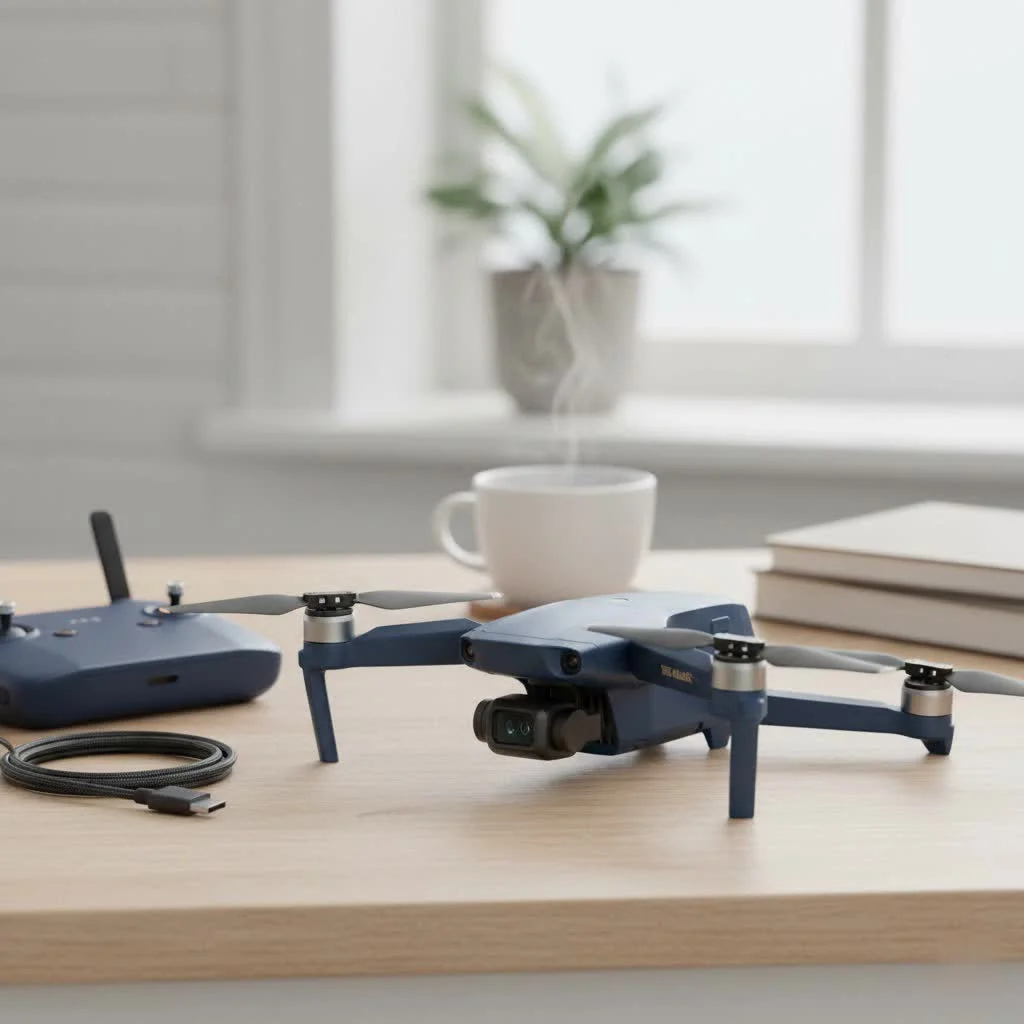
Understanding the Basics of Your Drone Battery
At first glance, a drone battery might seem like a simple power pack. However, it’s a sophisticated piece of technology. Most drones today use Lithium Polymer (LiPo) batteries, chosen for their high energy density and lightweight properties. This means they can store a lot of power in a small, light package—perfect for aviation. For shop curated consumer on this site.
What Are Drone Batteries Made Of?
The vast majority of consumer and prosumer drones rely on LiPo batteries. Unlike the Lithium-Ion (Li-ion) batteries in your smartphone, LiPo batteries use a polymer electrolyte instead of a liquid one. This design allows for more flexible shapes and a higher discharge rate, which is the speed at which energy can be drawn from the battery. This high discharge capability is essential for powering multiple high-speed motors simultaneously.
- LiPo (Lithium Polymer): The industry standard. Offers high energy density, a high discharge rate, and is lightweight. They require careful handling and maintenance to operate safely.
- Li-ion (Lithium-Ion): Less common in drones but gaining traction in some long-endurance models. They typically have a higher energy density by weight but a lower discharge rate than LiPo batteries.
Decoding the Numbers: Volts, Capacity, and C-Rating
The label on your drone battery is packed with critical information. Understanding these specifications is key to choosing the right battery and operating your drone safely.
-
Voltage (V) and Cell Count (S): The voltage determines the overall power of the battery. Drone batteries are made of individual cells, each with a nominal voltage of 3.7V. A battery’s total voltage is often expressed by its cell count, marked with an “S”. For example, a 4S battery means it has four cells connected in series (4 x 3.7V = 14.8V). Using a battery with the wrong voltage can permanently damage your drone’s electronics.
-
Capacity (mAh): Measured in milliamp-hours, capacity indicates how much energy the battery can store. A higher mAh rating generally means a longer potential flight time, but it also means a heavier and larger battery. It’s a trade-off between flight duration and the drone’s agility.
-
Discharge Rate (C-Rating): This is one of the most important yet often misunderstood metrics. The C-rating indicates the maximum rate at which the battery can be safely discharged. A 50C rating on a 5000mAh battery means it can theoretically supply 250 amps (5A x 50). Using a battery with too low a C-rating can cause it to overheat and fail under load, leading to a crash.
“Pilots often focus solely on capacity for longer flight times, but the C-rating is the true performance metric. It’s the difference between having enough power for a critical maneuver and having the drone’s motors starve for energy when you need it most,” says our lead technician, Alex Carter.
Essential Drone Battery Care and Maintenance
Proper care is not just about extending the life of your battery; it’s a critical safety practice. LiPo batteries can be hazardous if mishandled, so following these guidelines is non-negotiable.
How Should I Charge My Drone Battery?
|
Our Picks for the Best Drone in 2026
As an Amazon Associate I earn from qualifying purchases.
|
||
| Num | Product | Action |
|---|---|---|
| 1 | LỖI |

|
| 2 | Drone with Camera - Drones for Adults, with 2 Batteries, Carrying Case, Propellers, 1080P HD Foldable Drone with Stable Hover, Trajectory Flight, Gravity Control, One Key Take Off/Land, 3D Flip |
|
| 3 | DJI Neo, Mini Drone with 4K UHD Camera for Adults, 135g Self Flying Drone that Follows You, Palm Takeoff, Subject Tracking, QuickShots, Stabilized Video, Built-In Propeller Guard (Controller-Free) |
|
| 4 | DJI Mini 3 (DJI RC), Lightweight 3x Mechanical Gimbal Drones with Camera for Adults 4K, 38-min Flight Time, up to 32800ft (10km) Video Transmission, Vertical Shooting, GPS Auto Return Integrated |
|
| 5 | Drone with 1080P Camera for Beginners and Adults, Foldable Remote Control Quadcopter with Voice Control, Gestures Selfie, Altitude Hold, One Key Start, 3D Flips, 2 Batteries, Toy for Beginners |
|
| 6 | Drone with Camera for Adults, 2K HD FPV Drones with Upgrade Altitude Hold, One-Key Take Off/Landing, Speed Adjustment, Headless Mode, 2 Batteries, Toys Gifts for Teen Boys Girls, Beginner |
|
| 7 | Drone with Camera 1080P HD FPV Foldable Drone for Adults and Beginners, RC Quadcopter with Gravity Control, One Key Take Off/Land, Optical Flow Positioning, 360° Flip, 3 Speed Mode, Waypoint Fly Grey |
|
| 8 | DJI Mini 3 Fly More Combo (DJI RC), Drones with Camera for Adults 4K, 3 Batteries for 114-min Flight Time, Vertical Shooting, 32800ft (10km) Video Transmission, Lightweight Mini Drone for Beginners |
|
| 9 | DJI Mini 5 Pro Fly More Combo with DJI RC 2, Drone with Camera, 1-Inch CMOS, 4K Drone for Beginners with Omnidirectional Obstacle Sensing, ActiveTrack 360°, 225° Gimbal Rotation, 3 Batteries |
|
| 10 | DJI Neo Three-Battery Combo, Mini Drone with 4K UHD Camera for Adults, 135g Self Flying Drone that Follows You, Palm Takeoff, Subject Tracking, QuickShots, Stabilized Video (Controller-Free) |
|
Charging is the most critical phase of battery handling. Always use a charger specifically designed for your battery type and model.
- Balance Charging: Always use the balance charge function on your charger. This ensures that each cell within the battery pack is charged to the same voltage level, preventing overcharging of individual cells and promoting battery health.
- Never Leave Unattended: Do not leave charging batteries unattended. It’s best practice to charge them in a fire-resistant LiPo bag or on a non-flammable surface like concrete.
- Charge at Room Temperature: Avoid charging a battery that is too hot (right after a flight) or too cold. Let it return to room temperature first for optimal charging and longevity.
Safely Storing Your Drone Batteries
How you store your batteries between flights has a significant impact on their lifespan. Leaving a LiPo battery fully charged or fully depleted for extended periods will cause irreversible damage.
The ideal state for long-term storage is at a “storage charge,” which is around 3.80-3.85V per cell, or approximately 50-60% of its total capacity. Most modern smart chargers have a dedicated storage function that will automatically charge or discharge the battery to this level. Store them in a cool, dry place inside a LiPo-safe bag.
Tips for Extending Your Battery’s Lifespan
With proper care, a typical drone battery can last for 300-500 charge cycles. To maximize this, follow these tips:
- Avoid Full Discharges: Try not to fly until the battery is completely empty. It’s best to land when the battery reaches 20-25% capacity.
- Break-In New Batteries: For the first few cycles of a new battery, fly gently without aggressive maneuvers. This helps the battery chemistry settle and ensures better performance over its lifetime.
- Monitor Battery Temperature: Extreme heat is the enemy of a LiPo battery. If you’re flying on a hot day, give your batteries and drone time to cool down between flights.
Safety First: Avoiding Common Battery Hazards
Safety should always be your top priority. Damaged or misused batteries pose a serious fire risk.
How to Spot a Damaged Battery
Perform a pre-flight and post-flight inspection of your batteries every time. Look for any of these warning signs:
- Puffing or Swelling: This is the most obvious sign of a failing battery. It indicates that gas has built up inside the cells. A swollen battery should be decommissioned immediately and never used or charged again.
- Physical Damage: Any punctures, dents, or damage to the wrapper or connectors are red flags.
- Overheating: If a battery feels excessively hot to the touch after a normal flight, it may be a sign of an internal issue.
If you identify a damaged battery, you must dispose of it properly. Do not simply throw it in the trash.
Safe Transportation and Disposal
When traveling, it’s crucial to follow airline and local regulations. Generally, drone batteries must be carried in your carry-on luggage, not in checked bags. Each battery’s terminals should be protected (e.g., with electrical tape or by storing in individual plastic bags) to prevent short circuits.
To dispose of an old or damaged battery, first fully discharge it using your charger’s discharge function or a saltwater bath method (research this carefully). Once fully discharged, take it to a local battery recycling center or a designated e-waste facility.
Frequently Asked Questions (FAQ)
How long do drone batteries last?
The lifespan of a drone battery is measured in charge cycles, typically lasting between 300 to 500 cycles with proper care. Flight time on a single charge can range from 10 to over 30 minutes, depending on the drone model, battery capacity, and flying conditions.
Can I leave my drone battery charging overnight?
No, you should never leave a LiPo battery charging overnight or unattended. While modern chargers have auto-shutoff features, system failures can occur. Always monitor the charging process and disconnect the battery once it is full.
Why is my drone battery swelling or “puffy”?
A swollen or puffy battery is a sign of internal cell damage and gas buildup, often caused by over-discharging, over-charging, physical damage, or simple aging. A swollen battery is a serious fire hazard and must be safely disposed of immediately.
What is the ideal storage charge for a drone battery?
The ideal storage charge for a LiPo battery is approximately 3.80V to 3.85V per cell, which is about 50-60% of its total capacity. Storing a battery at this level significantly reduces degradation and extends its overall lifespan.
How do I dispose of old drone batteries?
Never throw LiPo batteries in the regular trash. First, you must fully and safely discharge them. Then, take them to a designated battery recycling center or an e-waste collection facility in your community.
Conclusion: Power Your Passion with Knowledge
Your drone battery is more than just a power source; it’s the key to unlocking your drone’s full potential. By investing time in understanding its technology and committing to proper care and safety protocols, you protect your investment, ensure safer flights, and enjoy more time in the air. Flying drones is an exhilarating experience, and with this expert knowledge from RVSWS, you can be confident that you’re powering your passion safely and effectively for years to come.
Frequently Asked Questions
How long do drone batteries typically last?
The lifespan of a drone battery is measured in charge cycles, typically lasting between 300 to 500 cycles with proper care. Flight time on a single charge can range from 10 to over 30 minutes, depending on the drone model, battery capacity, and flying conditions.
Is it safe to leave a drone battery charging overnight?
No, you should never leave a LiPo battery charging overnight or unattended. While modern chargers have auto-shutoff features, system failures can occur. Always monitor the charging process and disconnect the battery once it is full.
What causes a drone battery to swell or become puffy?
A swollen or puffy battery is a sign of internal cell damage and gas buildup, often caused by over-discharging, over-charging, physical damage, or simple aging. A swollen battery is a serious fire hazard and must be safely disposed of immediately.
What is the recommended storage charge for a LiPo drone battery?
The ideal storage charge for a LiPo battery is approximately 3.80V to 3.85V per cell, which is about 50-60% of its total capacity. Storing a battery at this level significantly reduces degradation and extends its overall lifespan.
What is the correct way to dispose of old drone batteries?
Never throw LiPo batteries in the regular trash. First, you must fully and safely discharge them using your charger's discharge function or a saltwater bath method. Then, take them to a designated battery recycling center or an e-waste collection facility in your community.
Extend Your Drone Battery's Lifespan
Follow these essential tips to maximize the number of charge cycles and overall longevity of your drone battery.
Do not fly your drone until the battery is completely empty. It is best practice to land your drone when the battery capacity reaches 20-25% to prevent irreversible damage.
For the first few cycles of a new battery, fly gently and avoid aggressive maneuvers. This helps the battery chemistry settle, ensuring better performance and a longer lifespan.
Extreme heat is detrimental to LiPo batteries. If flying on a hot day or after an intense flight, allow your batteries and drone to cool down to room temperature between flights.
Get our weekly buyer guide
Practical specs, not advice. Unsubscribe anytime.

This guide was super helpful! I always just charged my LiPo batteries whenever, but learning about the C-rating and how it affects discharge has totally changed my approach. My flight times feel more consistent now, and I’m definitely going to be more diligent about proper storage to hit those 300-500 charge cycles. Great info for any drone enthusiast.
Finally, a clear explanation of why LiPo batteries are so common in drones! I always knew they were good, but the high energy density and lightweight properties make so much sense now. Understanding the importance of not over-discharging has already saved one of my newer batteries. This is essential reading for anyone serious about their drone.
Good general advice, especially for beginners. I was hoping for a bit more detail on specific charging brands or smart chargers that are best for LiPo batteries. The info on proper care is solid, but a few product recommendations would have made it even better. Still, a decent overview of battery basics.
I appreciated the breakdown of voltage and capacity. I’ve been flying for a while but never really understood the ‘why’ behind those numbers. It’s good to know how to properly maintain them to extend lifespan. I’m hoping to get more out of my current set of batteries now that I’m following these tips.