Have you ever wondered what it feels like to fly? Not just controlling a device from the ground, but truly seeing the world from a bird’s-eye view, soaring through the sky with breathtaking speed and agility. This is the incredible experience an FPV drone delivers. FPV, which stands for First-Person View, is more than just a type of drone; it’s a completely immersive hobby that combines technology, skill, and a vibrant community. It places you directly in the pilot’s seat, transforming the way you interact with the world from above.
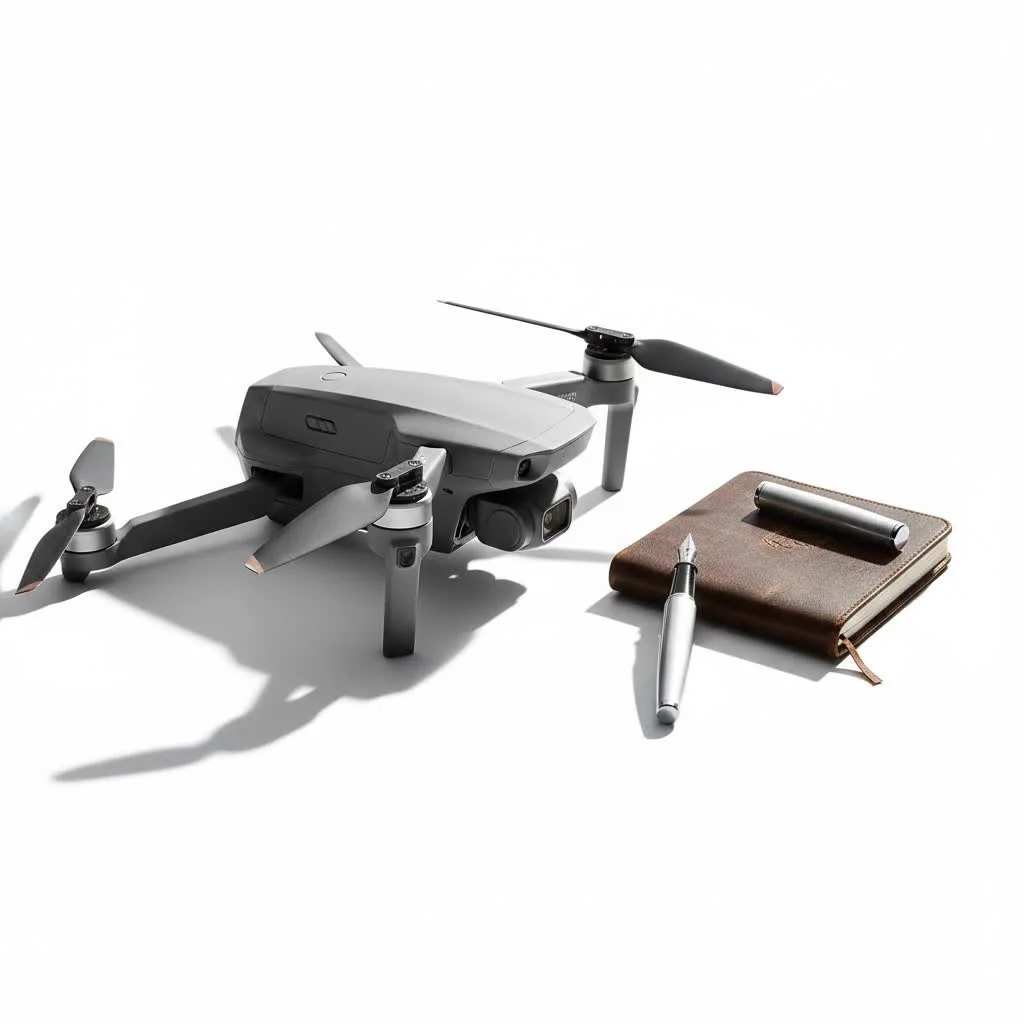
At RVSWS, with over a decade and a half of hands-on experience, we’ve seen FPV technology evolve from a niche hobby into a global phenomenon. Whether you’re interested in high-speed racing, acrobatic freestyle flying, or capturing stunning cinematic shots, this guide will serve as your launchpad into the exhilarating world of FPV drones. For expert consumer reviews on this site.
How Does an FPV Drone System Work?
Unlike standard drones that primarily rely on a smartphone or tablet screen for a third-person view, an FPV system is built around three core components that work in harmony to put you in the cockpit. Understanding this trio is the first step to mastering FPV.
1. The Drone (Quadcopter)
The aircraft itself is a marvel of engineering, built for performance and durability. A small camera mounted on the front of the FPV drone captures a live video feed. This feed is sent wirelessly via a video transmitter (VTX) back to the pilot on the ground in near real-time. These drones are typically built tough because, as a beginner, you’ll inevitably have a few crashes.
2. The FPV Goggles
This is where the magic happens. The FPV goggles receive the video signal from the drone’s VTX. They feature two small screens, one for each eye, that create a stereoscopic, immersive view. When you put on the goggles, the ground disappears, and you are instantly transported into the drone’s cockpit. The low-latency video feed is crucial, as even a millisecond of delay can make a difference when navigating tight gaps at high speed.
3. The Radio Transmitter
The radio transmitter, or controller, is your connection to the drone. It’s how you communicate your inputs—throttle, yaw, pitch, and roll—to the aircraft. FPV transmitters are highly precise and offer a greater degree of control and customization than the controllers typically bundled with consumer camera drones. This precision is what allows for the spectacular acrobatic maneuvers that FPV is famous for.
FPV Drone vs. Standard Drones: What’s the Real Difference?
Many people’s first drone experience is with a brand like DJI. While these are fantastic tools for aerial photography, they offer a fundamentally different experience from an FPV drone.
- Flight Experience: Standard drones are designed for stability. They are packed with sensors and GPS to make them hover perfectly in place and fly smoothly. An FPV drone, by contrast, is built for raw, manual control. Flying in “Acro” mode (the standard for FPV) means you have direct control over the drone’s orientation without any automatic stabilization. It’s challenging but incredibly rewarding.
- Durability and Repair: Consumer drones are complex and can be expensive to repair. FPV drones are modular and designed to be crashed and rebuilt. Every component can be swapped out, making repairs cheaper and a great way to learn about the technology.
- Speed and Agility: An FPV racing drone can easily exceed 100 mph (160 kph), with custom builds going even faster. Their power-to-weight ratio is immense, allowing them to perform flips, rolls, and dives that are simply impossible for a GPS-stabilized drone.
- Immersive View: The FPV goggles create an unparalleled sense of flight that a phone screen simply cannot replicate.
As our lead technician, David Chen, often says, “Flying a DJI drone is like directing a movie from a helicopter. Flying an FPV drone is like being strapped to the front of a rocket. Both are amazing, but they are completely different worlds.”
Getting Started with FPV: Your First Flight Plan
Diving into the FPV world can seem intimidating, but breaking it down into a few key steps makes it manageable for anyone. Rushing this process is the fastest way to a broken drone and a bruised ego.
Step 1: Start with a Simulator
|
Our Picks for the Best Drone in 2026
As an Amazon Associate I earn from qualifying purchases.
|
||
| Num | Product | Action |
|---|---|---|
| 1 | LỖI |

|
| 2 | DJI Neo, Mini Drone with 4K UHD Camera for Adults, 135g Self Flying Drone that Follows You, Palm Takeoff, Subject Tracking, QuickShots, Stabilized Video, Built-In Propeller Guard (Controller-Free) |
|
| 3 | Drone with Camera - Drones for Adults, with 2 Batteries, Carrying Case, Propellers, 1080P HD Foldable Drone with Stable Hover, Trajectory Flight, Gravity Control, One Key Take Off/Land, 3D Flip |
|
| 4 | DJI Mini 3 (DJI RC), Lightweight 3x Mechanical Gimbal Drones with Camera for Adults 4K, 38-min Flight Time, up to 32800ft (10km) Video Transmission, Vertical Shooting, GPS Auto Return Integrated |
|
| 5 | Drone with Camera 1080P HD FPV Foldable Drone for Adults and Beginners, RC Quadcopter with Gravity Control, One Key Take Off/Land, Optical Flow Positioning, 360° Flip, 3 Speed Mode, Waypoint Fly Grey |
|
| 6 | Drone with 1080P Camera for Beginners and Adults, Foldable Remote Control Quadcopter with Voice Control, Gestures Selfie, Altitude Hold, One Key Start, 3D Flips, 2 Batteries, Toy for Beginners |
|
| 7 | DJI Neo Three-Battery Combo, Mini Drone with 4K UHD Camera for Adults, 135g Self Flying Drone that Follows You, Palm Takeoff, Subject Tracking, QuickShots, Stabilized Video (Controller-Free) |
|
| 8 | DJI Mini 3 Fly More Combo (DJI RC), Drones with Camera for Adults 4K, 3 Batteries for 114-min Flight Time, Vertical Shooting, 32800ft (10km) Video Transmission, Lightweight Mini Drone for Beginners |
|
| 9 | Drone with Camera for Adults, 2K HD FPV Drones with Upgrade Altitude Hold, One-Key Take Off/Landing, Speed Adjustment, Headless Mode, 2 Batteries, Toys Gifts for Teen Boys Girls, Beginner |
|
| 10 | DJI Mini 5 Pro Fly More Combo with DJI RC 2, Drone with Camera, 1-Inch CMOS, 4K Drone for Beginners with Omnidirectional Obstacle Sensing, ActiveTrack 360°, 225° Gimbal Rotation, 3 Batteries |
|
This is the single most important piece of advice for any aspiring FPV pilot. Before you even think about buying a drone, purchase a quality FPV radio transmitter and practice on a simulator like Liftoff, VelociDrone, or DRL Sim. A simulator allows you to crash hundreds of times without any real-world cost. Spend at least 20-30 hours practicing until you can comfortably fly around courses without crashing. This will save you an incredible amount of money and frustration.
Step 2: Choose Your Path (RTF, BNF, or DIY)
There are three main ways to acquire your first FPV drone:
- Ready-to-Fly (RTF): These kits come with everything you need: the drone, goggles, and a controller. They are the simplest way to start but often include lower-quality components that you’ll quickly want to upgrade.
- Bind-and-Fly (BNF): A BNF drone comes fully assembled but without a transmitter or goggles. This is a great option if you’ve already invested in a quality controller for simulator practice. You simply bind your controller to the drone’s receiver.
- Do-It-Yourself (DIY): Building your own FPV drone is the most rewarding path. It teaches you how every component works and makes repairs much easier. While it seems daunting, there are countless tutorials online to guide you.
Step 3: Your First FPV Drone Kit
For beginners, we recommend starting with a small, durable “whoop” style drone or a beginner-focused 3-inch or 5-inch BNF kit. These are often more forgiving and less intimidating than a powerful racing drone. Pair it with a good set of box goggles and the radio you used for the simulator.
Is Flying an FPV Drone Hard?
Yes, it is—at first. Unlike a GPS drone that you can take out of the box and fly with ease, an FPV drone requires learning a new skill. The initial learning curve is steep. You will crash. However, once you get past the first few hours of practice on a simulator and in an open field, it becomes second nature. The direct, unfiltered control is what makes it so addictive. The feeling of nailing a perfect dive or smoothly navigating a “bando” (abandoned building) is a rush that few other hobbies can provide.
Essential Safety and Legal Guidelines
With great power comes great responsibility. Flying an FPV drone requires adherence to local laws and safety best practices.
- Know the Law: In many countries, including the United States, you must register your drone with the aviation authority (like the FAA) and pass a safety test (like TRUST). Always research the specific drone laws in your area.
- Fly with a Spotter: FPV flying requires you to wear goggles, which means you cannot see your immediate surroundings. It is often a legal requirement and always a good idea to have a spotter with you to maintain a visual line of sight with the drone and watch for obstacles like people or aircraft.
- Fly in Safe Areas: Never fly over people, cars, or private property without permission. Large, open fields away from airports are the best places to start.
- Use a Failsafe: Ensure your drone’s failsafe is set up correctly. This function will automatically shut off the motors if you lose the radio signal, preventing the drone from flying away uncontrollably.
Frequently Asked Questions (FAQ)
What is the range of an FPV drone?
The range depends heavily on the video and radio technology used. Standard analog systems can comfortably fly out to 1-2 miles (1.6-3.2 km) in ideal conditions, while digital systems like DJI FPV or HDZero can offer similar or better range with a much clearer picture. Long-range setups can go much further, but this requires advanced knowledge and legal clearance.
How much does it cost to get into FPV?
A complete beginner setup can range from $300 to $600. This includes a basic radio transmitter, a set of box goggles, and a small RTF or BNF drone. High-end setups with professional-grade components can cost several thousand dollars.
Can you take pictures or videos with an FPV drone?
Yes, but it’s different. Most FPV drones use a low-resolution camera for the flight feed. For high-quality recording, pilots strap a separate HD camera, like a GoPro, onto the drone. This combination is how incredible cinematic FPV videos are created.
What is the difference between analog and digital FPV?
Analog FPV is the traditional technology, known for its extremely low latency but lower image quality, often with static and breakup similar to old TV reception. Digital FPV systems offer a crystal-clear HD video feed but typically have slightly higher latency and can be more expensive. Both have passionate user bases.
How long does an FPV drone battery last?
Flight times for an FPV drone are much shorter than for a camera drone. On average, you can expect 3-7 minutes of flight time per battery, depending on the drone’s size and how aggressively you fly. This is why FPV pilots carry a large number of batteries with them.
In conclusion, the world of the FPV drone is an incredibly deep and rewarding hobby. It offers an unmatched sense of freedom and excitement, pushing the boundaries of what’s possible with flight. While the learning curve is real, the skills you develop and the experiences you gain are well worth the effort. So grab a controller, fire up a simulator, and get ready to take your place in the pilot’s seat. The sky is waiting.
Get our weekly buyer guide
Practical specs, not advice. Unsubscribe anytime.
As someone who’s been curious about FPV for a while, this was exactly what I needed. The explanation of how FPV places you ‘directly in the pilot’s seat’ really resonated with me. I’m excited to dive into the community aspect mentioned; it sounds like a great way to learn and connect with other enthusiasts. Definitely feeling more confident about taking the plunge.
I’ve been flying traditional drones for years, but the FPV experience is a game-changer. The guide really helped me understand the difference between racing and freestyle flying, and I’m definitely leaning towards freestyle for those acrobatic shots. It’s like a whole new world of drone piloting has opened up for me. So much more immersive than just watching a screen.
I appreciate the overview of FPV drones and the history of the technology. However, I was hoping for a bit more detail on the specific components needed for a DIY build, especially since the post mentions the evolution of FPV. It’s a good starting point, but I’ll need to look elsewhere for more in-depth technical specs. Still, it clarified the ‘high-speed racing’ aspect for me.
This guide was super helpful for a beginner like me. I was a bit overwhelmed by all the FPV jargon, but it broke down the ‘first-person view’ concept really well. My only minor complaint is that I wish there were more specific recommendations for entry-level FPV drone kits. Still, a solid resource for getting started in this exciting hobby.