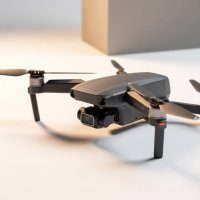
Imagine you’re capturing the perfect shot of a sailboat gliding across the bay, or you’re on a fishing trip and want to drop your line in the perfect spot just beyond the surf. Suddenly, the sky darkens and a light rain begins to fall. With a standard drone, that’s an immediate, mission-aborting panic. But with a waterproof drone, it’s just another day at the office. These rugged, all-weather machines are designed to shrug off water, opening up a world of possibilities that are simply too risky for their fair-weather counterparts.
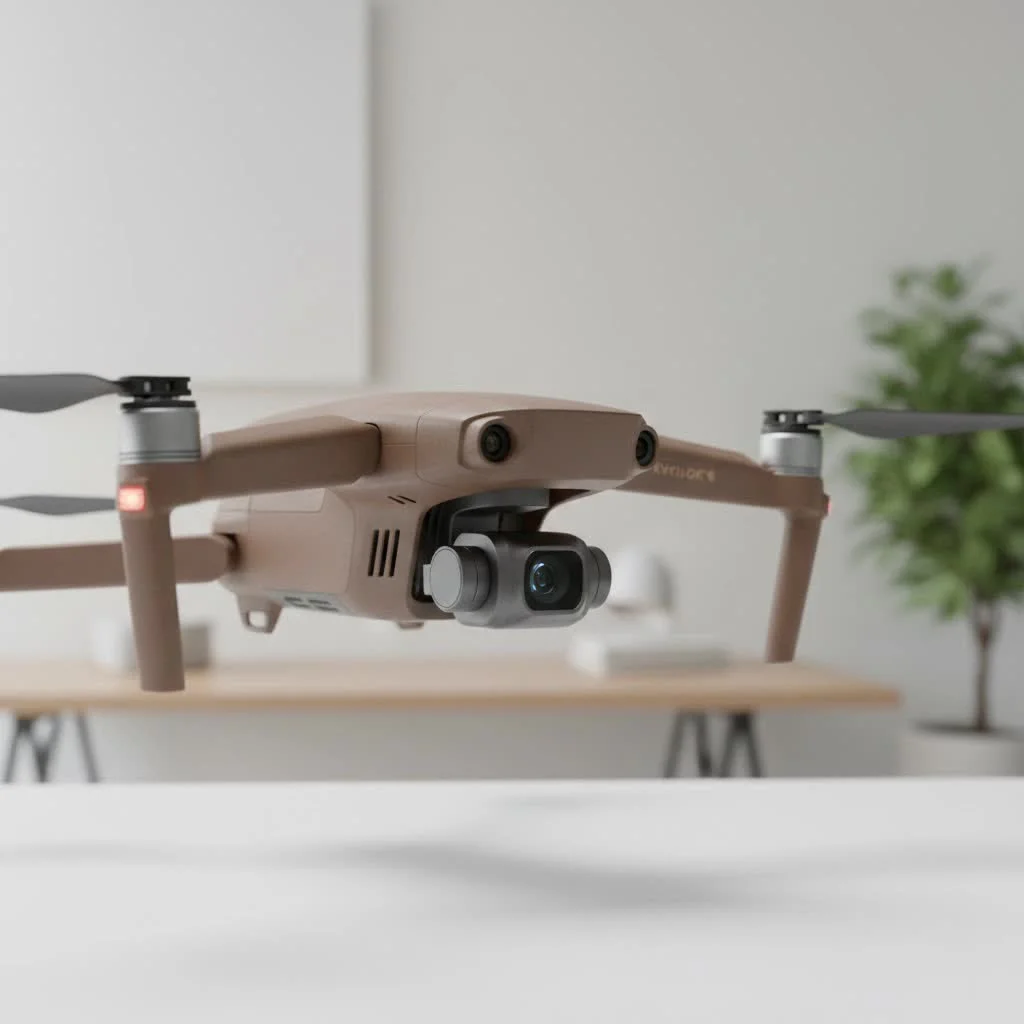
From navigating misty coastlines to braving unexpected downpours, a waterproof drone offers unparalleled freedom and peace of mind. This guide, brought to you by the experts at RVSWS, will dive deep into everything you need to know about these incredible flying machines.
What Does “Waterproof Drone” Actually Mean?
The term “waterproof” gets thrown around a lot, but in the world of electronics, it has a very specific meaning. It’s not just about surviving a little rain; it’s about a certified level of protection against water ingress.
It’s All About the IP Rating
The key to understanding a drone’s water resistance is its Ingress Protection (IP) rating. This two-digit code tells you exactly how protected the device is against solids (first digit) and liquids (second digit). When we talk about a waterproof drone, we’re focused on that second number.
Here’s a quick breakdown of what those numbers mean for a drone:
| IP Rating | Protection Level | Real-World Scenario |
|---|---|---|
| IPx4 | Protected against splashing water from any direction. | Can handle light rain but not heavy downpours or submersion. |
| IPx5 | Protected against low-pressure water jets. | Can withstand heavy rain and being rinsed off. |
| IPx7 | Can be submerged in up to 1 meter of water for 30 minutes. | True waterproof capability for accidental landings in water. |
| IPx8 | Can be submerged deeper than 1 meter (conditions specified by manufacturer). | The highest level of water protection for extended submersion. |
A drone with an IPx7 rating or higher is considered genuinely waterproof, capable of surviving a full dip in the lake. Anything less is “water-resistant” and should be flown with more caution around water.
The Technology Behind All-Weather Flying
Creating a true waterproof drone involves more than just a tight shell. Manufacturers use several key technologies:
- Sealed Fuselage: The main body is constructed from marine-grade materials like ABS plastic and is hermetically sealed to prevent leaks. Every seam and joint is protected with custom gaskets and O-rings.
- Corrosion-Resistant Motors: Motors are specially coated to resist corrosion, which is especially important for operating in saltwater environments.
- Hydrophobic Coatings: Key components are often treated with a water-repelling nano-coating. This makes water bead up and roll right off, providing an extra layer of defense.
- Waterproof Vents: Some advanced models feature vents with a special membrane that allows heat to escape but prevents water from getting in, crucial for preventing overheating during intense flights.
Top 5 Reasons You Might Need a Waterproof Drone
Why invest in a specialized waterproof model? The applications are as vast as the bodies of water you can now fly over.
- Marine Activities & Watersports: Confidently film surfers, wakeboarders, or your boat trip without the constant fear of a wave or splash ruining your expensive equipment.
- Fishing Reinvented: Many waterproof drones, like the SwellPro Fisherman series, are designed with payload release mechanisms. This allows you to fly your bait out and drop it with precision exactly where the fish are biting.
- Search and Rescue Operations: For emergency services, a drone that can fly in heavy rain or land in water to drop a life vest is an invaluable tool for maritime rescue missions.
- Professional & Industrial Work: Whether inspecting an offshore wind turbine or a dam during a storm, an all-weather drone ensures the job gets done regardless of the conditions.
- Worry-Free Hobby Flying: For the everyday pilot, it means no longer having to cancel a flight day because of a gray sky. It provides the freedom to fly in more diverse and dramatic weather conditions, leading to truly unique photos and videos.
How to Choose the Right Waterproof Drone for You
Not all waterproof drones are created equal. Finding the right one depends entirely on your mission.
Assess Your Goal: Fishing, Filming, or Fun?
|
Our Picks for the Best Drone in 2026
As an Amazon Associate I earn from qualifying purchases.
|
||
| Num | Product | Action |
|---|---|---|
| 1 | DJI Mini 5 Pro Fly More Combo with DJI RC 2, Drone with Camera, 1-Inch CMOS, 4K Drone for Beginners with Omnidirectional Obstacle Sensing, ActiveTrack 360°, 225° Gimbal Rotation, 3 Batteries |

|
| 2 | DJI Neo, Mini Drone with 4K UHD Camera for Adults, 135g Self Flying Drone that Follows You, Palm Takeoff, Subject Tracking, QuickShots, Stabilized Video, Built-In Propeller Guard (Controller-Free) |
|
| 3 | Drone with Camera - Drones for Adults, with 2 Batteries, Carrying Case, Propellers, 1080P HD Foldable Drone with Stable Hover, Trajectory Flight, Gravity Control, One Key Take Off/Land, 3D Flip |
|
| 4 | LỖI |
|
| 5 | DJI Mini 3 (DJI RC), Lightweight 3x Mechanical Gimbal Drones with Camera for Adults 4K, 38-min Flight Time, up to 32800ft (10km) Video Transmission, Vertical Shooting, GPS Auto Return Integrated |
|
| 6 | Drone with Camera 1080P HD FPV Foldable Drone for Adults and Beginners, RC Quadcopter with Gravity Control, One Key Take Off/Land, Optical Flow Positioning, 360° Flip, 3 Speed Mode, Waypoint Fly Grey |
|
| 7 | Drone with 1080P Camera for Beginners and Adults, Foldable Remote Control Quadcopter with Voice Control, Gestures Selfie, Altitude Hold, One Key Start, 3D Flips, 2 Batteries, Toy for Beginners |
|
| 8 | DJI Mini 3 Fly More Combo (DJI RC), Drones with Camera for Adults 4K, 3 Batteries for 114-min Flight Time, Vertical Shooting, 32800ft (10km) Video Transmission, Lightweight Mini Drone for Beginners |
|
| 9 | Drone with Camera for Adults, 2K HD FPV Drones with Upgrade Altitude Hold, One-Key Take Off/Landing, Speed Adjustment, Headless Mode, 2 Batteries, Toys Gifts for Teen Boys Girls, Beginner |
|
| 10 | DJI Neo Three-Battery Combo, Mini Drone with 4K UHD Camera for Adults, 135g Self Flying Drone that Follows You, Palm Takeoff, Subject Tracking, QuickShots, Stabilized Video (Controller-Free) |
|
First, define your primary use. A drone for fishing will prioritize payload capacity and a reliable release system. A drone for cinematography will need a high-quality 4K camera mounted on a 3-axis gimbal for smooth, stable footage. For general-purpose fun, you might look for a balance of durability and ease of use.
Camera and Gimbal Quality
If your goal is capturing stunning visuals, don’t compromise on the camera. Look for a drone that offers a 4K camera and a mechanical gimbal. The gimbal is essential for stabilizing the camera, ensuring your footage is silky smooth even when the drone is being buffeted by wind and waves.
Flight Time and Battery Life
Flying in wind and rain demands more power from the motors, which can impact battery life. Look at the manufacturer’s stated flight time and consider that real-world performance in harsh conditions might be slightly lower. Having spare batteries is always a wise investment.
Saltwater vs. Freshwater
This is a critical consideration. Saltwater is extremely corrosive to electronics. If you plan to fly primarily over the ocean, you must choose a drone built with marine-grade, corrosion-resistant materials. After every saltwater flight, it is essential to rinse the drone thoroughly with fresh water and dry it completely.
“Flying a waterproof drone, especially in marine environments, isn’t just about durability; it’s about reliability. Knowing your equipment can handle a sudden wave or downpour allows you to focus on the mission, whether it’s capturing the perfect shot of a breaching whale or conducting a critical coastal survey.” – Dr. Marcus Thorne, a seasoned marine biologist and aerial photographer.
Pre-Flight Checklist and Post-Flight Care
Proper maintenance is key to the longevity of your waterproof drone.
Simple Pre-Flight Checklist:
- Check that all seals and gaskets are clean and properly seated.
- Ensure the battery compartment is locked and sealed.
- Verify the camera housing is secure and free of moisture.
- Test the motors briefly before launching over water.
Essential Post-Flight Care (Especially After Saltwater Use):
- Power down the drone completely.
- Gently rinse the entire aircraft with fresh, clean water.
- Use a soft cloth to dry the exterior.
- Open the battery compartment and other hatches to allow the interior to air dry completely before storage.
Frequently Asked Questions (FAQ)
Are DJI drones like the Mavic or Mini waterproof?
No. Standard consumer drones from DJI, including the Mavic, Mini, and Air series, are not waterproof and should not be flown in the rain or over water where a landing is possible. Some high-end industrial models like the Matrice series have water resistance (e.g., IP45), making them suitable for light rain but not submersion.
Can I fly a waterproof drone underwater?
Most waterproof drones are designed for flight and surface operation only. They can land on and take off from water, but they cannot navigate underwater. For that, you would need a dedicated underwater drone, also known as an ROV (Remotely Operated Vehicle).
How does rain affect a drone’s flight time?
Rain creates extra drag on the propellers and can cool the battery, both of which require the motors to work harder. This can lead to a slight reduction in overall flight time, typically around 10-15%.
What is the most important feature for a fishing drone?
For a fishing drone, the two most critical features are a high payload capacity (to carry the bait and line) and a reliable, remote-controlled payload release mechanism. Strong wind resistance is also extremely important for coastal fishing.
Conclusion: Elevate Your Flying Experience
A waterproof drone is more than just a gadget; it’s a gateway to new creative and practical frontiers. It removes the boundaries of weather and water, allowing you to operate with a level of confidence and freedom that is simply impossible with a standard drone. Whether you’re a filmmaker, an angler, a professional inspector, or a hobbyist who refuses to be grounded by a little water, investing in a waterproof drone can truly elevate your flying experience. The sky—and now the sea—is the limit.
Get our weekly buyer guide
Practical specs, not advice. Unsubscribe anytime.