The cost of a drone varies significantly, ranging from under $50 for basic toy models to over $2,000 for professional-grade equipment. The average drone price for a beginner who wants a capable drone with GPS and a good camera is typically between $300 and $500. Factors like camera quality, flight performance, intelligent features, and brand reputation primarily influence the final price.
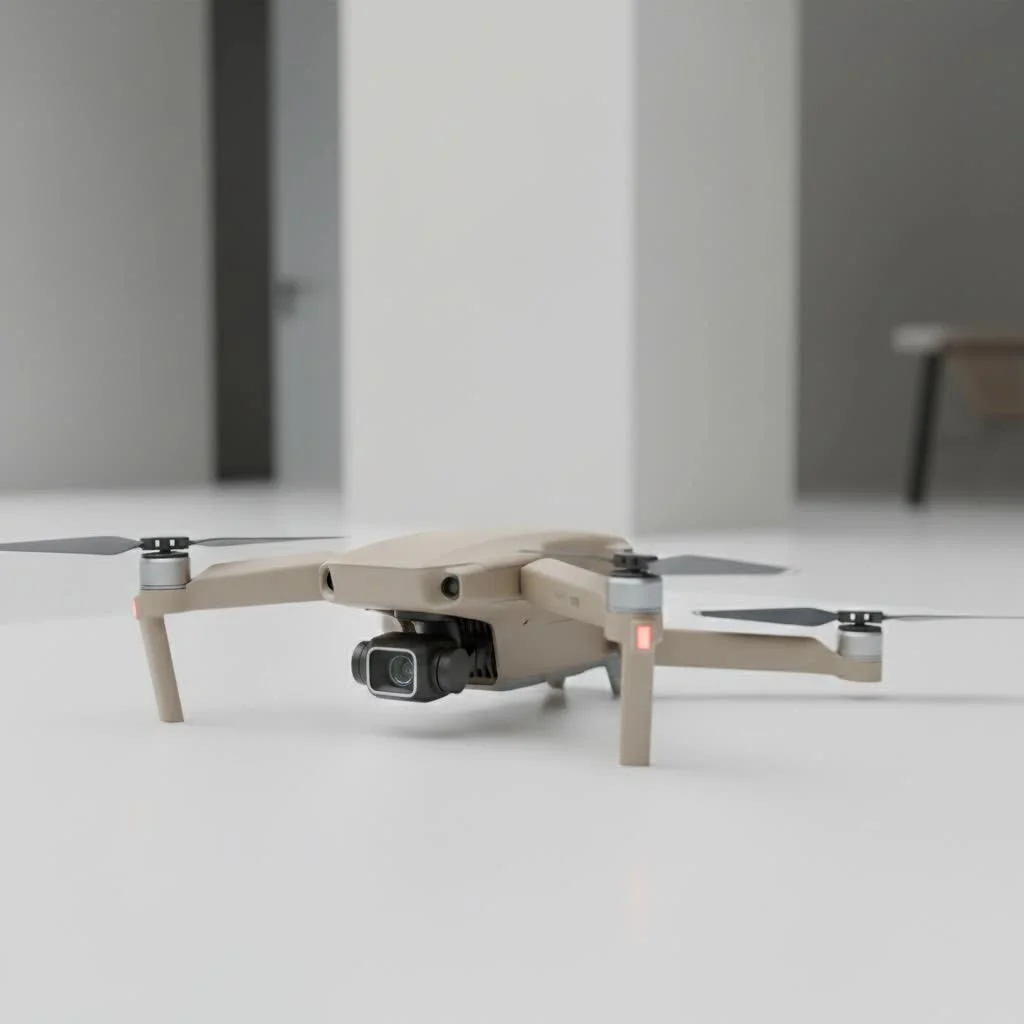
This guide breaks down drone pricing by exploring key cost factors and examining different price tiers. This information will help you find the perfect balance between features and your budget, ensuring your investment helps you take to the skies with confidence.
What Factors Influence Drone Price?
Understanding why one drone costs $70 and another costs $2,000 is the first step to making a smart purchase. The price tag directly reflects the technology packed inside. Several key components and features have the biggest impact on the final cost.
Camera Quality and Gimbal Stabilization
The camera is often the most significant price driver.
- Resolution & Sensor Size: Entry-level drones might offer a 720p or 1080p camera. Mid-range and professional models boast 4K, 5.7K, or even 8K video capabilities with larger sensors that perform better in low light.
- Gimbal: A gimbal is a pivoting mount that keeps the camera steady even when the drone is moving, tilting, or being buffeted by wind. The cheapest drones have no stabilization. Better ones use digital stabilization, but the gold standard is a 3-axis mechanical gimbal, which provides buttery-smooth footage and is a hallmark of prosumer and professional models.
Flight Performance and Battery Life
How a drone handles in the air is critical. More expensive drones offer superior flight characteristics.
- Flight Time: A toy drone might only fly for 5-8 minutes. Hobbyist drones typically offer 15-25 minutes, while professional models consistently exceed 30 minutes per battery. Longer flight times require more advanced battery technology and more efficient motors, increasing the price.
- Range: The distance you can fly the drone from its controller is a major factor. Cheap drones may only have a range of 50-100 meters, while high-end models can be controlled from over 10 miles (15+ km) away thanks to sophisticated transmission systems like DJI’s OcuSync.
Intelligent Features and Sensors
Modern drones are packed with smart technology that makes them easier and safer to fly.
- GPS: Global Positioning System (GPS) is a major upgrade. It allows the drone to hold its position in the wind, return to its takeoff point automatically if it loses connection, and enables intelligent flight modes. It’s a standard feature on anything above the toy category.
- Obstacle Avoidance: Advanced sensors (visual, infrared, and ultrasonic) scan the environment to detect and avoid obstacles. Basic systems might only have forward-facing sensors, while premium drones have 360-degree protection, making crashes far less likely.
- Automated Flight Modes: Features like Follow Me, Orbit (Point of Interest), and Waypoint navigation rely on advanced software and sensors. These modes allow you to capture complex, cinematic shots automatically, and they add to the overall drone price.
Build Quality and Brand Reputation
|
Our Picks for the Best Drone in 2026
As an Amazon Associate I earn from qualifying purchases.
|
||
| Num | Product | Action |
|---|---|---|
| 1 | DJI Mini 5 Pro Fly More Combo with DJI RC 2, Drone with Camera, 1-Inch CMOS, 4K Drone for Beginners with Omnidirectional Obstacle Sensing, ActiveTrack 360°, 225° Gimbal Rotation, 3 Batteries |

|
| 2 | Drone with Camera - Drones for Adults, with 2 Batteries, Carrying Case, Propellers, 1080P HD Foldable Drone with Stable Hover, Trajectory Flight, Gravity Control, One Key Take Off/Land, 3D Flip |
|
| 3 | Drone with Camera for Adults, 2K HD FPV Drones with Upgrade Altitude Hold, One-Key Take Off/Landing, Speed Adjustment, Headless Mode, 2 Batteries, Toys Gifts for Teen Boys Girls, Beginner |
|
| 4 | Drone with Camera 1080P HD FPV Foldable Drone for Adults and Beginners, RC Quadcopter with Gravity Control, One Key Take Off/Land, Optical Flow Positioning, 360° Flip, 3 Speed Mode, Waypoint Fly Grey |
|
| 5 | LỖI |
|
| 6 | DJI Neo Three-Battery Combo, Mini Drone with 4K UHD Camera for Adults, 135g Self Flying Drone that Follows You, Palm Takeoff, Subject Tracking, QuickShots, Stabilized Video (Controller-Free) |
|
| 7 | Drone with 1080P Camera for Beginners and Adults, Foldable Remote Control Quadcopter with Voice Control, Gestures Selfie, Altitude Hold, One Key Start, 3D Flips, 2 Batteries, Toy for Beginners |
|
| 8 | DJI Neo, Mini Drone with 4K UHD Camera for Adults, 135g Self Flying Drone that Follows You, Palm Takeoff, Subject Tracking, QuickShots, Stabilized Video, Built-In Propeller Guard (Controller-Free) |
|
| 9 | DJI Mini 3 Fly More Combo (DJI RC), Drones with Camera for Adults 4K, 3 Batteries for 114-min Flight Time, Vertical Shooting, 32800ft (10km) Video Transmission, Lightweight Mini Drone for Beginners |
|
| 10 | DJI Mini 3 (DJI RC), Lightweight 3x Mechanical Gimbal Drones with Camera for Adults 4K, 38-min Flight Time, up to 32800ft (10km) Video Transmission, Vertical Shooting, GPS Auto Return Integrated |
|
A drone’s physical construction and the company behind it play a crucial role in its price. Drones from reputable brands like DJI, Autel Robotics, and Skydio have years of research and development behind them, leading to more reliable hardware, polished software, and better customer support. They often use premium materials like carbon fiber and magnesium alloys for a lightweight yet durable frame.
“You’re not just paying for the drone itself; you’re investing in the ecosystem,” explains seasoned aerial photographer David Chen. “With a leading brand, you get a reliable controller, a user-friendly app that’s constantly updated, and a wide range of compatible accessories. That reliability is priceless when your drone is a mile away over water.”
A Drone Price Breakdown by Tiers
To simplify things, drones can be grouped into several distinct price brackets. Each tier offers a different level of performance and is suited for a different type of user.
Toy Drones: Under $100
This is the entry point into the world of drones. These are small, lightweight quadcopters designed for fun and for learning basic controls indoors.
- Who they’re for: Kids and absolute beginners who want to see if they enjoy flying without a significant financial commitment.
- What you get: Very short flight times (5-10 minutes), limited range, basic controls, and either no camera or a very low-quality one. They lack GPS, so they are difficult to fly outdoors in any wind.
Beginner & Hobbyist Drones: $100 – $500
This category is the sweet spot for most new pilots who are serious about the hobby. The jump in quality and features from the toy category is immense.
- Who they’re for: Aspiring aerial photographers and hobbyists who want a reliable, easy-to-fly drone with a decent camera.
- What you get: GPS for stable hovering and a return-to-home safety feature. Flight times typically range from 20 to 30 minutes. Cameras are often capable of shooting 2.7K or 4K video, though they may lack some advanced settings. Some models in the higher end of this range even include a 3-axis gimbal.
Prosumer Drones: $500 – $2,000
This is where high-end consumer technology meets professional-grade features. These drones are powerful tools for content creators, small business owners, and serious enthusiasts. The DJI Air and Mini series are dominant players in this space.
- Who they’re for: YouTubers, freelance photographers, real estate agents, and experienced hobbyists demanding high-quality imaging and reliable performance.
- What you get: Excellent 4K/60fps (or better) cameras with large sensors on 3-axis gimbals. Flight times consistently exceed 30 minutes. You’ll find multi-directional obstacle avoidance, long-range transmission systems, and a full suite of intelligent flight modes.
Professional Drones: $2,000+
Welcome to the top tier. These drones are specialized equipment for professional cinematographers, surveyors, agricultural specialists, and public safety departments.
- Who they’re for: Film crews, mapping professionals, and industrial inspection teams.
- What you get: The best possible image quality, often with interchangeable lenses and cameras that can shoot in high-end formats like Apple ProRes. They feature unparalleled flight stability, RTK/PPK for centimeter-level positioning accuracy, thermal imaging capabilities, and robust builds designed for daily work in challenging conditions.
How Much Should You Spend on Your First Drone?
For a first-time buyer who wants to do more than just fly in the backyard, the ideal budget is between $300 and $500. A drone in this price range provides the best balance of performance, features, and value. It will have GPS, a decent camera, and long enough battery life to be genuinely useful and fun. Starting here avoids the frustration of a cheap, uncontrollable toy drone while not breaking the bank.
the Hidden Costs
The initial drone price is just the beginning. To get the most out of your new equipment, you will need to budget for some essential accessories.
- Extra Batteries: A single battery provides about 30 minutes of flight. You will want at least two or three to have a decent amount of time in the field.
- High-Speed MicroSD Cards: To record high-resolution 4K video, you need a fast memory card.
- A Good Carrying Case: Protect your investment with a dedicated bag or hard case.
- ND Filters: These are like sunglasses for your drone’s camera, allowing you to shoot smooth, cinematic video in bright daylight.
- Registration and Insurance: Depending on your country and the drone’s weight, you may need to register it with an aviation authority (like the FAA in the United States). Drone insurance is also highly recommended.
Frequently Asked Questions (FAQ)
What is a good drone price for a beginner?
A price range of $300 to $500 is an excellent starting point for a beginner. This gets you a drone with crucial features like GPS, a good camera, and solid battery life, offering a great learning platform without being overly expensive.
Why are DJI drones so expensive?
DJI invests heavily in research and development. Their higher price reflects superior hardware, highly reliable software, industry-leading transmission and safety technology, and a polished user experience. You are paying for a complete, well-integrated system.
Can I get a good drone with a camera for under $200?
Yes, you can find drones with cameras for under $200, but there will be compromises. While they can be fun to fly, expect shorter flight times, lower video quality, and a lack of features like GPS and advanced stabilization.
What’s the price of a drone for professional photography?
A drone for professional photography typically starts around $800 and can go up to $3,000 or more. This price range ensures you get a large camera sensor, high-resolution video, a 3-axis gimbal, and the reliability needed for commercial work.
Do drone prices go down over time?
Yes, like most consumer electronics, drone prices tend to decrease over time. When a new model is released, the price of the previous generation often drops, making it a great value for those who don’t need the absolute latest technology.
Your Journey to the Skies Starts Now
Choosing a drone is a personal journey, and the right drone price is the one that aligns with your ambitions and your wallet. By understanding the factors that drive cost—from camera quality to intelligent flight modes—you can confidently select a model that will meet your needs. Whether you are capturing family vacations, creating stunning content, or simply enjoying the thrill of flight, there is a drone out there for you. Define your purpose, set your budget, and get ready to see the world from a breathtaking new perspective.
Frequently Asked Questions
What is a good drone price for a beginner?
A price range of $300 to $500 is an excellent starting point for a beginner. This gets you a drone with crucial features like GPS, a good camera, and solid battery life, offering a great learning platform without being overly expensive.
Why are DJI drones often more expensive than other brands?
DJI invests heavily in research and development, which contributes to their higher price. This reflects superior hardware, highly reliable software, industry-leading transmission and safety technology, and a polished user experience, providing a complete, well-integrated system.
Can I get a good drone with a camera for under $200?
Yes, you can find drones with cameras for under $200, but there will be compromises. While they can be fun to fly, expect shorter flight times (e.g., 5-10 minutes), lower video quality, and a lack of features like GPS and advanced stabilization.
What is the typical price range for a drone used in professional photography?
A drone for professional photography typically starts around $800 and can go up to $3,000 or more. This price range ensures you get a large camera sensor, high-resolution video (e.g., 4K/60fps), a 3-axis gimbal, and the reliability needed for commercial work.
Do drone prices decrease over time after new models are released?
Yes, like most consumer electronics, drone prices tend to decrease over time. When a new model is released, the price of the previous generation often drops, making it a great value for those who don't need the absolute latest technology.
Get our weekly buyer guide
Practical specs, not advice. Unsubscribe anytime.
I was so confused about drone prices before reading this. I really wanted something with GPS and a decent camera, but didn’t want to spend a fortune. This helped me narrow down my search to the $300-$500 range, which feels much more manageable for a beginner like me. Thanks for breaking it all down!
This was exactly what I needed! I’m just getting into drones and had no idea where to start with pricing. Understanding that professional-grade equipment can go over $2,000 really put things into perspective. I feel much more confident now about finding a drone that fits my budget and needs without overspending.
Good info overall, but I was hoping for a bit more detail on specific brands in each price tier. It mentions brand reputation influences price, but doesn’t really give examples of which brands are good value at the $300-$500 level. Still, it’s a solid starting point for understanding drone costs.
Great overview! I’ve been looking to upgrade from a basic toy model and was eyeing some drones around the $70 mark, but now I understand why those might not be the best long-term investment. The breakdown of how camera quality impacts the price was particularly helpful. Definitely makes me rethink my budget a bit.