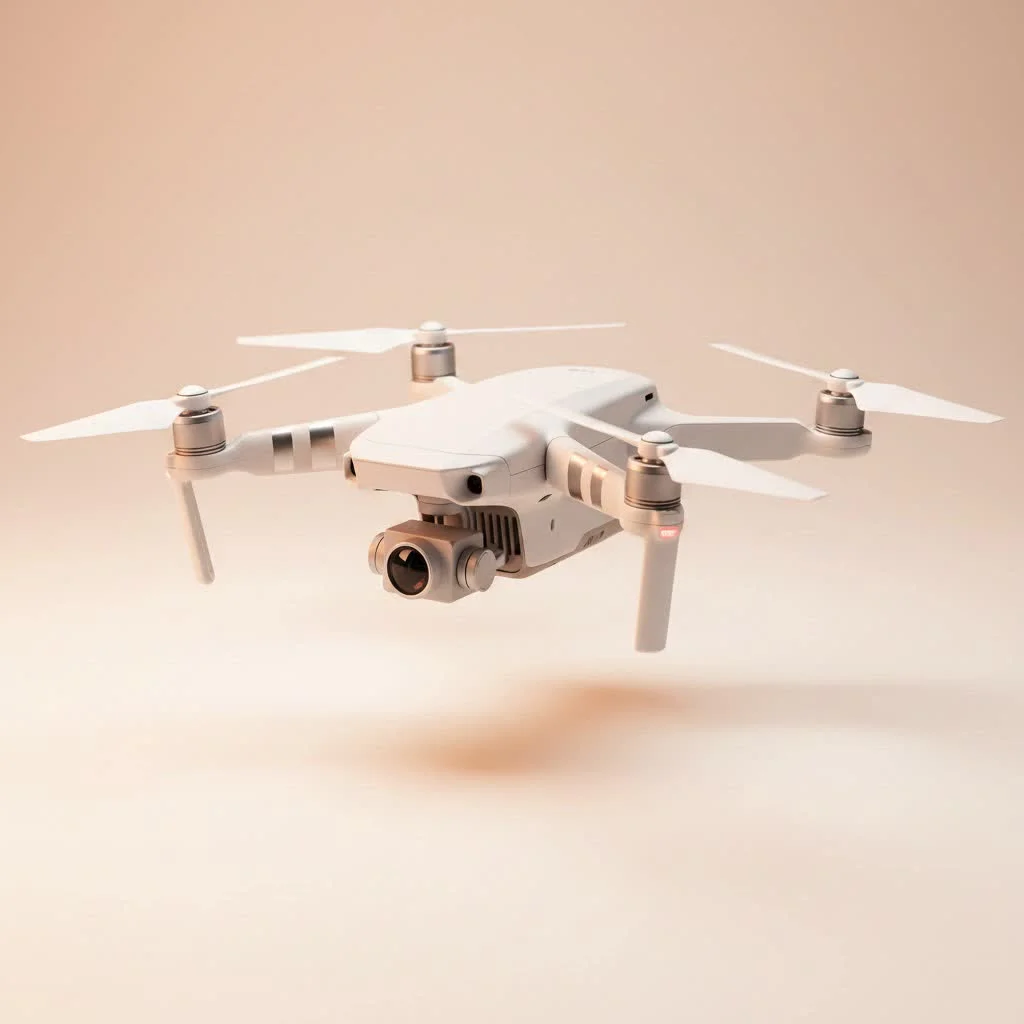
A toy drone is the ideal starting point for aspiring pilots, offering an affordable, easy-to-fly introduction to the world of aerial vehicles. These drones are specifically designed for beginners, typically costing between $20 and $100, and feature simplified controls and durable construction to withstand initial learning bumps. They serve as an excellent training ground to build confidence and master basic flight before transitioning to more advanced models.
At RVSWS, we believe that everyone should have the chance to experience the joy of flying. This comprehensive guide is built on over 15 years of hands-on experience to help you navigate your first purchase and flight. We’ll cover everything from choosing the right model to flying safely and responsibly, ensuring your journey into the drone hobby is as smooth and enjoyable as possible. For shop curated consumer on this site.
What Exactly Sets a Toy Drone Apart?
It’s easy to get confused with all the different types of drones on the market. So, what makes a toy drone different from its more serious cousins, the hobby-grade and professional drones? The distinction comes down to three key areas: simplicity, durability, and purpose.
- Simplicity and Ease of Use: Toy drones are built for beginners. They typically feature simplified controls, automated functions like auto-hover and one-key takeoff/landing, and are ready to fly straight out of the box. Their primary purpose is recreation and learning the fundamentals of flight control.
- Durability and Safety: Manufacturers know these drones will have their fair share of bumps and crashes. They are often made from lightweight, resilient plastics and come equipped with propeller guards to protect the drone, the pilot, and your home’s furniture from damage.
- Cost and Performance: A toy drone is significantly more affordable, with prices ranging from $20 to just under $100. This low barrier to entry makes them accessible to everyone. In exchange, their flight time is shorter (usually 5-10 minutes per battery), their range is limited, and any included camera will be for basic fun, not cinematic masterpieces.
As our lead technician at RVSWS, Alex Carter, often says, “Think of a toy drone as your learner’s permit for the sky. It’s not about capturing Hollywood-level footage; it’s about mastering the sticks, understanding orientation, and having a blast while you do it.”
Who is a Toy Drone Perfect For?
While the name suggests they are just for kids, the appeal of a toy drone is much broader. They are an excellent choice for a wide range of aspiring pilots and casual flyers.
The Ideal Candidates
|
Our Picks for the Best Drone in 2026
As an Amazon Associate I earn from qualifying purchases.
|
||
| Num | Product | Action |
|---|---|---|
| 1 | Drone with Camera - Drones for Adults, with 2 Batteries, Carrying Case, Propellers, 1080P HD Foldable Drone with Stable Hover, Trajectory Flight, Gravity Control, One Key Take Off/Land, 3D Flip |

|
| 2 | Drone with Camera for Adults, 2K HD FPV Drones with Upgrade Altitude Hold, One-Key Take Off/Landing, Speed Adjustment, Headless Mode, 2 Batteries, Toys Gifts for Teen Boys Girls, Beginner |
|
| 3 | Drone with 1080P Camera for Beginners and Adults, Foldable Remote Control Quadcopter with Voice Control, Gestures Selfie, Altitude Hold, One Key Start, 3D Flips, 2 Batteries, Toy for Beginners |
|
| 4 | DJI Neo, Mini Drone with 4K UHD Camera for Adults, 135g Self Flying Drone that Follows You, Palm Takeoff, Subject Tracking, QuickShots, Stabilized Video, Built-In Propeller Guard (Controller-Free) |
|
| 5 | DJI Mini 3 Fly More Combo (DJI RC), Drones with Camera for Adults 4K, 3 Batteries for 114-min Flight Time, Vertical Shooting, 32800ft (10km) Video Transmission, Lightweight Mini Drone for Beginners |
|
| 6 | LỖI |
|
| 7 | DJI Mini 5 Pro Fly More Combo with DJI RC 2, Drone with Camera, 1-Inch CMOS, 4K Drone for Beginners with Omnidirectional Obstacle Sensing, ActiveTrack 360°, 225° Gimbal Rotation, 3 Batteries |
|
| 8 | DJI Neo Three-Battery Combo, Mini Drone with 4K UHD Camera for Adults, 135g Self Flying Drone that Follows You, Palm Takeoff, Subject Tracking, QuickShots, Stabilized Video (Controller-Free) |
|
| 9 | Drone with Camera 1080P HD FPV Foldable Drone for Adults and Beginners, RC Quadcopter with Gravity Control, One Key Take Off/Land, Optical Flow Positioning, 360° Flip, 3 Speed Mode, Waypoint Fly Grey |
|
| 10 | DJI Mini 3 (DJI RC), Lightweight 3x Mechanical Gimbal Drones with Camera for Adults 4K, 38-min Flight Time, up to 32800ft (10km) Video Transmission, Vertical Shooting, GPS Auto Return Integrated |
|
- Absolute Beginners: If you have never flown a drone before, this is your starting point. Crashing a $50 drone is a much less painful lesson than crashing a $500 one.
- Children and Teenagers: Under supervision, they are a fantastic STEM educational tool, teaching basic principles of physics, aerodynamics, and robotics in an engaging way.
- Indoor Flying Enthusiasts: Their small size and safety features make them perfect for navigating living rooms and offices, especially on a rainy day.
- Anyone Looking for Casual Fun: You don’t need a serious purpose to enjoy flying. A toy drone is a great gadget for weekend fun in the backyard or at the park.
How to Choose the Best Toy Drone: A Beginner’s Checklist
With countless options available, picking your first toy drone can feel overwhelming. Focus on these key features to ensure you get a model that’s fun, safe, and easy to handle.
Key Features to Look For
- Durability: Look for models with built-in propeller guards and a sturdy frame. Some even have flexible, crash-resistant materials. This is non-negotiable for your first drone.
- Ease of Use: Features like Altitude Hold (which keeps the drone hovering at a set height automatically) and Headless Mode (which makes orientation easier for beginners) are incredibly helpful.
- Flight Time: Most toy drones offer 5-10 minutes of flight time. Look for packages that include multiple batteries so you can easily swap them out and extend your fun without long waits for recharging.
- Safety Features: One-key takeoff and landing, an emergency stop button, and low-battery warnings are excellent features that can prevent accidents and lost drones.
- Camera (Optional): Don’t expect high-quality video, but having a small camera can add another layer of fun. Some can even stream a first-person view (FPV) to your phone, giving you a pilot’s-eye perspective.
| Feature | What to Look For | Why It’s Important |
|---|---|---|
| Safety | Propeller Guards, Emergency Stop | Protects the drone, people, and property during the inevitable first crashes. |
| Stability | Altitude Hold, 6-Axis Gyro | Makes the drone easier to control, allowing you to focus on movement, not just staying airborne. |
| Battery Life | Multiple Included Batteries | Maximizes your flight session and fun by minimizing downtime for charging. |
| Controls | Dedicated Controller, Simple Layout | A physical controller provides better tactile feedback and control than flying with a smartphone app. |
Flying Your Toy Drone Safely and Responsibly
Once you’ve unboxed your new drone, the temptation is to get it in the air immediately. But taking a few minutes to prepare will ensure your flight is safe and successful. A little preparation goes a long way.
Pre-Flight Checklist
- [ ] Read the Manual: Yes, really! It contains vital information about your drone’s specific features and controls.
- [ ] Charge Your Batteries: Fully charge the drone battery and the controller’s batteries.
- [ ] Calibrate the Gyro: Most drones require a quick calibration on a flat surface before flight. This ensures stable hovering.
- [ ] Check Your Surroundings: Choose a large, open space away from people, pets, trees, and power lines. An open field is ideal for your first outdoor flight.
- [ ] Know the Weather: Toy drones are very light and struggle against even a light breeze. For your first few flights, fly indoors or outdoors on a completely calm day.
Understanding Basic Flight Rules
Even for a toy drone, it’s important to be a responsible pilot. In the United States, drones under 250 grams (0.55 lbs), which includes almost all toy models, do not need to be registered with the FAA. However, you must still fly safely. Always keep your drone within your line of sight and never fly over crowds of people or near airports.
Frequently Asked Questions (FAQ)
How long do toy drone batteries last?
Typically, a toy drone battery will provide between 5 and 10 minutes of flight time. This is why it’s highly recommended to purchase a model that comes with at least two or three extra batteries to prolong your enjoyment.
Can toy drones be flown outside?
Yes, they can, but with caution. Because of their light weight, they are very susceptible to wind. It’s best to fly them outdoors only on calm days with little to no breeze to avoid losing control or having the drone fly away.
What is the difference between a toy drone and a mini drone?
The terms are often used interchangeably. Most toy drones are mini (small), but not all mini drones are toys. Some advanced mini drones pack powerful cameras and features into a small frame. A toy drone is specifically defined by its beginner-friendly features, low cost, and durable design.
How much should I spend on a good toy drone?
A great toy drone for a beginner can be found in the $30 to $70 range. In this sweet spot, you’ll find models with all the essential features like altitude hold, propeller guards, and multiple batteries. Spending less might get you a drone that’s frustratingly difficult to fly, while spending more pushes you into the hobby-grade category.
Do I need a license to fly a toy drone?
No, you do not need a license to fly a toy drone for recreational purposes. As long as the drone weighs less than 250 grams, you also do not need to register it with the FAA in the United States. However, you are still responsible for flying it safely.
Your Adventure in Flight Starts Now
A toy drone is more than just a plaything; it’s your passport to a new hobby and a new perspective on the world. It’s the perfect, low-risk way to develop piloting skills, learn about technology, and, most importantly, have an incredible amount of fun. By starting small and focusing on the fundamentals of safe and controlled flight, you’re building a foundation for whatever your drone journey may hold. So choose a model, find an open space, and get ready for takeoff. The sky is waiting for you.
Frequently Asked Questions
How long do toy drone batteries typically last during flight?
Typically, a toy drone battery provides between 5 and 10 minutes of flight time. It is highly recommended to purchase a model that includes at least two or three extra batteries to extend your enjoyment without long waits for recharging.
Can toy drones be safely flown outdoors, or are they only for indoors?
Yes, toy drones can be flown outdoors, but with caution. Due to their light weight, they are very susceptible to wind. It is best to fly them outdoors only on calm days with little to no breeze to avoid losing control or having the drone fly away.
What is the key difference between a toy drone and a mini drone?
While the terms are often used interchangeably, a toy drone is specifically defined by its beginner-friendly features, low cost (typically $20-$100), and durable design. Most toy drones are mini (small), but not all mini drones are toys; some advanced mini drones pack powerful cameras and features into a small frame.
How much should a beginner expect to spend on a good toy drone?
A great toy drone for a beginner can be found in the $30 to $70 range. In this sweet spot, you'll find models with essential features like altitude hold, propeller guards, and often multiple batteries. Spending less might lead to a frustrating experience, while spending more typically moves into hobby-grade categories.
Is a license or registration required to fly a toy drone in the United States?
No, you do not need a license to fly a toy drone for recreational purposes. As long as the drone weighs less than 250 grams (0.55 lbs), you also do not need to register it with the FAA in the United States. However, you are still responsible for flying it safely and within visual line of sight.
How to Choose Your First Toy Drone
Selecting your first toy drone involves focusing on key features that ensure a fun, safe, and easy-to-handle experience for beginners.
Look for models with built-in propeller guards and a sturdy frame, ideally made from flexible, crash-resistant materials. This is crucial for beginners who are likely to experience initial bumps and crashes.
Seek out features like Altitude Hold, which automatically maintains a set height, and Headless Mode, which simplifies orientation for new pilots. These functions significantly reduce the learning curve.
Most toy drones offer 5-10 minutes of flight time per battery. Opt for packages that include multiple batteries to allow for longer play sessions without frequent recharging interruptions.
Look for one-key takeoff and landing, an emergency stop button, and low-battery warnings. These features can prevent accidents, protect the drone, and help avoid losing it during flight.
While not essential for learning, a small camera can add fun. Don't expect high-quality video; some models offer basic first-person view (FPV) streaming to your phone for a pilot's perspective.
Get our weekly buyer guide
Practical specs, not advice. Unsubscribe anytime.
I got a toy drone based on the recommendation for an affordable introduction. While it’s definitely easy to fly, I found the battery life on my specific model to be a bit shorter than I hoped. It’s great for quick sessions, but I wish it lasted a little longer before needing a recharge. Still, it’s a good starting point for learning.
As someone with zero drone experience, I really appreciated the emphasis on toy drones being an excellent training ground. I’ve been practicing basic flight maneuvers and it’s been incredibly fun and rewarding. It’s exactly what I needed to get comfortable with the controls before moving up to something more complex.
I picked up a toy drone after reading about how they’re perfect for beginners, and it’s been a blast! The simplified controls really made it easy to get the hang of flying without feeling overwhelmed. I’ve crashed it a few times, but the durable construction mentioned in the guide means it’s still going strong. Definitely a great way to start out.
This guide was super helpful in convincing me to finally try a toy drone. I was hesitant about the cost, but finding one in the $20-$100 range made it a no-brainer. It’s a fantastic way to build confidence before investing in a more expensive model. I’m already eyeing some advanced drones for later!