Have you ever watched a high-speed chase in a sci-fi movie and wished you could be in the cockpit? That heart-pounding, adrenaline-fueled experience is no longer just for the big screen. Welcome to the world of Fpv Drone Racing, a thrilling sport that combines the technical skill of building and tuning with the reflexes of a fighter pilot. It’s a hobby that puts you directly in the driver’s seat of a high-performance quadcopter, seeing what it sees as you blast through courses at incredible speeds. This guide is your launchpad, designed to take you from a curious spectator to a confident pilot ready to navigate the skies.
What Exactly is FPV Drone Racing?
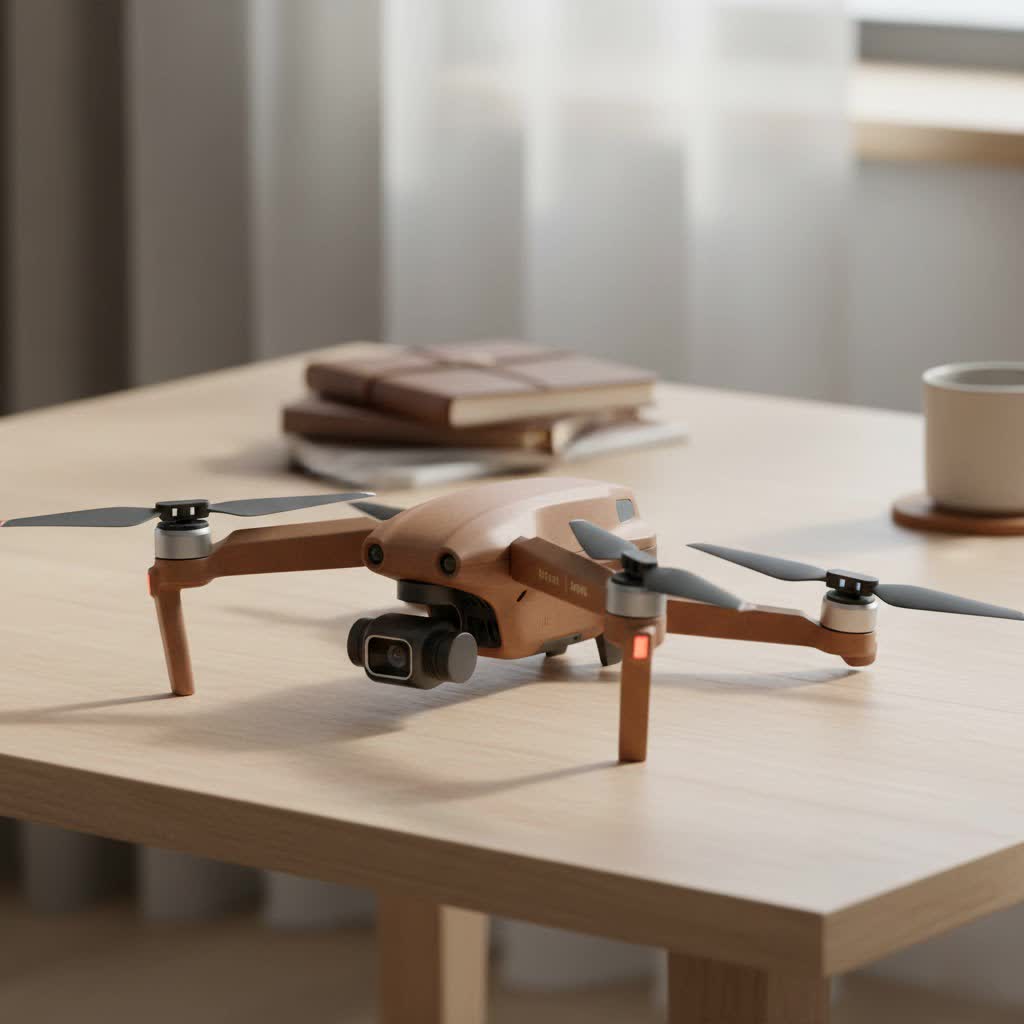
FPV stands for First-Person View. Unlike standard photography drones where you watch the aircraft from the ground, FPV drone racing puts you inside the machine. A small camera on the front of the drone transmits a live video feed directly to a pair of goggles you wear. The result is a completely immersive experience. You’re not just flying a drone; you are the drone.
Imagine weaving through gates, diving under obstacles, and executing hairpin turns at over 100 mph. The world blurs into streaks of color, and your focus narrows to the track ahead. It’s a high-octane blend of video gaming and real-world motorsport that demands split-second decisions and precise control. This is the core of what makes FPV drone racing one of the fastest-growing tech sports on the planet.
Getting Started: The Essential Gear
Diving into FPV can seem intimidating because of the gear involved. But breaking it down makes it manageable. You’ll need four main components to get started.
The FPV Drone (The Quadcopter)
This is your racing machine. FPV drones are built for speed, agility, and durability—crashing is an inevitable part of learning. You generally have three options:
- Ready-to-Fly (RTF): These kits come with everything you need: the drone, goggles, and a controller, all pre-configured to work together. They are the simplest way to start but may lack the performance and customizability of other options.
- Bind-and-Fly (BNF): A BNF drone is a fully assembled quadcopter. You just need to buy your own controller and goggles and “bind” them to the drone. This is a great middle-ground, offering better quality components without requiring you to build from scratch.
- Do-It-Yourself (DIY): For the true enthusiast, building your own drone is the ultimate experience. You select every component—from the frame and motors to the flight controller—and assemble it yourself. This route offers the most customization and teaches you how to repair your drone, which is an invaluable skill.
|
Our Picks for the Best Drone in 2026
As an Amazon Associate I earn from qualifying purchases.
|
||
| Num | Product | Action |
|---|---|---|
| 1 | Drone with Camera 1080P HD FPV Foldable Drone for Adults and Beginners, RC Quadcopter with Gravity Control, One Key Take Off/Land, Optical Flow Positioning, 360° Flip, 3 Speed Mode, Waypoint Fly Grey |

|
| 2 | DJI Neo, Mini Drone with 4K UHD Camera for Adults, 135g Self Flying Drone that Follows You, Palm Takeoff, Subject Tracking, QuickShots, Stabilized Video, Built-In Propeller Guard (Controller-Free) |
|
| 3 | DJI Mini 5 Pro Fly More Combo with DJI RC 2, Drone with Camera, 1-Inch CMOS, 4K Drone for Beginners with Omnidirectional Obstacle Sensing, ActiveTrack 360°, 225° Gimbal Rotation, 3 Batteries |
|
| 4 | DJI Neo Three-Battery Combo, Mini Drone with 4K UHD Camera for Adults, 135g Self Flying Drone that Follows You, Palm Takeoff, Subject Tracking, QuickShots, Stabilized Video (Controller-Free) |
|
| 5 | LỖI |
|
| 6 | DJI Mini 3 (DJI RC), Lightweight 3x Mechanical Gimbal Drones with Camera for Adults 4K, 38-min Flight Time, up to 32800ft (10km) Video Transmission, Vertical Shooting, GPS Auto Return Integrated |
|
| 7 | DJI Mini 3 Fly More Combo (DJI RC), Drones with Camera for Adults 4K, 3 Batteries for 114-min Flight Time, Vertical Shooting, 32800ft (10km) Video Transmission, Lightweight Mini Drone for Beginners |
|
| 8 | Drone with Camera - Drones for Adults, with 2 Batteries, Carrying Case, Propellers, 1080P HD Foldable Drone with Stable Hover, Trajectory Flight, Gravity Control, One Key Take Off/Land, 3D Flip |
|
| 9 | Drone with Camera for Adults, 2K HD FPV Drones with Upgrade Altitude Hold, One-Key Take Off/Landing, Speed Adjustment, Headless Mode, 2 Batteries, Toys Gifts for Teen Boys Girls, Beginner |
|
| 10 | Drone with 1080P Camera for Beginners and Adults, Foldable Remote Control Quadcopter with Voice Control, Gestures Selfie, Altitude Hold, One Key Start, 3D Flips, 2 Batteries, Toy for Beginners |
|
The Goggles: Your Window to the Skies
Your goggles are your most important connection to the drone. They determine the quality of your visual feed. The biggest choice you’ll make is between analog and digital systems.
- Analog: This is the traditional technology. It offers very low latency (the delay between the drone’s camera and your screen), which is critical for racing. The image quality is lower, and it’s susceptible to static, but it’s more affordable and handles signal breakup gracefully.
- Digital: A newer technology, digital systems provide a stunningly clear, high-definition video feed. The experience is more cinematic, but they typically have slightly higher latency and are more expensive. When the signal weakens, the image can freeze or degrade in blocks rather than showing static.
The Radio Transmitter (The Controller)
This is your steering wheel, throttle, and brake all in one. The radio transmitter is how you communicate with your drone. You’ll use the two control sticks (gimbals) to control the drone’s pitch, roll, yaw, and throttle. When choosing a transmitter, consider its comfort in your hands, the quality of the gimbals, and the communication protocol it uses to ensure it’s compatible with your drone’s receiver.
Batteries and Chargers
FPV racing drones are powered by high-performance Lithium Polymer (LiPo) batteries. You’ll need to understand a few basics, like voltage (indicated by “S,” e.g., 4S, 6S) and capacity (mAh). LiPo battery safety is paramount. Always use a proper LiPo charger, never leave charging batteries unattended, and store them in a fire-safe bag.
Your First Steps: From Simulator to Airfield
You’ve got the gear. Now what? Don’t rush out to the field just yet. Following a structured path will save you a lot of time, money, and broken propellers.
Step 1: Master the Simulator
Before your first real flight, spend hours in an FPV simulator. Programs like VelociDrone, Liftoff, and DRL Sim allow you to connect your actual radio transmitter to your computer and fly in a virtual world. This is not just a game; it’s a critical training tool.
“The simulator is the single best investment a new pilot can make. Every crash in the sim is a free lesson. Every crash in the real world costs you time and money. Learn the physics and muscle memory on the computer before you put a real quad in the air.”
— Alex ‘Vortex’ Jensen, veteran FPV race organizer.
Practice taking off, landing, and making basic turns until it feels second nature. This will build the muscle memory you need for real-world flying.
Step 2: Learn the Laws
Drones are regulated aircraft. In the United States, you’ll need to register with the FAA and follow their guidelines, which include passing The Recreational UAS Safety Test (TRUST). Always research and abide by the specific drone laws in your country and local area. This includes rules about where you can fly and whether you need a spotter.
Step 3: Find a Safe Place to Fly
Your first flights should be in a large, open area with no people, cars, or buildings around. An empty park, a secluded field, or a designated club airfield are ideal locations. Give yourself plenty of room for error. Remember, from your FPV goggles, your sense of proximity can be misleading.
Step 4: Your First Real Flight
For your first few battery packs, keep it simple. Practice hovering, flying in straight lines, and making gentle turns. You might even want to fly “line of sight” (watching the drone from the ground) for a minute to get a feel for the controls before putting your goggles on. The goal isn’t to be fast; it’s to be in control.
Joining the Community: Where to Find FPV Drone Races
FPV drone racing is as much a community as it is a sport. Flying with others is the best way to learn, improve, and eventually compete.
- Local Clubs: Search online for FPV or drone racing clubs in your area. These groups often organize casual fly-ins and practice sessions.
- Major Leagues: Organizations like MultiGP in the United States have chapters all over the country (and the world) that host official races. This is where you can test your skills against other pilots on standardized courses.
- Online Communities: Forums and social media groups are invaluable resources for asking questions, sharing your progress, and learning from experienced pilots worldwide.
Frequently Asked Questions (FAQ)
How much does it cost to start FPV drone racing?
A complete beginner setup can range from $300 to $600. This includes a basic ready-to-fly kit or entry-level separate components. High-end digital setups and DIY builds can easily exceed $1,000. Don’t forget to budget for spare parts like propellers and batteries.
Is FPV drone racing hard to learn?
It has a steep learning curve, but it’s incredibly rewarding. The initial controls can feel unnatural, which is why simulator practice is so important. With consistent practice, most people can become competent pilots within a few weeks to a few months.
How fast do FPV racing drones go?
Most racing drones built for courses can reach speeds between 70-100 mph (110-160 km/h). Some specialized, high-performance drones have been clocked at over 150 mph. However, on a technical race track, agility and control are more important than raw top speed.
Can I use a camera drone like a DJI Mavic for racing?
No, camera drones are not suitable for FPV racing. They are designed for stability and smooth cinematic shots, using GPS and other sensors to hold their position. Racing drones are manually flown, built for extreme agility, and stripped down for maximum speed and durability.
What is the main difference between digital and analog FPV?
The key difference is the video feed. Digital FPV offers a crystal-clear, HD image, similar to watching a high-quality video. Analog FPV has a standard-definition image with lower latency and displays signal interference as static, much like an old television set.
Your Journey to the Skies Begins Now
FPV drone racing is more than just a hobby; it’s a gateway to a vibrant community and an exhilarating sport that pushes the boundaries of technology and skill. The journey from unboxing your first drone to navigating a complex race course is challenging but immensely satisfying. It teaches you about electronics, physics, and aerodynamics, all while delivering an unparalleled adrenaline rush. So start practicing in the simulator, connect with your local pilot community, and prepare to experience flight in a way you never thought possible. The sky is waiting.
