Welcome to the ultimate resource for anyone looking to elevate their aerial footage. If you’re ready to move beyond standard HD and capture breathtaking, cinematic-quality video from the sky, a Drone With Camera 4k is your next essential piece of gear. With over 15 years of hands-on experience in the drone industry, I’ve witnessed the incredible evolution of this technology. Today, 4K resolution isn’t just a feature for high-end Hollywood productions; it’s an accessible standard that empowers creators of all levels to produce stunningly detailed and vibrant content. This guide will walk you through everything you need to know, from why 4K matters to how to choose the perfect drone for your needs.
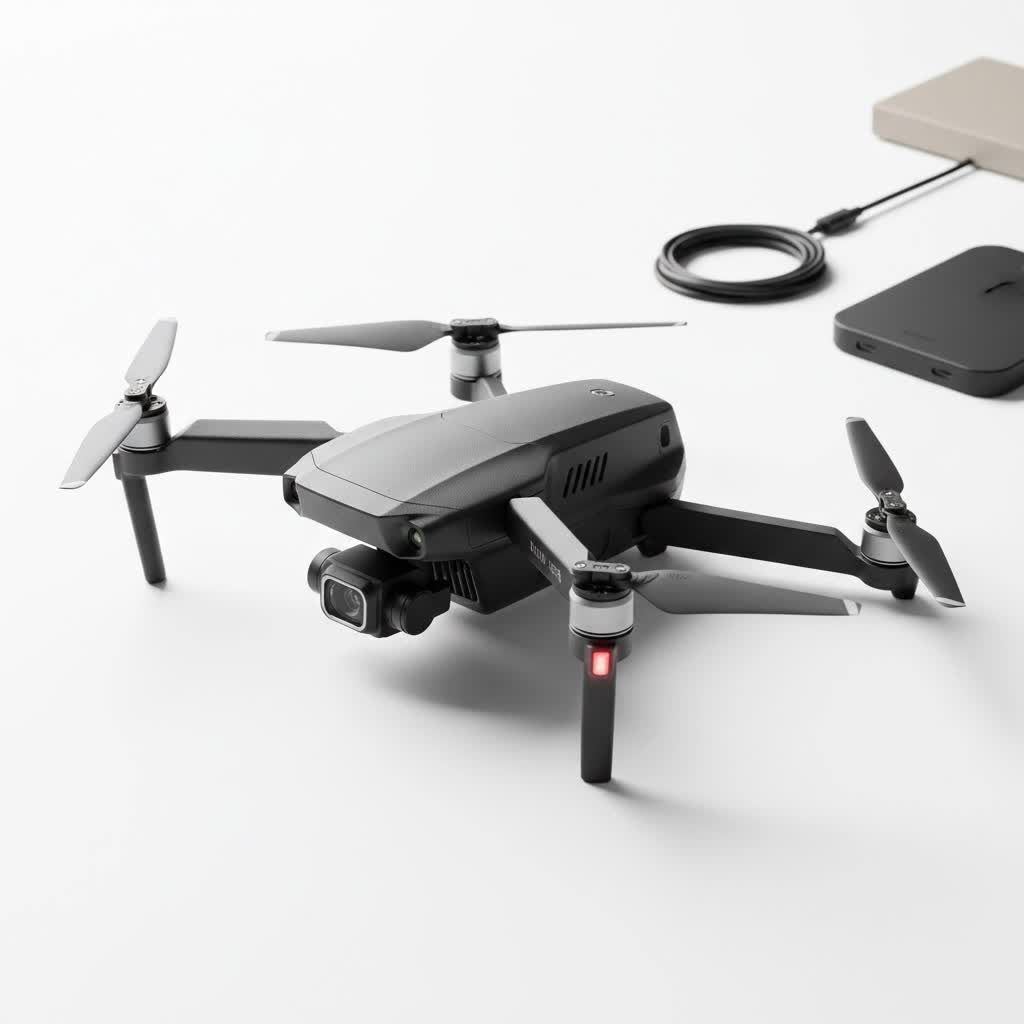
Why Choose a Drone with Camera 4K? The 4K Advantage
You might be wondering if 4K is truly necessary. The short answer is a resounding yes. The difference between standard 1080p HD and 4K (which is technically Ultra High Definition or UHD) is staggering. A 4K image contains four times the number of pixels as a 1080p image, resulting in a level of clarity and detail that is simply unmatched.
- Incredible Detail: Every leaf on a tree, every ripple in the water, every architectural detail is rendered with crisp precision. This makes your footage more immersive and professional.
- Post-Production Flexibility: The extra resolution gives you immense freedom in the editing room. You can crop into your shot, reframe it, or apply digital stabilization without a noticeable loss in quality. It’s like having multiple shots in one.
- Future-Proofing Your Content: As 4K screens become the standard in homes and on devices, producing content in this resolution ensures your work will look sharp and relevant for years to come.
- Improved Digital Zoom: When you need to get a closer look at a subject without physically flying the drone nearer, the high resolution of a 4K camera allows for a cleaner digital zoom compared to lower-resolution cameras.
Key Features to Consider in a 4K Drone
Not all 4K drones are created equal. Beyond the resolution itself, several key components determine the quality of your final footage and your overall flying experience.
Camera and Gimbal Specifications
The heart of any drone with camera 4K is, of course, the camera system. The sensor is the most critical element. A larger sensor, like a 1-inch or 4/3 sensor, can capture more light, which results in better low-light performance, greater dynamic range (the difference between the darkest and brightest parts of the image), and less noise.
Look for these key specs:
- Sensor Size: A 1-inch sensor is a great benchmark for prosumer quality, offering a significant leap over the smaller 1/2.3-inch sensors found in many entry-level models.
- Frame Rate (fps): For smooth, cinematic motion, 24fps or 30fps is standard. For creating epic slow-motion shots, you’ll want a drone capable of shooting 4K at 60fps or even 120fps.
- Bitrate: Measured in Mbps (megabits per second), a higher bitrate means the camera is capturing more data for each second of video. This results in a higher quality image with fewer compression artifacts. Look for drones offering 100 Mbps or more.
- Gimbal Stabilization: A 3-axis mechanical gimbal is non-negotiable. It physically stabilizes the camera, counteracting the drone’s movements to produce perfectly smooth, stable footage, even in windy conditions.
|
Our Picks for the Best Drone in 2026
As an Amazon Associate I earn from qualifying purchases.
|
||
| Num | Product | Action |
|---|---|---|
| 1 | DJI Neo Three-Battery Combo, Mini Drone with 4K UHD Camera for Adults, 135g Self Flying Drone that Follows You, Palm Takeoff, Subject Tracking, QuickShots, Stabilized Video (Controller-Free) |

|
| 2 | DJI Mini 5 Pro Fly More Combo with DJI RC 2, Drone with Camera, 1-Inch CMOS, 4K Drone for Beginners with Omnidirectional Obstacle Sensing, ActiveTrack 360°, 225° Gimbal Rotation, 3 Batteries |
|
| 3 | Drone with Camera 1080P HD FPV Foldable Drone for Adults and Beginners, RC Quadcopter with Gravity Control, One Key Take Off/Land, Optical Flow Positioning, 360° Flip, 3 Speed Mode, Waypoint Fly Grey |
|
| 4 | LỖI |
|
| 5 | Drone with Camera - Drones for Adults, with 2 Batteries, Carrying Case, Propellers, 1080P HD Foldable Drone with Stable Hover, Trajectory Flight, Gravity Control, One Key Take Off/Land, 3D Flip |
|
| 6 | Drone with 1080P Camera for Beginners and Adults, Foldable Remote Control Quadcopter with Voice Control, Gestures Selfie, Altitude Hold, One Key Start, 3D Flips, 2 Batteries, Toy for Beginners |
|
| 7 | DJI Neo, Mini Drone with 4K UHD Camera for Adults, 135g Self Flying Drone that Follows You, Palm Takeoff, Subject Tracking, QuickShots, Stabilized Video, Built-In Propeller Guard (Controller-Free) |
|
| 8 | Drone with Camera for Adults, 2K HD FPV Drones with Upgrade Altitude Hold, One-Key Take Off/Landing, Speed Adjustment, Headless Mode, 2 Batteries, Toys Gifts for Teen Boys Girls, Beginner |
|
| 9 | DJI Mini 3 (DJI RC), Lightweight 3x Mechanical Gimbal Drones with Camera for Adults 4K, 38-min Flight Time, up to 32800ft (10km) Video Transmission, Vertical Shooting, GPS Auto Return Integrated |
|
| 10 | DJI Mini 3 Fly More Combo (DJI RC), Drones with Camera for Adults 4K, 3 Batteries for 114-min Flight Time, Vertical Shooting, 32800ft (10km) Video Transmission, Lightweight Mini Drone for Beginners |
|
“A 3-axis gimbal is the unsung hero of aerial cinematography. It’s the difference between shaky, amateur-looking video and the fluid, professional shots that captivate an audience.” – Alex Carter, Drone Cinematography Expert
Flight Performance and Battery Life
A great camera is useless if the drone is difficult to fly or can’t stay in the air long enough. Modern drones have made significant strides in this area.
- Flight Time: Look for a flight time of at least 30 minutes per battery. This gives you ample time to travel to your location, set up your shot, and capture multiple takes without feeling rushed.
- Range: The transmission range determines how far you can fly the drone while maintaining a stable video feed. While flying beyond your visual line of sight is often against regulations, a strong transmission system ensures a reliable connection within your legal flying area.
- Wind Resistance: Drones with more powerful motors can handle higher wind speeds, which is crucial for capturing stable footage, especially in coastal or mountainous areas.
Intelligent Flight Modes
Automated flight modes can help you capture complex, cinematic shots with ease. These are essentially pre-programmed flight paths that allow you to focus on controlling the camera while the drone handles the flying. Common modes include:
- ActiveTrack/Follow Me: The drone automatically follows a selected subject.
- Point of Interest/Orbit: The drone circles a subject smoothly.
- Waypoints: You can set a pre-determined flight path for the drone to follow.
Your First Steps into the 4K Drone World
Choosing the right drone with camera 4K depends on your budget and goals. Here’s a breakdown to guide your decision.
| Category | Best For | Key Features | Price Range |
|---|---|---|---|
| Entry-Level 4K | Beginners, Hobbyists | 4K/30fps, Basic Obstacle Sensing, ~25-30 min flight | $400 – $700 |
| Mid-Range/Prosumer | Content Creators, Enthusiasts | 4K/60fps, 1-inch Sensor, 360° Obstacle Avoidance | $900 – $1,600 |
| Professional | Filmmakers, Commercial Use | 4K/120fps, Interchangeable Lenses, 4/3 or larger sensor | $2,000+ |
Flying Legally: A Quick Guide to Regulations
Owning a powerful drone comes with responsibilities. In the United States, any drone weighing 250 grams (0.55 lbs) or more must be registered with the FAA. Most drones with a high-quality 4K camera fall into this category. Additionally, all recreational pilots are required to pass The Recreational UAS Safety Test (TRUST), which is a simple online knowledge test. Always fly within your visual line of sight and be aware of restricted airspace, such as areas around airports and national parks.
Tips for Capturing Stunning 4K Footage
- Fly Smoothly and Slowly: Avoid jerky movements. Gentle, deliberate control inputs will result in more cinematic and professional-looking footage.
- Use ND Filters: Neutral Density (ND) filters are like sunglasses for your drone’s camera. They reduce the amount of light entering the lens, allowing you to use a slower shutter speed to achieve natural motion blur.
- Shoot During the Golden Hour: The first hour after sunrise and the last hour before sunset provide soft, warm light that makes everything look more beautiful.
- Master Basic Camera Settings: Learn to shoot in a manual mode to control your ISO, shutter speed, and aperture. This gives you complete creative control over the look of your footage.
- Plan Your Shots: Before you even take off, have an idea of the shots you want to capture. This will make your flying time more efficient and your final video more cohesive.
Frequently Asked Questions (FAQ)
What is the main advantage of a 4K drone over a 1080p drone?
The primary advantage is the massive increase in detail and resolution. A 4K image is four times sharper than a 1080p image, which provides superior image quality and much greater flexibility for cropping, reframing, and editing your video in post-production.
How much does a good drone with camera 4K cost?
A good entry-level 4K drone can be found for around $400 to $700. For more advanced features like a larger sensor and better obstacle avoidance, you can expect to pay between $900 and $1,600. Professional models can cost $2,000 or more.
Do I need a special SD card for a 4K drone?
Yes, you do. Recording 4K video requires a fast microSD card. Look for a card with a “U3” or “V30” speed class rating to ensure it can handle the high data rate of 4K video recording without dropping frames.
Is it harder to fly a 4K drone?
No, the resolution of the camera does not affect the difficulty of flying the drone. Modern drones, regardless of their camera quality, are equipped with GPS and sensors that make them very stable and easy to fly, even for beginners.
How far can a typical 4K drone fly?
The range varies by model, but many consumer 4K drones have a transmission range of several miles or kilometers. However, it’s a legal requirement in most countries to keep the drone within your visual line of sight at all times, which is typically no more than a few hundred meters away.
Take Your Creativity to New Heights
A drone with camera 4K is more than just a flying camera; it’s a powerful tool for storytelling and creativity. It unlocks perspectives that were once impossible to achieve, allowing you to capture the world in breathtaking detail. By understanding the key features and practicing safe flying techniques, you can transform your creative vision into stunning reality. Now is the time to invest in 4K technology and prepare to be amazed by what you can create.
