To fly a drone, beginners should start by completing a pre-flight checklist, which includes checking batteries, inspecting propellers, and surveying the location. The first flight should focus on mastering basic controls like throttle, yaw, pitch, and roll in an open area, ideally using an auto-takeoff feature and practicing hovering at 4-5 feet before attempting more complex movements. Adhering to regulations such as maintaining visual line-of-sight and flying below 400 feet is crucial for safe and legal operation.
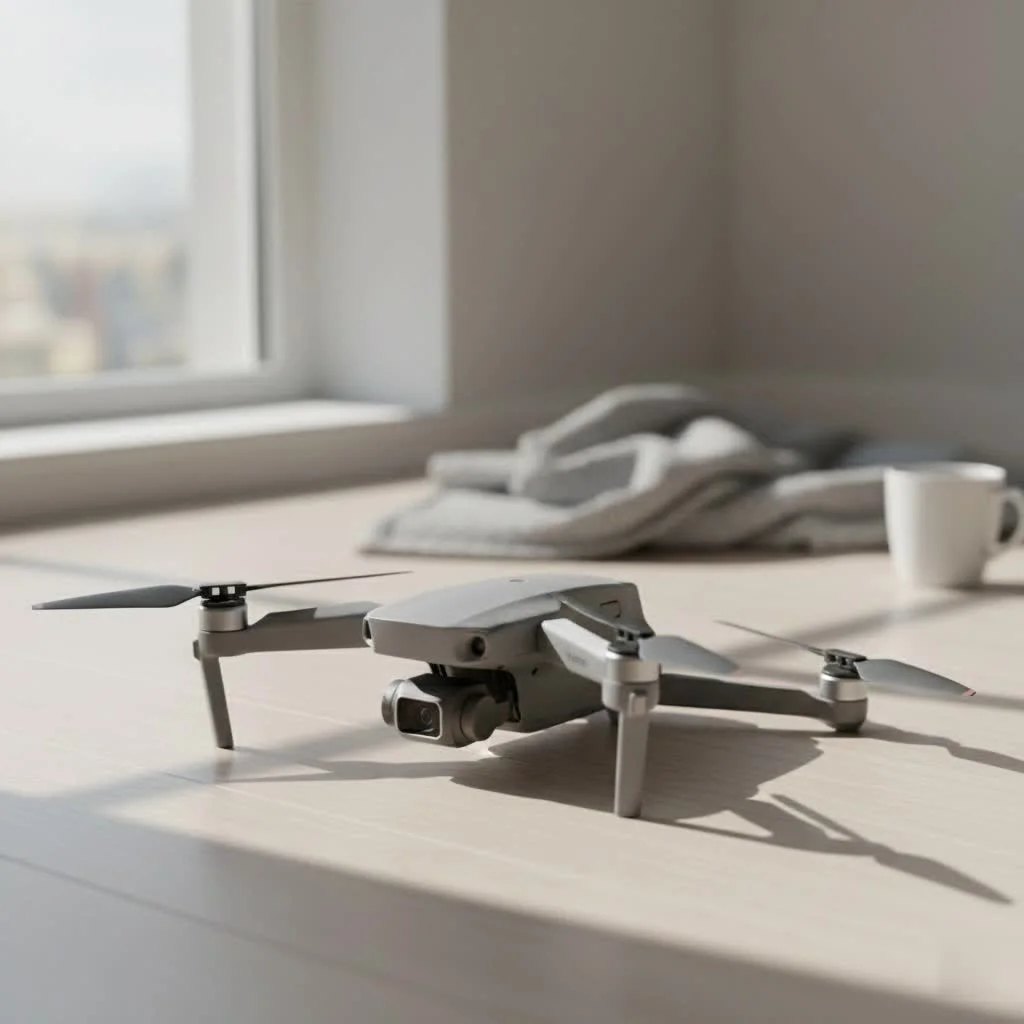
Before You Fly: The Essential Pre-Flight Checklist
A successful flight begins on the ground. Rushing this stage is one of the biggest mistakes new pilots make. Before you even think about taking off, running through a consistent pre-flight checklist ensures safety for you, your drone, and those around you. For see our consumer recommendations on this site.
- Check Your Batteries: Ensure your drone battery and controller battery are fully charged. There’s nothing worse than having your flight cut short by a low battery warning, or worse, losing control.
- Inspect Propellers: Check for any nicks, cracks, or damage. A compromised propeller can fail mid-flight, leading to an immediate crash. Make sure they are securely attached to the motors.
- Know the Weather: Drones are light aircraft and are highly susceptible to wind and rain. Avoid flying in high winds (over 15-20 mph for most consumer drones) or any form of precipitation. Clear, calm days are perfect for learning.
- Survey Your Location: Choose a wide-open area free from obstacles like trees, power lines, and buildings. A park or an empty field is ideal. Be aware of people and animals, and maintain a safe distance.
- Calibrate the Compass: Before your first flight in a new location, it’s critical to calibrate the drone’s compass. This process helps the drone understand its orientation and location, ensuring stable flight and accurate GPS functions. Follow the manufacturer’s specific instructions for this process.
- Confirm GPS Lock: Wait for your drone to acquire a strong GPS signal. Most drones will indicate this with flashing lights or a status on the controller’s screen. A solid GPS lock is essential for features like hovering in place and Return-to-Home (RTH).
Mastering the Basics: Your First Drone Flight
With your pre-flight checks complete, it’s time for the exciting part. For your first few flights, focus on mastering the fundamental controls. Most drone controllers have two joysticks, each controlling different aspects of movement.
Understanding the Controls
- Left Stick (Mode 2):
- Up/Down: Controls the throttle. Pushing up makes the drone ascend (climb), and pulling down makes it descend (land).
- Left/Right: Controls the yaw. Pushing left rotates or “yaws” the drone counter-clockwise, and pushing right rotates it clockwise, all while it stays in the same spot.
- Right Stick (Mode 2):
- Up/Down: Controls the pitch. Pushing up moves the drone forward, and pulling down moves it backward.
- Left/Right: Controls the roll. Pushing left makes the drone slide or “roll” to the left, and pushing right makes it roll to the right.
Your Step-by-Step First Flight
|
Our Picks for the Best Drone in 2026
As an Amazon Associate I earn from qualifying purchases.
|
||
| Num | Product | Action |
|---|---|---|
| 1 | Drone with Camera 1080P HD FPV Foldable Drone for Adults and Beginners, RC Quadcopter with Gravity Control, One Key Take Off/Land, Optical Flow Positioning, 360° Flip, 3 Speed Mode, Waypoint Fly Grey |

|
| 2 | DJI Neo, Mini Drone with 4K UHD Camera for Adults, 135g Self Flying Drone that Follows You, Palm Takeoff, Subject Tracking, QuickShots, Stabilized Video, Built-In Propeller Guard (Controller-Free) |
|
| 3 | Drone with Camera for Adults, 2K HD FPV Drones with Upgrade Altitude Hold, One-Key Take Off/Landing, Speed Adjustment, Headless Mode, 2 Batteries, Toys Gifts for Teen Boys Girls, Beginner |
|
| 4 | Drone with 1080P Camera for Beginners and Adults, Foldable Remote Control Quadcopter with Voice Control, Gestures Selfie, Altitude Hold, One Key Start, 3D Flips, 2 Batteries, Toy for Beginners |
|
| 5 | DJI Neo Three-Battery Combo, Mini Drone with 4K UHD Camera for Adults, 135g Self Flying Drone that Follows You, Palm Takeoff, Subject Tracking, QuickShots, Stabilized Video (Controller-Free) |
|
| 6 | LỖI |
|
| 7 | DJI Mini 3 Fly More Combo (DJI RC), Drones with Camera for Adults 4K, 3 Batteries for 114-min Flight Time, Vertical Shooting, 32800ft (10km) Video Transmission, Lightweight Mini Drone for Beginners |
|
| 8 | DJI Mini 3 (DJI RC), Lightweight 3x Mechanical Gimbal Drones with Camera for Adults 4K, 38-min Flight Time, up to 32800ft (10km) Video Transmission, Vertical Shooting, GPS Auto Return Integrated |
|
| 9 | Drone with Camera - Drones for Adults, with 2 Batteries, Carrying Case, Propellers, 1080P HD Foldable Drone with Stable Hover, Trajectory Flight, Gravity Control, One Key Take Off/Land, 3D Flip |
|
| 10 | DJI Mini 5 Pro Fly More Combo with DJI RC 2, Drone with Camera, 1-Inch CMOS, 4K Drone for Beginners with Omnidirectional Obstacle Sensing, ActiveTrack 360°, 225° Gimbal Rotation, 3 Batteries |
|
- Position the Drone: Place your drone on a flat, level surface with the rear lights facing you. This ensures that when you push the right stick forward, the drone moves away from you.
- Takeoff: Gently and smoothly push the left stick (throttle) upward until the drone lifts off the ground to about 4-5 feet. Avoid jerky movements. Most modern drones have an auto-takeoff feature, which is highly recommended for beginners.
- Practice Hovering: Once airborne, release both sticks. Thanks to its GPS, the drone should hover in place. Get a feel for its stability and sound.
- Practice Yaw: Gently push the left stick to the left and right. Watch how the drone rotates on its central axis. This is how you’ll turn the drone to face different directions.
- Practice Pitch and Roll: Now, gently use the right stick. Push it forward to fly away from you, then pull it back to return. Push it left and right to see how the drone glides sideways.
- Combine Movements: Try flying in a square or a circle, combining the use of both sticks. Keep your movements slow and deliberate.
- Landing: When you’re ready, fly the drone back to your designated landing spot. Slowly pull down on the left stick (throttle) until the drone gently touches the ground. Once it has landed, hold the stick down until the propellers stop spinning.
“The best pilots are the smoothest pilots. Imagine the control sticks are filled with honey; your movements should be slow, deliberate, and fluid. This not only results in better video but also safer flying.” – Marcus Thorne, Aviation Technology Analyst
Staying Safe and Legal: Understanding Drone Regulations
Operating a drone isn’t just about skill; it’s also about responsibility. As a pilot, you are accountable for every flight. While laws vary by country, some general principles, largely based on FAA (Federal Aviation Administration) guidelines in the US, are globally recognized.
- Maintain Visual Line-of-Sight (VLOS): You must always be able to see your drone with your own eyes, not just through a camera feed.
- Fly Below 400 Feet: In most areas, there’s a maximum altitude limit to avoid interference with manned aircraft.
- Register Your Drone: In many countries, drones over a certain weight (250g or 0.55 lbs in the US) must be registered with the national aviation authority.
- Never Fly Over People or Moving Vehicles: This is a critical safety rule to prevent injury or distraction.
- Respect No-Fly Zones: Be aware of restricted airspace, which includes airports, military bases, national parks, and stadiums. Apps like B4UFly or AirMap are essential tools for checking your location.
- Don’t Fly Under the Influence: Never operate a drone while under the influence of drugs or alcohol.
Understanding and respecting these rules is a non-negotiable part of learning to fly a drone. It protects you, the public, and the drone community as a whole.
Common Beginner Mistakes to Avoid
Every experienced pilot has made mistakes. Learning from them is part of the process. Here are a few common pitfalls to watch out for:
- Flying Indoors Too Soon: The lack of GPS and confined space makes indoor flying extremely challenging. Master outdoor flight first.
- Ignoring the Return-to-Home (RTH) Setting: Before takeoff, ensure your RTH altitude is set higher than any obstacles in the area. This is your safety net if you lose signal or get disoriented.
- Flying Backward: It’s easy to get mesmerized by the camera view and fly backward into an obstacle you can’t see. Always be aware of your drone’s full surroundings.
- Pushing the Battery Limit: Always start heading back when your battery reaches 30%. Trying to squeeze every last second out of a flight is a recipe for disaster.
Frequently Asked Questions (FAQ)
What’s the best weather to fly a drone?
The ideal weather for flying a drone is a clear day with minimal wind (under 10 mph). Avoid rain, snow, and fog, as moisture can damage the electronics. Extreme temperatures, both hot and cold, can also negatively affect battery performance.
Do I need a license to fly a drone?
For purely recreational flying in many regions like the US, you do not need a pilot’s license. However, you must pass The Recreational UAS Safety Test (TRUST) and carry proof of passing. If you plan to use your drone for any commercial purpose, you must obtain a license (like the Part 107 certificate in the US).
How do I avoid crashing my drone?
The best way to avoid crashing is to follow your pre-flight checklist, fly in open areas, maintain a visual line of sight, understand the controls thoroughly, and fly cautiously in good weather conditions. Also, make good use of your drone’s built-in obstacle avoidance sensors.
How high can I legally fly my drone?
In the United States and many other countries, the maximum legal altitude for a drone is 400 feet (120 meters) above ground level. This is to ensure drones stay clear of the flight paths of airplanes and helicopters.
Can I fly my drone at night?
Rules for night flying vary. In the US, recreational flying at night is allowed, but your drone must be equipped with anti-collision lights that are visible for at least three statute miles. Always check your local regulations before attempting a night flight.
Your Journey as a Drone Pilot
Learning to fly a drone is a journey that blends technology, skill, and creativity. It opens up a new perspective on the world, allowing you to capture stunning images and explore from a bird’s-eye view. Start with the basics, prioritize safety, and respect the rules. With patience and practice, you’ll soon be navigating the skies with confidence and precision. Now, go complete your checklist and get ready for takeoff
Frequently Asked Questions
What is the best weather for flying a drone safely?
The ideal weather for flying a drone is a clear day with minimal wind, specifically under 10 mph. It is crucial to avoid flying in rain, snow, fog, or extreme temperatures, as moisture can damage electronics and temperature extremes can negatively affect battery performance.
Do I need a license to operate a drone for recreational use?
For purely recreational drone flying in many regions, such as the US, a pilot's license is not required. However, you must pass The Recreational UAS Safety Test (TRUST) and carry proof of completion. Commercial drone operations, conversely, necessitate obtaining a specific license like the Part 107 certificate in the US.
What are the most effective ways to prevent a drone crash?
To effectively avoid crashing your drone, consistently follow your pre-flight checklist, fly in wide-open areas, and always maintain a visual line of sight. Thoroughly understanding the drone's controls, flying cautiously in good weather, and utilizing built-in obstacle avoidance sensors are also critical preventative measures.
What is the maximum legal altitude for drone flight in the US?
In the United States and many other countries, the maximum legal altitude for drone operation is 400 feet (120 meters) above ground level. This regulation is enforced to ensure drones do not interfere with the flight paths of manned aircraft, such as airplanes and helicopters.
Are there specific rules for flying a drone during nighttime hours?
Rules for night flying vary by region. In the US, recreational night flying is permitted, provided your drone is equipped with anti-collision lights visible for at least three statute miles. Always verify and adhere to your local aviation authority's specific regulations before attempting any night flights.
How to Fly a Drone for Beginners
This guide provides step-by-step instructions for beginners to safely and effectively fly a drone, covering pre-flight checks, basic controls, and your first takeoff and landing.
Place your drone on a flat, level surface with its rear lights facing you. This orientation ensures that when you push the right stick forward, the drone moves away from your position, simplifying initial control.
Gently and smoothly push the left stick (throttle) upward until the drone lifts off the ground to about 4-5 feet. Avoid any jerky movements. For beginners, utilizing the auto-takeoff feature available on most modern drones is highly recommended for a stable ascent.
Once airborne, release both sticks; the drone should hover stably due to its GPS. Get comfortable with its stability and sound. Then, gently push the left stick left and right to practice yaw, observing how the drone rotates on its central axis to change direction.
Next, gently use the right stick to practice pitch and roll. Push it forward to move the drone away from you, pull it back to return, and push it left and right to make the drone glide sideways. Keep these movements slow and deliberate to maintain control.
When ready to land, fly the drone back to your designated landing spot. Slowly pull down on the left stick (throttle) until the drone gently touches the ground. Once it has landed, continue to hold the stick down until the propellers completely stop spinning.
Get our weekly buyer guide
Practical specs, not advice. Unsubscribe anytime.
This guide was super helpful for my first drone. I really appreciated the emphasis on the pre-flight checklist. Checking the propellers and batteries beforehand saved me a lot of potential headaches, and it made me feel much more confident before my initial takeoff. Definitely a must-read for anyone just starting out.
The advice about using an auto-takeoff feature for the very first flight was spot on. It took away a lot of the initial stress and let me focus on getting a feel for the controls without worrying about a clumsy launch. This guide really breaks down the intimidating parts into manageable steps.
Good overview for beginners, especially the part about maintaining visual line-of-sight and staying below 400 feet. My only minor complaint is that it didn’t really touch on what to do if you lose signal briefly, which happened to me once. Still, it’s a solid starting point for new pilots.
I’ve been wanting to get into drones for a while, and the tips on mastering basic controls like throttle and yaw were exactly what I needed. Practicing hovering at 4-5 feet before trying anything fancy made a huge difference. My first few flights felt much smoother than I expected, thanks to these clear instructions.