Welcome to the exciting world of aerial exploration! If you’ve ever been curious about drones but felt intimidated by the larger, more complex models, then the Mini Drone is your perfect entry point. These compact powerhouses have revolutionized personal aerial photography and recreational flying, making it easier and more affordable than ever to capture stunning perspectives from the sky. As a 15-year veteran in the drone industry and the founder of RVSWS, I’m here to demystify these gadgets and show you why a mini drone might be the best tech you’ll buy this year.
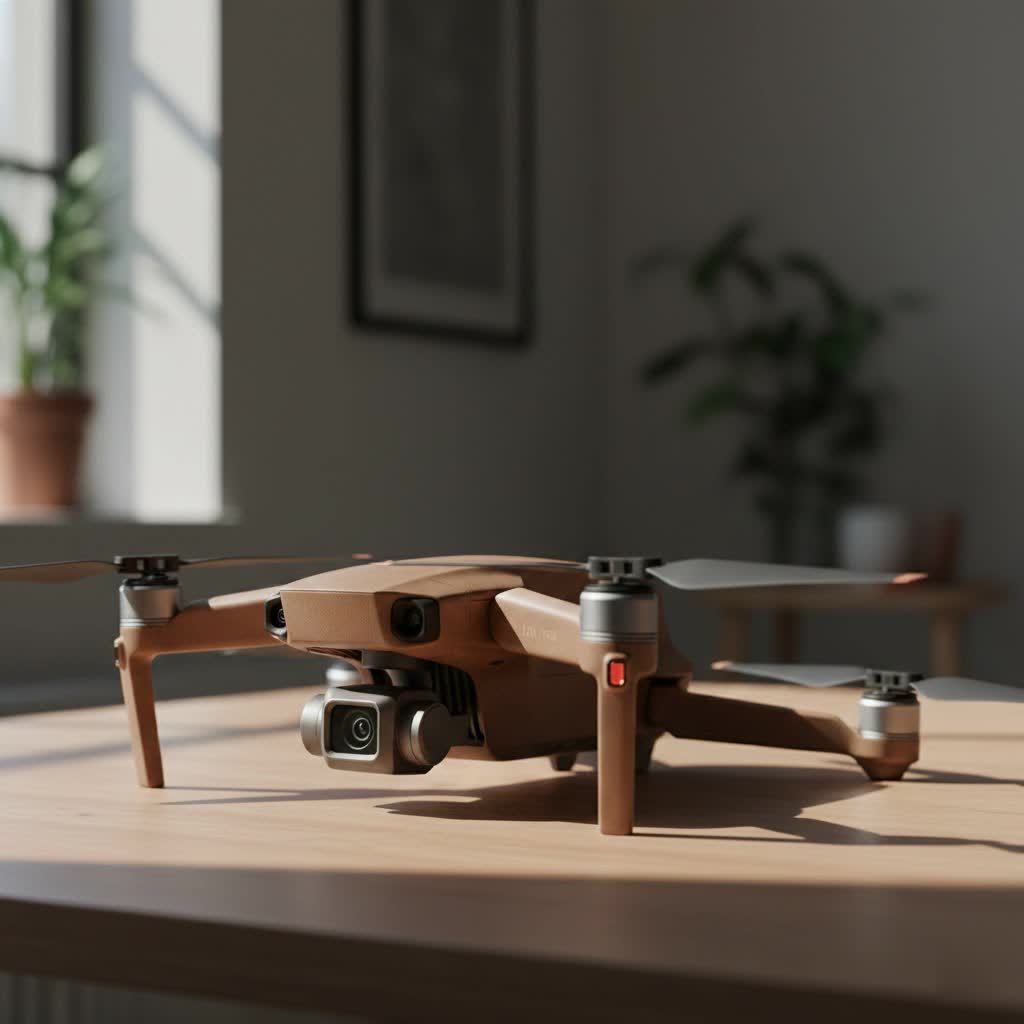
They are small, lightweight, and packed with features that once belonged only to their larger counterparts. From beginners looking to hone their skills to seasoned photographers needing a portable solution, these drones offer an incredible blend of performance, convenience, and fun.
What Exactly Is a Mini Drone?
A mini drone, often called a small or lightweight drone, is defined by its compact size and low weight. The most significant category includes drones that weigh under 250 grams (or 0.55 pounds). This isn’t just a random number; it’s a crucial threshold set by aviation authorities like the FAA in the United States.
Why does this matter? Drones under this weight limit often have fewer regulations, meaning you can fly them in more places with less paperwork. For recreational flyers, this is a massive advantage, as it typically exempts you from mandatory registration. This convenience, combined with their portability—most can easily fit into a backpack or even a large pocket—makes them ideal companions for travel, hiking, and spontaneous adventures.
Who is a Mini Drone For?
While anyone can enjoy a mini drone, they are particularly well-suited for several groups of users.
The Aspiring Novice Pilot
|
Our Picks for the Best Drone in 2026
As an Amazon Associate I earn from qualifying purchases.
|
||
| Num | Product | Action |
|---|---|---|
| 1 | Drone with Camera - Drones for Adults, with 2 Batteries, Carrying Case, Propellers, 1080P HD Foldable Drone with Stable Hover, Trajectory Flight, Gravity Control, One Key Take Off/Land, 3D Flip |

|
| 2 | DJI Mini 3 (DJI RC), Lightweight 3x Mechanical Gimbal Drones with Camera for Adults 4K, 38-min Flight Time, up to 32800ft (10km) Video Transmission, Vertical Shooting, GPS Auto Return Integrated |
|
| 3 | DJI Neo Three-Battery Combo, Mini Drone with 4K UHD Camera for Adults, 135g Self Flying Drone that Follows You, Palm Takeoff, Subject Tracking, QuickShots, Stabilized Video (Controller-Free) |
|
| 4 | Drone with Camera 1080P HD FPV Foldable Drone for Adults and Beginners, RC Quadcopter with Gravity Control, One Key Take Off/Land, Optical Flow Positioning, 360° Flip, 3 Speed Mode, Waypoint Fly Grey |
|
| 5 | DJI Neo, Mini Drone with 4K UHD Camera for Adults, 135g Self Flying Drone that Follows You, Palm Takeoff, Subject Tracking, QuickShots, Stabilized Video, Built-In Propeller Guard (Controller-Free) |
|
| 6 | DJI Mini 3 Fly More Combo (DJI RC), Drones with Camera for Adults 4K, 3 Batteries for 114-min Flight Time, Vertical Shooting, 32800ft (10km) Video Transmission, Lightweight Mini Drone for Beginners |
|
| 7 | Drone with 1080P Camera for Beginners and Adults, Foldable Remote Control Quadcopter with Voice Control, Gestures Selfie, Altitude Hold, One Key Start, 3D Flips, 2 Batteries, Toy for Beginners |
|
| 8 | LỖI |
|
| 9 | Drone with Camera for Adults, 2K HD FPV Drones with Upgrade Altitude Hold, One-Key Take Off/Landing, Speed Adjustment, Headless Mode, 2 Batteries, Toys Gifts for Teen Boys Girls, Beginner |
|
| 10 | DJI Mini 5 Pro Fly More Combo with DJI RC 2, Drone with Camera, 1-Inch CMOS, 4K Drone for Beginners with Omnidirectional Obstacle Sensing, ActiveTrack 360°, 225° Gimbal Rotation, 3 Batteries |
|
If you’re new to flying, a mini drone is your best friend. Modern versions are equipped with features like GPS, altitude hold, and automatic takeoff and landing, which drastically shorten the learning curve. They are more forgiving of mistakes and their lower cost means a crash won’t be a catastrophic financial blow. It’s the perfect way to build confidence and master the fundamentals of flight.
The On-the-Go Content Creator
For vloggers, travelers, and social media enthusiasts, a mini drone is a game-changer. It allows you to capture breathtaking aerial shots and unique camera angles that would be impossible with a standard camera. Many models now shoot in high-quality 4K video and feature gimbal stabilization for incredibly smooth footage, ensuring your content stands out.
Families and Hobbyists
Looking for a fun activity for the weekend? A mini drone provides endless entertainment. They are safe enough for indoor use (in large spaces) and simple enough for older kids to learn with supervision. It’s a fantastic way to introduce anyone to the principles of aviation and robotics in a hands-on, engaging way.
Key Features to Consider Before Buying a Mini Drone
Not all mini drones are created equal. As you shop around, here are the critical features to evaluate to ensure you get the best device for your needs.
Camera and Image Quality
The camera is often the main attraction. Don’t just look at the resolution (e.g., 4K, 2.7K). Pay attention to the sensor size, as a larger sensor generally performs better in low-light conditions. Also, a mechanical gimbal is non-negotiable for serious video work. This small device physically stabilizes the camera, smoothing out shakes and vibrations for professional-looking footage.
Flight Time
Battery life is the Achilles’ heel of any drone. Most mini drones offer a flight time of between 15 to 30 minutes per battery. While this may not sound like much, it’s a significant improvement over older models. It’s always a good idea to invest in a “Fly More” combo or purchase extra batteries to extend your time in the air.
Controls and Range
Most mini drones are controlled via a dedicated remote controller that links to your smartphone, providing a live video feed (FPV or First-Person View). Check the controller’s ergonomics and the stability of the connection technology. The control range determines how far you can fly the drone, with most models offering more than enough distance for recreational use.
Safety and Navigation Features
Look for drones with GPS, which enables features like “Return to Home” (RTH). If the drone loses connection or the battery runs low, it will automatically fly back to its takeoff point. Obstacle avoidance sensors are another premium feature that can prevent crashes by detecting and maneuvering around objects, which is incredibly useful for new pilots.
“The magic of modern mini drones is how they’ve democratized the sky,” says Daniel Harrison, a veteran drone pilot and aerial photographer. “They pack professional-grade features into a user-friendly, regulation-friendly package. For the first time, anyone can capture cinematic aerial footage without a Hollywood budget or a pilot’s license.”
Flying Safely and Legally: A Quick Checklist
Owning a mini drone is a big responsibility. Even though they are small, they are still aircraft. Always prioritize safety and be aware of the rules in your area.
- Know the Weight: If your drone is under 250g, you likely don’t need to register it for recreational use in the US. However, you must still take The Recreational UAS Safety Test (TRUST) and carry proof of completion.
- Maintain Visual Line of Sight: Always keep your drone where you can see it with your own eyes.
- Respect Airspace: Stay away from airports, stadiums, and emergency response scenes. Use an app like B4UFLY to check for flight restrictions in your area.
- Fly Below 400 Feet: This is the maximum altitude allowed for recreational drones in uncontrolled airspace.
- Don’t Fly Over People: Never operate your drone over groups of people or moving vehicles.
Mini Drone Maintenance Basics
To keep your mini drone in top condition, follow these simple maintenance tips:
- Inspect Before Every Flight: Check propellers for any nicks or cracks. A damaged propeller can fail mid-flight.
- Keep it Clean: Use a soft, dry cloth to wipe down the body and camera lens after use.
- Battery Care: Store batteries at around 50% charge if you’re not going to use them for a few days. Don’t leave them charging unattended.
- Update Firmware: Manufacturers regularly release updates that improve performance and fix bugs. Always keep your drone and controller firmware up to date.
Frequently Asked Questions (FAQ)
Do I need to register a mini drone with the FAA?
If your drone weighs less than 250 grams (0.55 lbs) and you are flying it purely for recreational purposes, you do not need to register it with the FAA. However, if you use it for any commercial purpose, registration is required regardless of weight.
How high can a mini drone fly?
Legally, you are restricted to flying no higher than 400 feet above the ground in uncontrolled airspace to avoid interfering with manned aircraft.
Are mini drones difficult to fly?
Not anymore. Modern mini drones with GPS and other stabilization features are incredibly easy for beginners to fly. They can hover in place without any stick input, making them very stable and predictable.
Can mini drones handle wind?
While they have improved significantly, their light weight makes them more susceptible to wind than larger drones. Most can handle light to moderate breezes, but it’s best to avoid flying in strong winds to prevent losing control or getting poor-quality video.
What is the average flight time for a mini drone?
You can typically expect between 15 to 30 minutes of flight time from a single battery, depending on the model, flying style, and weather conditions.
Taking to the Skies
The mini drone is far more than a toy; it’s a powerful tool for creativity, exploration, and learning. It offers a unique and accessible way to see the world from a new perspective. By choosing a model with the right features for your needs and committing to flying safely and responsibly, you’ll unlock a rewarding and exhilarating hobby. So, what are you waiting for? Your aerial adventure begins now.
