The world of drones can seem intimidating, with large, professional rigs dominating the skies in movies and documentaries. But the biggest revolution in recent years isn’t happening with those giants; it’s happening in the palm of your hand. The rise of the Small Drone has opened up the world of aerial photography, racing, and pure flying fun to everyone. These compact powerhouses are more than just toys; they are sophisticated flying machines that pack incredible technology into a tiny frame, making them perfect for beginners and seasoned pilots alike.
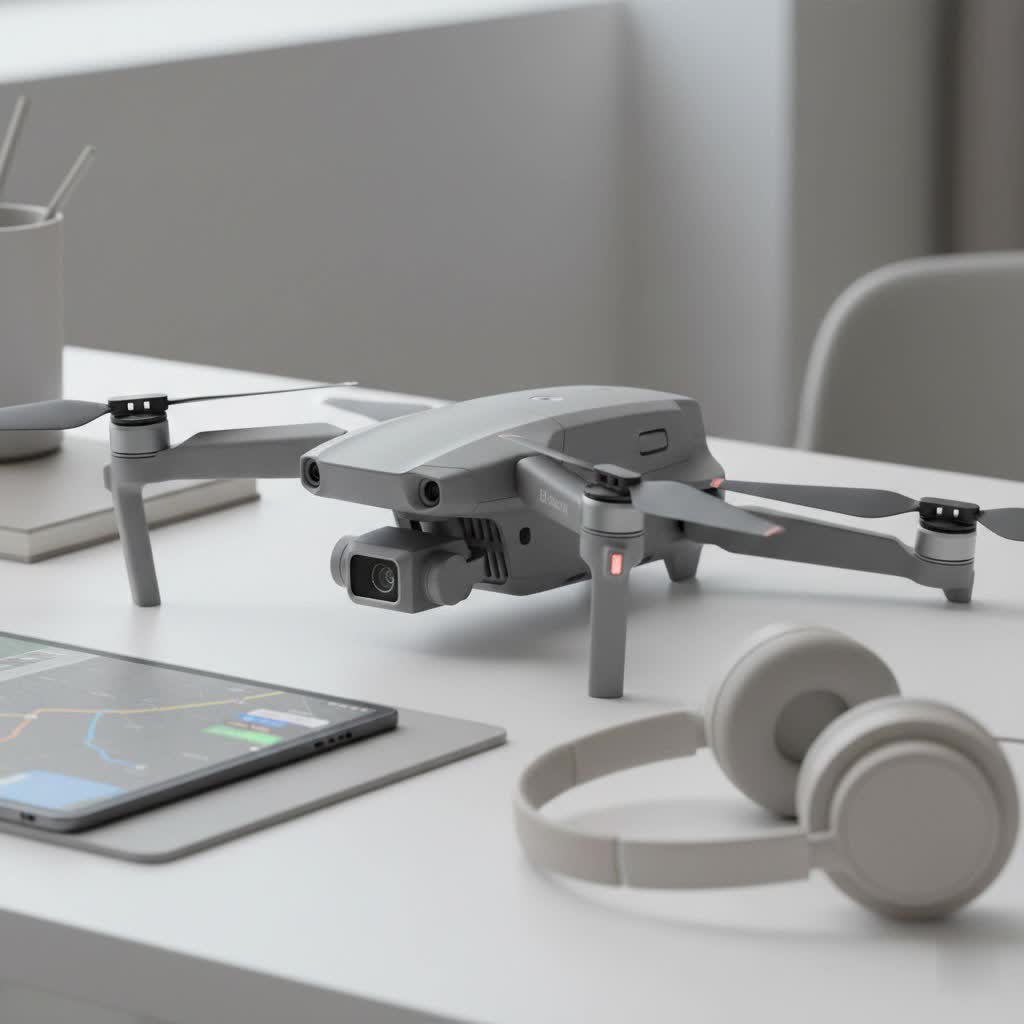
Whether you’re looking to capture stunning travel videos without lugging around heavy gear or simply want to experience the thrill of flight in your own backyard, a small drone is your perfect entry point. In this comprehensive guide, we’ll explore everything you need to know, from what defines a “small drone” to how to choose the perfect model for your adventures.
What Exactly Is a Small Drone?
While there’s no single, universally agreed-upon definition, a small drone is typically characterized by its low weight and compact size. The most significant category in the drone world is the sub-250-gram class. This isn’t an arbitrary number; aviation authorities like the FAA in the United States have set 250 grams (or 0.55 pounds) as a key threshold.
Drones weighing less than 250 grams are often subject to fewer regulations. In many countries, you don’t need to register them with the government, making them incredibly convenient for casual flyers. This has led manufacturers to engineer highly capable drones that sit just under this weight limit, offering the perfect blend of performance and freedom.
“The sub-250-gram category has been a game-changer,” notes Alex Maxwell, a 15-year veteran in aerial cinematography and founder of RVSWS.com. “It has democratized high-quality aerial imaging, allowing creators to carry a powerful tool in their jacket pocket without the regulatory hurdles of heavier systems.”
Beyond the weight class, these drones are designed for portability. Their arms often fold in, allowing them to shrink down to the size of a smartphone, making them the ultimate travel companions.
The Big Advantages of Going Small
You might think that a smaller size means compromising on features, but modern engineering has turned that idea on its head. A small drone offers several key benefits over its larger counterparts.
- Ultimate Portability: This is the most obvious advantage. You can slip a small drone into a backpack, a large pocket, or a camera bag without a second thought. This means you’re more likely to have it with you when that perfect moment arises, whether on a mountain hike or a family picnic.
- Increased Safety: Lighter drones carry less kinetic energy, making them inherently safer to fly, especially for beginners. An accidental bump with a sub-250g drone is far less likely to cause damage or injury than a collision with a heavier machine.
- Fewer Regulations: As mentioned, the sub-250g category often exempts you from registration and more complex certification requirements. Always remember to check your local laws, as regulations can vary by country and region.
- Affordability: Generally, smaller drones come with a smaller price tag. This lowers the barrier to entry, allowing you to get a feel for flying without a massive financial commitment.
- Discreet and Approachable: A large, buzzing drone can be intimidating to people and wildlife. A small drone is quieter and less noticeable, allowing you to capture candid moments or fly in sensitive areas without causing a disturbance.
How Do You Choose the Right Small Drone?
With a booming market, picking your first small drone can be overwhelming. Focusing on a few key features will help you narrow down the options and find the perfect match for your needs.
Camera Quality: More Than Just Megapixels
For most people, the camera is the most important feature. Don’t get bogged down in a specs war. Here’s what really matters:
- Resolution: 4K video is now standard on many small drones and offers incredible detail. However, a high-quality 1080p or 2.7K sensor can often produce better-looking footage than a poor-quality 4K sensor. Look at real-world reviews and sample footage on YouTube.
- Gimbal Stabilization: This is non-negotiable for smooth video. A 3-axis mechanical gimbal is the gold standard. It physically moves the camera to counteract the drone’s movements, resulting in buttery-smooth, cinematic shots. Drones that rely only on electronic image stabilization (EIS) will produce noticeably shakier footage.
- Sensor Size: A larger sensor (like 1/1.3-inch or larger) captures more light, leading to better performance in sunrise, sunset, and other low-light conditions.
|
Our Picks for the Best Drone in 2026
As an Amazon Associate I earn from qualifying purchases.
|
||
| Num | Product | Action |
|---|---|---|
| 1 | DJI Mini 3 (DJI RC), Lightweight 3x Mechanical Gimbal Drones with Camera for Adults 4K, 38-min Flight Time, up to 32800ft (10km) Video Transmission, Vertical Shooting, GPS Auto Return Integrated |

|
| 2 | DJI Mini 3 Fly More Combo (DJI RC), Drones with Camera for Adults 4K, 3 Batteries for 114-min Flight Time, Vertical Shooting, 32800ft (10km) Video Transmission, Lightweight Mini Drone for Beginners |
|
| 3 | DJI Mini 5 Pro Fly More Combo with DJI RC 2, Drone with Camera, 1-Inch CMOS, 4K Drone for Beginners with Omnidirectional Obstacle Sensing, ActiveTrack 360°, 225° Gimbal Rotation, 3 Batteries |
|
| 4 | DJI Neo, Mini Drone with 4K UHD Camera for Adults, 135g Self Flying Drone that Follows You, Palm Takeoff, Subject Tracking, QuickShots, Stabilized Video, Built-In Propeller Guard (Controller-Free) |
|
| 5 | Drone with Camera for Adults, 2K HD FPV Drones with Upgrade Altitude Hold, One-Key Take Off/Landing, Speed Adjustment, Headless Mode, 2 Batteries, Toys Gifts for Teen Boys Girls, Beginner |
|
| 6 | Drone with 1080P Camera for Beginners and Adults, Foldable Remote Control Quadcopter with Voice Control, Gestures Selfie, Altitude Hold, One Key Start, 3D Flips, 2 Batteries, Toy for Beginners |
|
| 7 | Drone with Camera - Drones for Adults, with 2 Batteries, Carrying Case, Propellers, 1080P HD Foldable Drone with Stable Hover, Trajectory Flight, Gravity Control, One Key Take Off/Land, 3D Flip |
|
| 8 | DJI Neo Three-Battery Combo, Mini Drone with 4K UHD Camera for Adults, 135g Self Flying Drone that Follows You, Palm Takeoff, Subject Tracking, QuickShots, Stabilized Video (Controller-Free) |
|
| 9 | Drone with Camera 1080P HD FPV Foldable Drone for Adults and Beginners, RC Quadcopter with Gravity Control, One Key Take Off/Land, Optical Flow Positioning, 360° Flip, 3 Speed Mode, Waypoint Fly Grey |
|
| 10 | LỖI |
|
Flight Time and Battery Life
Most small drones offer a flight time of around 25-35 minutes per battery in ideal conditions. Real-world flight times are often slightly less due to wind and flying style. It’s highly recommended to purchase a “Fly More Combo” or similar package that includes multiple batteries. Swapping a fresh battery takes less than a minute and triples your time in the air.
Key Safety Features
Modern drones are packed with technology to make flying easier and safer. For a beginner, these features are essential for building confidence.
- GPS (Global Positioning System): GPS is crucial for stable hovering and a reliable Return-to-Home (RTH) function. With GPS, if the drone loses connection to the controller or the battery gets critically low, it will automatically fly back to its takeoff point.
- Obstacle Avoidance: While once a feature reserved for high-end drones, some advanced small drones now include obstacle avoidance sensors. These sensors can be forward, backward, or downward-facing and help prevent you from accidentally flying into trees or buildings.
- Geofencing: This feature prevents the drone from flying into restricted areas like airports or stadiums, helping you stay on the right side of the law.
Getting Started: A Pre-Flight Checklist
Excitement can be high before your first flight, but running through a quick checklist will ensure everything goes smoothly.
- [ ] Check the Weather: Avoid flying in high winds or rain. Strong winds can easily overpower a small drone, and water can damage its electronics.
- [ ] Inspect Your Drone: Give your drone a quick look-over. Check that the propellers are not damaged and are securely attached.
- [ ] Fully Charge Your Batteries: This includes the drone battery, the controller, and your smartphone (if you’re using it as a screen).
- [ ] Calibrate the Compass: Before flying in a new location, it’s good practice to calibrate the drone’s compass. It only takes a minute and ensures the GPS works accurately.
- [ ] Know the Rules: Ensure you are in a safe and legal area to fly. Be aware of your surroundings and respect the privacy of others.
- [ ] Start Slow: For your first flight, find an open field with no obstacles. Practice basic maneuvers like taking off, hovering, and landing before you try anything complex.
Frequently Asked Questions (FAQ)
What is the best small drone for a beginner?
The best choice often comes from established brands known for their user-friendly apps and reliable safety features. Look for a model with GPS, a good quality camera with a gimbal, and consider a package with extra batteries and propeller guards.
How high can a small drone fly?
Legally, in most regions like the US, you are restricted to flying no higher than 400 feet (120 meters) above the ground to avoid manned aircraft. Physically, the drone can often fly much higher, but you must always adhere to local aviation laws.
Can I fly a small drone in the wind?
Small drones are lightweight and more susceptible to wind than larger models. While they have powerful motors and GPS to hold their position, it’s best to avoid flying in winds exceeding 15-20 mph (25-32 kph). Strong winds will also drain your battery much faster.
Do I need a license to fly a small drone?
This depends entirely on your location and the weight of your drone. For purely recreational flying in the US with a drone under 250g, you do not need a license. However, you must still follow safety guidelines. If you are flying for commercial purposes, you will need a license. Always check the official aviation authority website for your country for the latest rules.
Your Adventure in the Sky Awaits
A small drone is more than just a gadget; it’s a new perspective. It’s a tool that empowers you to capture your world in ways you never thought possible, from epic landscapes to dynamic family portraits. By understanding the key features and starting with a focus on safety, you can confidently launch into this exciting hobby. The technology packed into these compact flyers is truly remarkable, offering incredible value and capability. So, choose the one that’s right for you, get outside, and start creating.
