Welcome to the exciting world of flight! If you’ve ever been mesmerized by a quadcopter zipping through the sky, you’ve witnessed the magic of an Rc Drone. For beginners, this technology can seem complex, but it’s more accessible than ever. As the lead content creator at RVSWS, with over 15 years of hands-on experience, I’m here to demystify the RC drone, guiding you from the basics of what they are to how you can confidently pilot your own. This guide is your first step toward mastering the skies.
What Does “RC” Actually Mean?
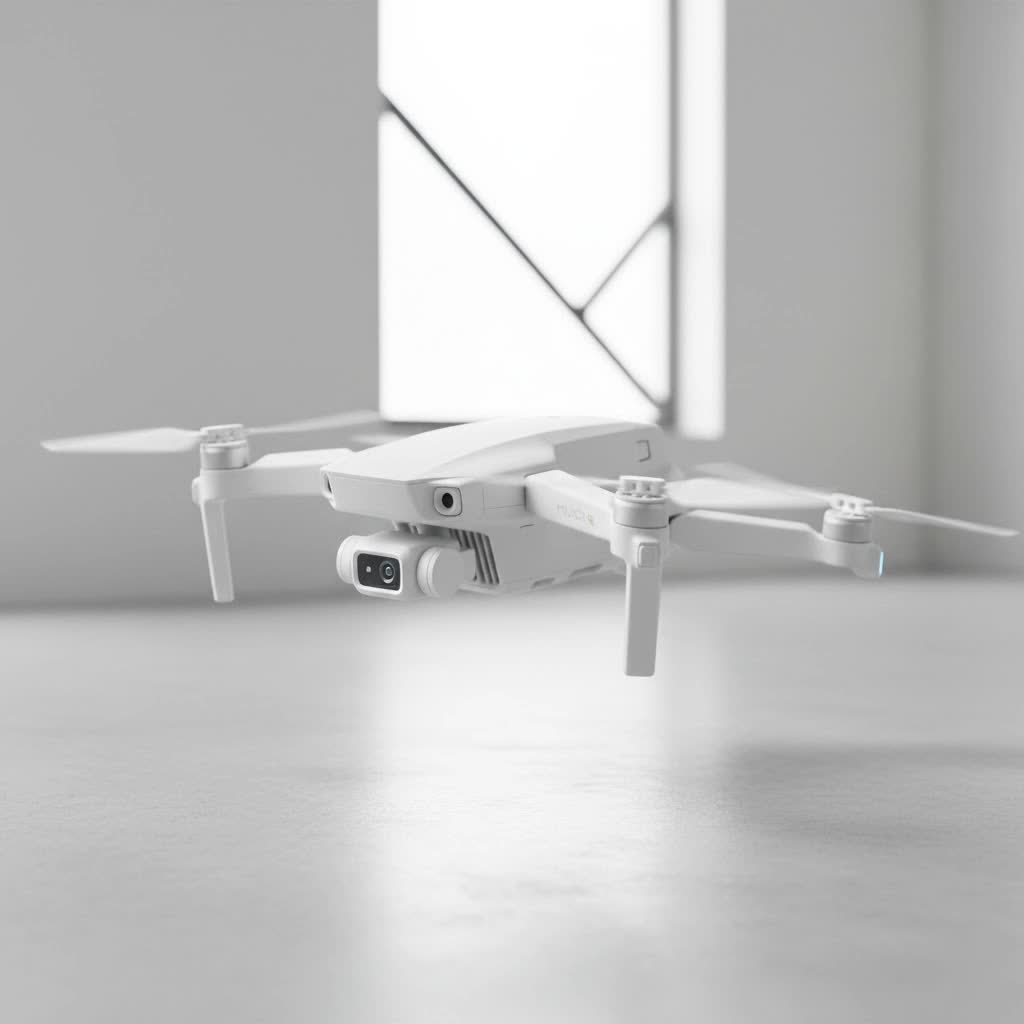
Let’s start with the fundamentals. “RC” stands for “Radio-Controlled.” In essence, an RC drone is an unmanned aerial vehicle (UAV) that is piloted remotely using a dedicated radio transmitter. The pilot on the ground uses this controller to send signals to the drone, dictating its movement—up, down, forward, backward, and side to side. It’s this seamless connection between the pilot’s commands and the aircraft’s response that defines the entire RC experience.
How Do RC Drones Work?
At the heart of every RC drone is a symphony of components working in unison. Understanding them is key to appreciating the technology and becoming a better pilot.
The Core Components
- Transmitter (Controller): This is the device you hold in your hands. It’s equipped with joysticks, buttons, and switches that convert your physical movements into radio signals.
- Receiver: Located inside the drone, this component captures the signals sent by the transmitter. It acts as the drone’s “ears,” listening for your commands.
- Flight Controller: This is the brain of the RC drone. It takes the information from the receiver, processes it, and then sends instructions to the motors to adjust speed and direction, keeping the drone stable and responsive.
- Motors and Propellers: These are the muscles. Most consumer drones are quadcopters, meaning they have four motors. The flight controller precisely adjusts the speed of each motor, causing the attached propellers to spin at different velocities to achieve lift and movement.
- Battery: The powerhouse of the drone. Most RC drones use Lithium Polymer (LiPo) batteries, which offer a good balance of weight and power output, providing the energy needed for flight.
|
Our Picks for the Best Drone in 2026
As an Amazon Associate I earn from qualifying purchases.
|
||
| Num | Product | Action |
|---|---|---|
| 1 | DJI Neo Three-Battery Combo, Mini Drone with 4K UHD Camera for Adults, 135g Self Flying Drone that Follows You, Palm Takeoff, Subject Tracking, QuickShots, Stabilized Video (Controller-Free) |

|
| 2 | Drone with Camera - Drones for Adults, with 2 Batteries, Carrying Case, Propellers, 1080P HD Foldable Drone with Stable Hover, Trajectory Flight, Gravity Control, One Key Take Off/Land, 3D Flip |
|
| 3 | Drone with Camera for Adults, 2K HD FPV Drones with Upgrade Altitude Hold, One-Key Take Off/Landing, Speed Adjustment, Headless Mode, 2 Batteries, Toys Gifts for Teen Boys Girls, Beginner |
|
| 4 | DJI Mini 3 (DJI RC), Lightweight 3x Mechanical Gimbal Drones with Camera for Adults 4K, 38-min Flight Time, up to 32800ft (10km) Video Transmission, Vertical Shooting, GPS Auto Return Integrated |
|
| 5 | DJI Mini 3 Fly More Combo (DJI RC), Drones with Camera for Adults 4K, 3 Batteries for 114-min Flight Time, Vertical Shooting, 32800ft (10km) Video Transmission, Lightweight Mini Drone for Beginners |
|
| 6 | DJI Neo, Mini Drone with 4K UHD Camera for Adults, 135g Self Flying Drone that Follows You, Palm Takeoff, Subject Tracking, QuickShots, Stabilized Video, Built-In Propeller Guard (Controller-Free) |
|
| 7 | Drone with 1080P Camera for Beginners and Adults, Foldable Remote Control Quadcopter with Voice Control, Gestures Selfie, Altitude Hold, One Key Start, 3D Flips, 2 Batteries, Toy for Beginners |
|
| 8 | LỖI |
|
| 9 | Drone with Camera 1080P HD FPV Foldable Drone for Adults and Beginners, RC Quadcopter with Gravity Control, One Key Take Off/Land, Optical Flow Positioning, 360° Flip, 3 Speed Mode, Waypoint Fly Grey |
|
| 10 | DJI Mini 5 Pro Fly More Combo with DJI RC 2, Drone with Camera, 1-Inch CMOS, 4K Drone for Beginners with Omnidirectional Obstacle Sensing, ActiveTrack 360°, 225° Gimbal Rotation, 3 Batteries |
|
“Think of the flight controller as an incredibly fast, automatic balancing artist,” explains seasoned drone engineer David Chen. “It makes thousands of micro-adjustments every second, something no human could ever do, to keep the aircraft perfectly level. That’s the secret to a stable flight.”
Exploring the Different Types of RC Drones
The term “RC drone” covers a vast range of aircraft, each designed for a specific purpose and skill level.
Toy Drones
These are the perfect entry point for absolute beginners and children. They are typically small, lightweight, and inexpensive. While they lack advanced features like high-quality cameras or long flight times, they are incredibly durable and excellent for learning basic flight controls indoors.
Hobbyist and FPV Drones
This category is where things get thrilling. Hobbyist drones are often faster, more powerful, and more customizable. A popular subcategory is FPV (First-Person View) drones, designed for racing and aerobatics. The pilot wears goggles that display a live video feed directly from a camera on the drone, creating an immersive, cockpit-like experience of flying.
Camera Drones
For those interested in aerial photography and videography, camera drones are the go-to choice. These models, like those from DJI and Autel, are equipped with high-resolution cameras mounted on gimbals for incredibly smooth, stabilized footage. They often include intelligent flight modes such as “Follow Me” and pre-programmed flight paths to help you capture cinematic shots with ease.
How to Choose Your First RC Drone
Selecting your first RC drone can be overwhelming with so many options available. Focus on these key factors to make the right choice for your needs.
- Purpose: What do you want to do? If it’s just for fun and learning, a toy drone is perfect. For high-speed action, look into FPV. For stunning photos and videos, a camera drone is your best bet.
- Flight Time: This indicates how long the drone can stay in the air on a single charge, typically ranging from 5-10 minutes for toy drones to over 30 minutes for advanced camera drones. Buying extra batteries is always a good idea.
- Range: This is the maximum distance the transmitter can communicate with the drone. Beginners should always keep their drone within their visual line of sight, so a massive range isn’t initially critical.
- Durability and Repairability: Crashes are a part of learning. Look for a model with available spare parts, especially propellers and propeller guards. A robust frame is a significant plus for any new pilot.
Pro Tip: Start small and affordable. Master the fundamentals on a less expensive RC drone before investing in a high-end model. Your wallet—and your confidence—will thank you.
A Beginner’s Guide to Flying Safely
Safety should always be your top priority. A responsible pilot is a good pilot. Follow these essential guidelines to ensure a safe and enjoyable experience every time you fly.
Pre-Flight Checklist
Before every launch, run through this simple checklist:
- Check the Weather: Avoid flying in high winds or rain.
- Inspect Your Drone: Look for any damage, especially to the propellers.
- Battery Levels: Ensure both the drone and transmitter batteries are fully charged.
- Know Your Area: Choose a wide-open space away from people, buildings, airports, and power lines.
- Calibrate: Follow the manufacturer’s instructions to calibrate the drone’s compass and IMU if required.
Mastering the Basic Controls
- Throttle: Controls the altitude (up/down).
- Yaw: Rotates the drone left or right.
- Pitch: Tilts the drone to fly forward or backward.
- Roll: Tilts the drone to fly left or right.
Practice these movements one at a time in an open area. Start with simple hovering, then gradually introduce forward and sideways movements. The key is gentle, deliberate control.
Understanding Local Drone Regulations
As the popularity of drones has soared, so has the need for regulations. In the United States, the Federal Aviation Administration (FAA) sets the rules. For recreational flyers, the key guidelines include:
- Registering your drone if it weighs over 0.55 pounds (250 grams).
- Flying only for recreational purposes.
- Keeping your drone within your visual line of sight.
- Not flying over groups of people or stadiums.
- Staying clear of emergency response efforts.
- Never flying near other aircraft.
Always check your local and national regulations before you fly, as laws can vary and are frequently updated.
Frequently Asked Questions (FAQ)
What’s the difference between an RC drone and a regular drone?
The terms are often used interchangeably. “RC drone” specifically emphasizes the radio-controlled aspect, which applies to nearly all consumer drones. Essentially, there is no significant difference in modern usage.
How far can an RC drone fly?
The range varies greatly by model. Toy drones might only fly 30-50 meters, while high-end camera drones can be controlled from several kilometers away. However, regulations in most countries require you to keep the drone within your visual line of sight at all times.
Are RC drones hard to fly?
Modern RC drones are easier to fly than ever thanks to features like GPS stabilization and altitude hold. While there is a learning curve, especially for FPV flying, beginners can learn the basics within a few sessions on a user-friendly model.
Do I need a license to fly an RC drone?
For purely recreational flying in many regions, including the US, a formal license is not required. However, you must follow safety guidelines and may need to pass a simple online safety test, like The Recreational UAS Safety Test (TRUST) administered by the FAA.
Your Journey into Drone Piloting Begins Now
The RC drone is more than just a flying gadget; it’s a gateway to new perspectives, a tool for creativity, and a thrilling hobby. By starting with the basics, understanding the technology, and prioritizing safety, you can unlock a world of possibilities. From the simple joy of your first stable hover to capturing breathtaking aerial views, your adventure is just beginning. So charge up those batteries, find an open field, and get ready for takeoff.
