Welcome to the exhilarating world of Drone Photography. For over 15 years, I’ve had a front-row seat to the evolution of this technology, and I can tell you that there has never been a better time to take your camera to the skies. As the founder of RVSWS, my goal is to demystify the process and give you the confidence to capture those stunning, bird’s-eye views you’ve always dreamed of. Drone photography isn’t just about getting a camera in the air; it’s about unlocking a completely new visual language. It’s about revealing the hidden patterns, symmetries, and textures of the world that are invisible from the ground. This guide is your first step toward mastering that language.
What Makes Drone Photography a Game-Changer?
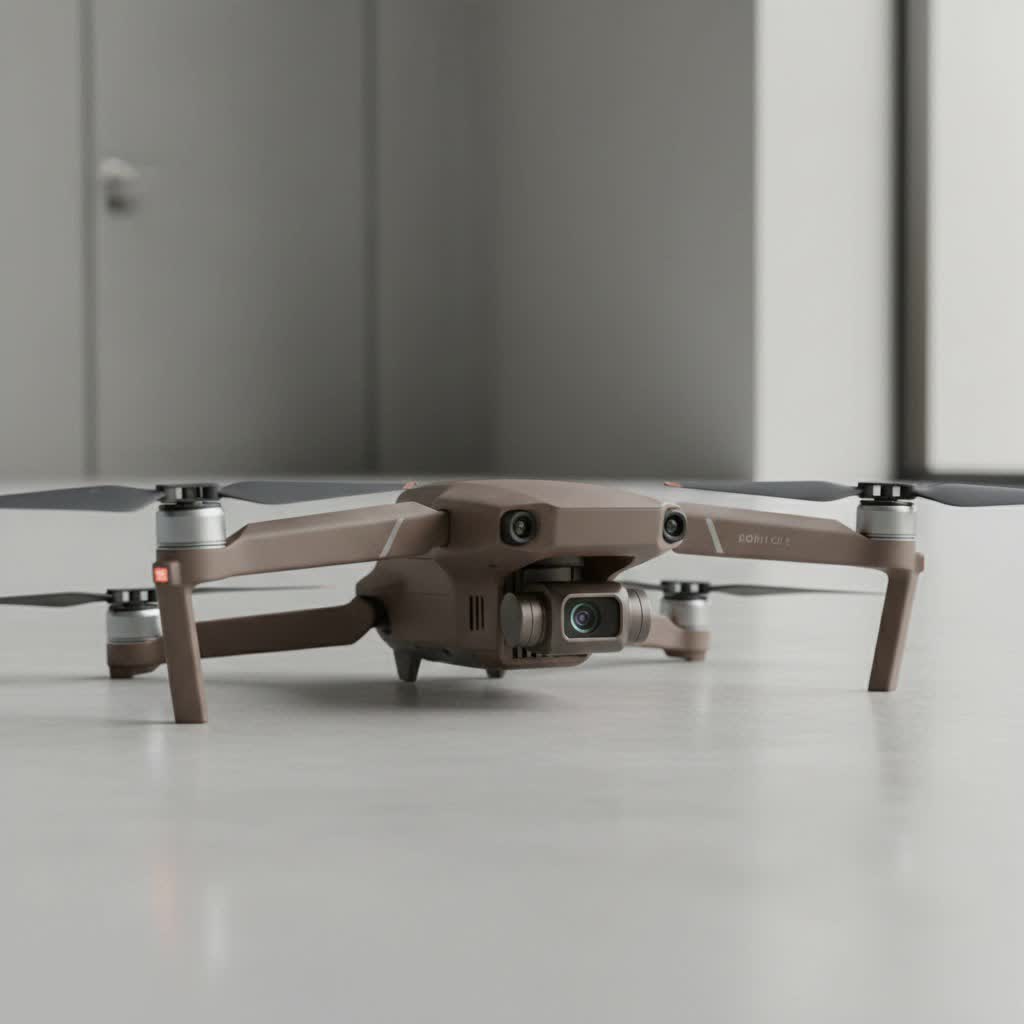
At its core, drone photography offers one thing that ground-level shooting never can: a radically new perspective. Imagine capturing the intricate patterns of a coastline, the perfect symmetry of a city block, or the vibrant tapestry of autumn leaves from 400 feet up. This isn’t just a novelty; it fundamentally changes how you approach composition and storytelling. You can create images that are abstract, grand, and awe-inspiring in equal measure. This unique viewpoint allows you to transform ordinary scenes into extraordinary works of art, providing a powerful tool for photographers, filmmakers, and content creators alike.
Choosing Your First Camera Drone: The 2025 Buyer’s Guide
Selecting the right drone is the most critical first step in your aerial journey. The technology has advanced so rapidly that today’s entry-level models pack features that were once reserved for professional Hollywood rigs. But with so many options, it’s easy to get overwhelmed. Let’s break down what truly matters.
Key Features to Look For
- Camera Sensor Size: This is arguably the most important factor for image quality. A larger sensor (like a 1-inch or 4/3-inch sensor) captures more light, resulting in photos with better detail, less noise in low-light conditions, and a wider dynamic range. This gives you much more flexibility in post-processing.
- Flight Time and Battery Life: Most modern drones offer flight times between 30 and 45 minutes per battery. Longer flight times mean more opportunity to explore, compose your shot, and wait for the perfect light without the stress of a rapidly draining battery. Always invest in extra batteries.
- Portability and Weight: Consider where you’ll be flying. If you’re a hiker or traveler, a lightweight, foldable drone that weighs under 250g (like the DJI Mini series) is a massive advantage. In many countries, drones under this weight class have fewer registration requirements, making them much easier to fly legally.
- Intelligent Flight Modes: Features like subject tracking (ActiveTrack), automated flight paths (waypoints), and omnidirectional obstacle avoidance are incredibly useful. They handle the complexities of flying, freeing you up to concentrate on the creative aspects of framing your perfect shot.
|
Our Picks for the Best Drone in 2026
As an Amazon Associate I earn from qualifying purchases.
|
||
| Num | Product | Action |
|---|---|---|
| 1 | DJI Neo Three-Battery Combo, Mini Drone with 4K UHD Camera for Adults, 135g Self Flying Drone that Follows You, Palm Takeoff, Subject Tracking, QuickShots, Stabilized Video (Controller-Free) |

|
| 2 | DJI Mini 3 (DJI RC), Lightweight 3x Mechanical Gimbal Drones with Camera for Adults 4K, 38-min Flight Time, up to 32800ft (10km) Video Transmission, Vertical Shooting, GPS Auto Return Integrated |
|
| 3 | LỖI |
|
| 4 | Drone with Camera 1080P HD FPV Foldable Drone for Adults and Beginners, RC Quadcopter with Gravity Control, One Key Take Off/Land, Optical Flow Positioning, 360° Flip, 3 Speed Mode, Waypoint Fly Grey |
|
| 5 | DJI Neo, Mini Drone with 4K UHD Camera for Adults, 135g Self Flying Drone that Follows You, Palm Takeoff, Subject Tracking, QuickShots, Stabilized Video, Built-In Propeller Guard (Controller-Free) |
|
| 6 | Drone with Camera for Adults, 2K HD FPV Drones with Upgrade Altitude Hold, One-Key Take Off/Landing, Speed Adjustment, Headless Mode, 2 Batteries, Toys Gifts for Teen Boys Girls, Beginner |
|
| 7 | DJI Mini 5 Pro Fly More Combo with DJI RC 2, Drone with Camera, 1-Inch CMOS, 4K Drone for Beginners with Omnidirectional Obstacle Sensing, ActiveTrack 360°, 225° Gimbal Rotation, 3 Batteries |
|
| 8 | Drone with Camera - Drones for Adults, with 2 Batteries, Carrying Case, Propellers, 1080P HD Foldable Drone with Stable Hover, Trajectory Flight, Gravity Control, One Key Take Off/Land, 3D Flip |
|
| 9 | DJI Mini 3 Fly More Combo (DJI RC), Drones with Camera for Adults 4K, 3 Batteries for 114-min Flight Time, Vertical Shooting, 32800ft (10km) Video Transmission, Lightweight Mini Drone for Beginners |
|
| 10 | Drone with 1080P Camera for Beginners and Adults, Foldable Remote Control Quadcopter with Voice Control, Gestures Selfie, Altitude Hold, One Key Start, 3D Flips, 2 Batteries, Toy for Beginners |
|
“A great drone doesn’t just fly well; it becomes an intuitive extension of the photographer’s eye. Look for a machine that automates the technicalities so you can focus on the artistry.” – Alex Hartman, Aerial Cinematographer
Top Picks for Every Pilot
- For Beginners & Travelers: DJI Mini 4 Pro
This sub-250g drone is a marvel of engineering. It packs a surprisingly capable camera, excellent flight time, and advanced features like omnidirectional obstacle sensing, making it both powerful and incredibly safe for new pilots. - The All-Rounder: DJI Air 3S
Hitting the sweet spot between portability and power, the Air 3S typically features a larger sensor than a mini drone and often includes a dual-camera system with both wide and telephoto lenses. It’s the perfect workhorse for serious hobbyists and prosumers. - For the Professional: DJI Mavic 4 Pro
For those who demand the absolute best image quality, the Mavic 4 Pro (or its equivalent) is the gold standard. With its massive sensor, multiple lenses, and professional video codecs, it delivers imagery that can stand up on a cinema screen.
Before You Fly: Essential Drone Laws and Safety Rules
Flying a drone is a huge responsibility. You’re not just a photographer; you’re a pilot. Understanding and respecting the rules is non-negotiable for ensuring the safety of people and property on the ground.
Know the Law
In the United States, the Federal Aviation Administration (FAA) sets the rules. Here are the absolute basics:
- Recreational vs. Commercial: If you’re flying purely for fun, you can follow the recreational rules. If your drone photography is for any business purpose (even selling prints or monetizing a YouTube channel), you must obtain an FAA Part 107 certificate.
- Altitude Limit: Never fly higher than 400 feet above ground level (AGL).
- Visual Line of Sight (VLOS): You must be able to see your drone with your own eyes at all times.
- No-Fly Zones: Be aware of restricted airspace. This includes airports, military bases, national parks, and temporary flight restrictions (TFRs) over events like sports games. Use an app like the FAA’s B4UFLY or Aloft (formerly Airware) to check the airspace before every flight.
Your Pre-Flight Checklist
Never launch without running through a quick mental or written checklist. This habit will save you from costly mistakes.
- Weather Check: Is it too windy? Is rain forecast? High winds can be dangerous, and moisture will destroy your drone.
- Equipment Check: Are propellers undamaged? Is the gimbal clear? Are batteries fully charged (for both the drone and the controller)?
- Airspace Check: Use an app to confirm you are clear to fly in your chosen location.
- Return-to-Home (RTH) Altitude: Set your RTH height to be taller than the highest obstacle in your area (e.g., trees, buildings).
- SD Card: Is there enough space on your memory card? Is it properly inserted?
From Takeoff to Perfect Shot: Drone Photography Tips for Beginners
Once you’ve handled the technical and legal checks, the real fun begins. Here’s how to start capturing incredible images.
Master the Basics of Flight
Before you even think about photography, find a large, open field and just practice. Get comfortable with the controls. Learn how the drone moves, how it responds to wind, and how to perform smooth, deliberate maneuvers. Confidence in your flying skills is the foundation of good drone photography.
Unlocking Your Drone’s Camera Settings
- RAW vs. JPEG: Why RAW is King: Always shoot in RAW format. A RAW file is like a digital negative; it captures all the unprocessed data from the camera’s sensor. This gives you maximum flexibility when editing to adjust exposure, recover shadows and highlights, and fine-tune colors. JPEGs are compressed and processed in-camera, limiting your creative control.
- The Exposure Triangle from the Sky: While many drones have a fixed aperture, you can still control ISO and shutter speed. Keep your ISO as low as possible (typically 100) to minimize noise and maximize image quality. Adjust your shutter speed to achieve the correct exposure. For smooth video, a general rule is to set your shutter speed at double your frame rate (e.g., 1/60s for 30fps video), often requiring ND filters in bright daylight.
Composition Techniques for Aerial Images
The old rules of photography still apply, but they take on a new life from above.
- The Bird’s-Eye View (Top-Down): Pointing your camera straight down is one of the most powerful and unique shots a drone can capture. Look for interesting patterns, textures, and geometry. A boat’s wake, a forest canopy, or rows of crops can become stunning abstract art.
- Finding Patterns and Symmetry: From the air, the world is full of repeating shapes and lines. Use these patterns to create visually satisfying and balanced compositions.
- Using Leading Lines: Roads, rivers, coastlines, and shadows make for powerful leading lines. Use them to guide the viewer’s eye through your image and create a sense of depth and scale.
How Do I Take My Drone Photos to the Next Level?
To elevate your work from simple snapshots to compelling photographs, you should start incorporating more advanced shooting methods that take full advantage of your drone’s capabilities.
Shooting Panoramas
Most drones have an automated panorama mode that can stitch together multiple photos to create a sweeping, high-resolution landscape image. This is a fantastic way to capture the sheer scale of a scene that a single frame cannot contain.
Using Auto Exposure Bracketing (AEB)
For scenes with a high dynamic range, like a sunset with a dark foreground, use AEB. The drone will automatically take 3 or 5 photos at different exposures (underexposed, normal, overexposed). You can later merge these images in software like Adobe Lightroom to create a single High Dynamic Range (HDR) photo where both the bright sky and dark shadows are perfectly exposed.
Experimenting with Altitude and Angles
Don’t just fly straight up to 400 feet. Some of the most compelling drone shots are taken from lower altitudes (50-150 feet). Experiment with different heights and gimbal angles to see how the perspective and relationship between foreground and background elements change.
The Final Touch: Post-Processing Your Aerial Photos
Shooting in RAW is only half the battle. The magic happens in post-processing. Using software like Adobe Lightroom or Photoshop, you can bring your aerial photos to life. This is where you correct colors, adjust contrast, and creatively enhance your images to match your artistic vision. A little bit of editing can transform a flat, dull RAW file into a vibrant and impactful final photograph.
Frequently Asked Questions (FAQ)
What’s the best time of day for drone photography?
The golden hours—the first hour after sunrise and the last hour before sunset—are the best. The light is soft, warm, and creates long, dramatic shadows that reveal texture and add depth to your images.
Do I need a license for drone photography?
If you are flying for purely recreational purposes in the U.S., you do not need a Part 107 license, but you must pass The Recreational UAS Safety Test (TRUST). If you intend to use the photos for any commercial purpose, you must have a Part 107 license.
How high can I legally fly my drone?
The maximum legal altitude is 400 feet above ground level (AGL). If you are flying over a tall structure, you can fly up to 400 feet above the top of that structure.
Can I fly my drone in windy conditions?
Most consumer drones can handle moderate winds (15-20 mph), but it will reduce your battery life and can make it difficult to capture stable, sharp photos. It is best to avoid flying in strong winds. Always check the wind forecast before you fly.
What is the most common mistake beginners make?
The most common mistake is neglecting pre-flight preparation. This includes failing to check airspace regulations, not properly calibrating the drone’s compass, or not setting a safe Return-to-Home altitude, all of which can lead to a crash or a lost drone.
Conclusion: Your Journey into Aerial Artistry Begins Now
Drone photography is more than a technical skill; it’s a new form of creative expression. It’s an invitation to see the world differently and to share that vision with others. The tools available today are more powerful and accessible than ever before. By combining the right gear with a solid understanding of safety, technique, and composition, you are well on your way to capturing truly breathtaking aerial images. So get out there, fly safe, and start creating. The sky is waiting for you.
