Welcome to the world of the Drone Aircraft, a technology that has soared from niche military projects to mainstream commercial and recreational use. Whether you’re a curious hobbyist, a professional photographer, or a business owner looking to leverage cutting-edge tech, understanding the fundamentals of drone aircraft is the first step toward mastering the skies. As an expert with over 15 years in the field, I’ve seen these machines evolve into powerful tools that are reshaping industries. This guide, brought to you by RVSWS, will walk you through everything you need to know.
What Exactly Is a Drone Aircraft?
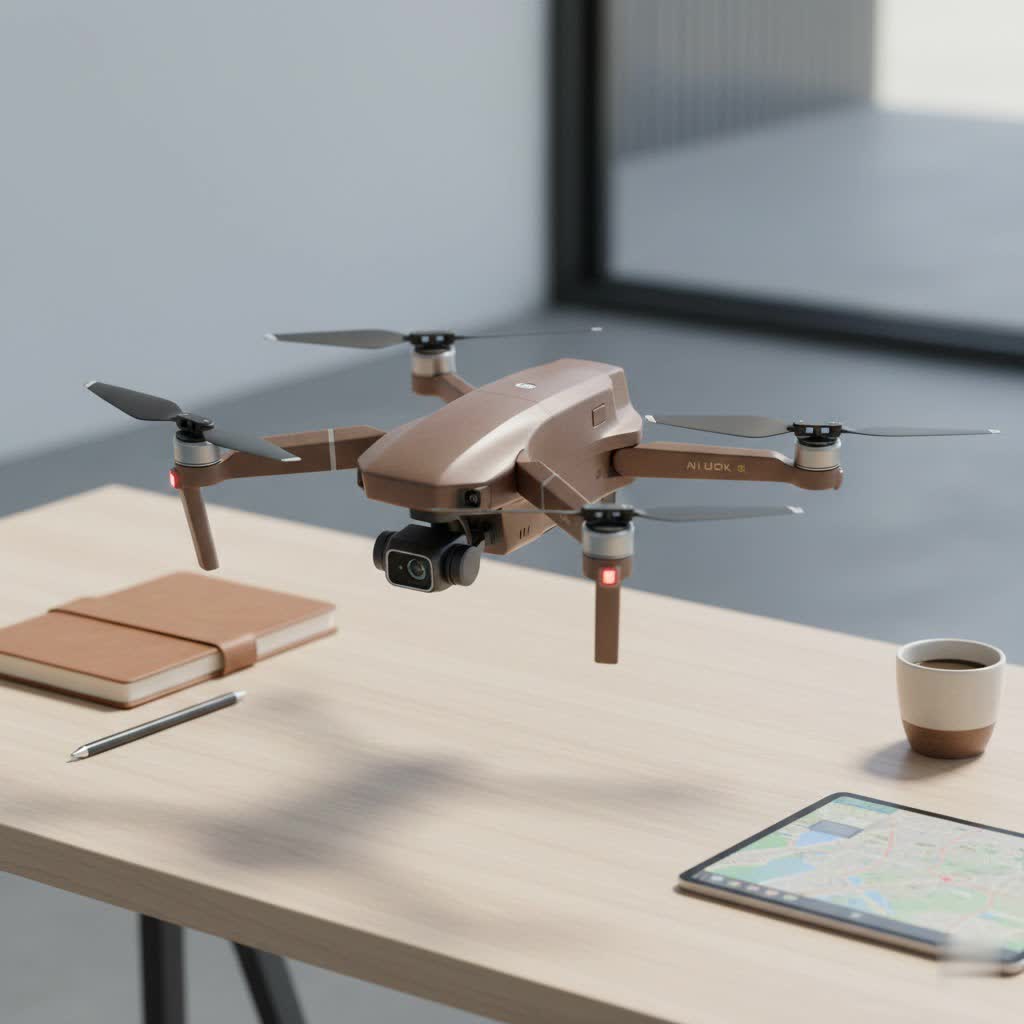
A drone aircraft, officially known as an Unmanned Aerial Vehicle (UAV) or Unmanned Aircraft System (UAS), is a sophisticated flying robot. It operates without a human pilot on board and can be controlled remotely by an operator on the ground or fly autonomously through a pre-programmed flight path using GPS and onboard sensors. Initially developed for military missions deemed too dangerous or dull for humans, these aircraft have become accessible, versatile, and indispensable in countless civilian applications.
The Main Types of Drone Aircraft Explained
Understanding the different categories of drone aircraft is crucial for choosing the right one. Each type has a unique design that dictates its flight characteristics, capabilities, and best-use scenarios.
Multi-Rotor Drones
When you picture a drone, you’re most likely thinking of a multi-rotor model. These are the most common and popular types on the market, especially for consumers and media professionals. They are defined by having multiple propellers, with the most common configurations being:
- Quadcopters (4 rotors): The most popular design, offering a great balance of stability, control, and affordability.
- Hexacopters (6 rotors): Provide more lifting power and redundancy; they can often stay airborne even if one motor fails.
- Octocopters (8 rotors): Primarily used for heavy-duty professional cinematography and carrying substantial payloads.
|
Our Picks for the Best Drone in 2026
As an Amazon Associate I earn from qualifying purchases.
|
||
| Num | Product | Action |
|---|---|---|
| 1 | DJI Neo, Mini Drone with 4K UHD Camera for Adults, 135g Self Flying Drone that Follows You, Palm Takeoff, Subject Tracking, QuickShots, Stabilized Video, Built-In Propeller Guard (Controller-Free) |

|
| 2 | DJI Neo Three-Battery Combo, Mini Drone with 4K UHD Camera for Adults, 135g Self Flying Drone that Follows You, Palm Takeoff, Subject Tracking, QuickShots, Stabilized Video (Controller-Free) |
|
| 3 | Drone with Camera for Adults, 2K HD FPV Drones with Upgrade Altitude Hold, One-Key Take Off/Landing, Speed Adjustment, Headless Mode, 2 Batteries, Toys Gifts for Teen Boys Girls, Beginner |
|
| 4 | Drone with Camera - Drones for Adults, with 2 Batteries, Carrying Case, Propellers, 1080P HD Foldable Drone with Stable Hover, Trajectory Flight, Gravity Control, One Key Take Off/Land, 3D Flip |
|
| 5 | DJI Mini 3 Fly More Combo (DJI RC), Drones with Camera for Adults 4K, 3 Batteries for 114-min Flight Time, Vertical Shooting, 32800ft (10km) Video Transmission, Lightweight Mini Drone for Beginners |
|
| 6 | DJI Mini 5 Pro Fly More Combo with DJI RC 2, Drone with Camera, 1-Inch CMOS, 4K Drone for Beginners with Omnidirectional Obstacle Sensing, ActiveTrack 360°, 225° Gimbal Rotation, 3 Batteries |
|
| 7 | Drone with 1080P Camera for Beginners and Adults, Foldable Remote Control Quadcopter with Voice Control, Gestures Selfie, Altitude Hold, One Key Start, 3D Flips, 2 Batteries, Toy for Beginners |
|
| 8 | Drone with Camera 1080P HD FPV Foldable Drone for Adults and Beginners, RC Quadcopter with Gravity Control, One Key Take Off/Land, Optical Flow Positioning, 360° Flip, 3 Speed Mode, Waypoint Fly Grey |
|
| 9 | DJI Mini 3 (DJI RC), Lightweight 3x Mechanical Gimbal Drones with Camera for Adults 4K, 38-min Flight Time, up to 32800ft (10km) Video Transmission, Vertical Shooting, GPS Auto Return Integrated |
|
| 10 | LỖI |
|
Multi-rotor drones excel at hovering in a fixed position and vertical takeoff and landing (VTOL), making them perfect for aerial photography, videography, and inspections in confined areas. Their primary drawback is a relatively short flight time, typically ranging from 15 to 30 minutes, due to the high energy consumption required to stay aloft.
Fixed-Wing Drones
Fixed-wing drones look and fly like traditional airplanes. Instead of using rotors to lift off vertically, they generate lift using their wings as they move forward. This design makes them incredibly efficient for long-distance and long-endurance flights.
These drones are the workhorses for large-scale projects such as agricultural surveying, pipeline monitoring, and aerial mapping. They can cover vast areas of land in a single flight, often staying in the air for an hour or more. However, they cannot hover and require a runway or catapult for takeoff and a large open area for landing, which makes them unsuitable for many close-quarters tasks.
Single-Rotor Drones
A single-rotor drone aircraft closely resembles a traditional helicopter. It features one large, main rotor and a smaller tail rotor to control its heading. This design combines some of the best features of the other types. They offer the long endurance and heavy payload capacity often associated with gas-powered engines, along with the ability to hover and perform VTOL maneuvers.
However, their complexity comes at a cost. Single-rotor drones are more expensive, more challenging to fly, and their large, fast-spinning blades pose a greater safety risk. They are typically reserved for specialized industrial tasks like LiDAR scanning and transporting heavy equipment.
Fixed-Wing Hybrid VTOL
Representing the cutting edge of drone aircraft technology, hybrid VTOL models aim to deliver the best of both worlds. These aircraft are designed to take off and land vertically like a multi-rotor drone but can transition to efficient, wing-borne forward flight like a fixed-wing drone. This eliminates the need for runways while providing the long endurance required for large-scale missions. While still an emerging category, they hold immense promise for applications like package delivery and long-range surveillance.
How to Choose the Right Drone Aircraft for Your Needs
Selecting the perfect drone depends entirely on your intended use. Here’s a simple breakdown to guide your decision:
For Photography and Videography
For stunning aerial shots and dynamic videos, a multi-rotor drone (specifically a quadcopter) is your best bet. Their ability to hover provides a stable platform for cameras, and their intuitive controls make it easy to frame the perfect shot. Look for models with a high-quality camera, a 3-axis gimbal for stabilization, and intelligent flight modes.
For Racing and Hobbyists
If you’re in it for the thrill of flying, a First-Person View (FPV) racing quadcopter is the way to go. These are small, agile, and built for speed and maneuverability. They transmit a live video feed directly to a pair of goggles, giving the pilot an immersive, in-the-cockpit experience.
For Commercial Applications
For tasks like agricultural analysis, construction site mapping, or infrastructure inspection, the choice depends on scale. Fixed-wing drones are ideal for covering large areas efficiently. For detailed inspection of structures like wind turbines or bridges, the hovering precision of a high-end multi-rotor drone is superior.
“The key is to match the aircraft’s strengths to the mission’s demands. Don’t use a hammer for a screw’s job. A fixed-wing drone can map a hundred acres in the time a quadcopter maps ten, but it can’t give you a detailed close-up of a single cell tower.” – Dr. Alistair Finch, Aviation Technology Expert.
Understanding the Rules: Drone Aircraft Regulations
Flying a drone aircraft isn’t as simple as taking it out of the box and launching it. Governments worldwide have established regulations to ensure safety. In the United States, the Federal Aviation Administration (FAA) governs drone usage. While rules vary by country and region, some general principles apply almost everywhere:
- Registration: Drones above a certain weight (250 grams or 0.55 lbs in the U.S.) must be registered with the national aviation authority.
- Fly Below Altitude Limits: Most regions restrict flights to below 400 feet (120 meters) to avoid conflict with manned aircraft.
- Maintain Visual Line of Sight (VLOS): You must be able to see your drone aircraft with your own eyes at all times.
- Avoid Restricted Airspace: Stay away from airports, stadiums, military bases, and other no-fly zones.
- Respect Privacy: Do not fly over private property or record people without their permission.
Always check the specific laws of your local jurisdiction before your first flight. Ignorance is not an excuse and can lead to hefty fines.
Essential Tips for Flying Your Drone Aircraft Safely
Safety should be your top priority. A well-executed flight is a safe one. Here is a pre-flight checklist to run through every single time:
- Check the Weather: Avoid flying in high winds, rain, or snow.
- Inspect Your Equipment: Ensure propellers are secure, batteries are fully charged, and there is no visible damage to the drone.
- Calibrate the Compass: Calibrate your drone’s compass before the first flight in a new location to ensure GPS accuracy.
- Survey Your Surroundings: Identify potential hazards like power lines, trees, buildings, and people.
- Ensure a Clear Takeoff/Landing Zone: Make sure the area is flat, stable, and free of obstructions.
- Fly Responsibly: Don’t fly over crowds or moving vehicles. Be a good ambassador for the drone community.
Basic Maintenance to Keep Your Drone in the Air
Proper care will extend the life of your drone aircraft and prevent accidents.
- Clean Regularly: Use a soft cloth and compressed air to remove dust and debris from motors and camera gimbals.
- Inspect Propellers: Check for nicks, cracks, or warping. Damaged propellers are a major cause of crashes. Replace them immediately.
- Monitor Battery Health: Store batteries at around 50% charge in a cool, dry place. Avoid overcharging or fully depleting them. Check for any swelling or damage, and dispose of compromised batteries properly.
- Update Firmware: Manufacturers regularly release updates to improve flight stability, add features, and patch security vulnerabilities. Always keep your drone and controller firmware up to date.
Frequently Asked Questions (FAQ)
What is the difference between a drone and a UAV?
Essentially, there is no difference. “Drone” is the common, popular term, while Unmanned Aerial Vehicle (UAV) is the more official, technical term used by aviation authorities and industry professionals.
How far can a drone aircraft fly?
The range varies dramatically by model. Consumer drones typically have a range of 4 to 10 kilometers (2.5 to 6 miles), limited by the controller’s signal. Professional long-endurance fixed-wing drones can fly for hundreds of miles.
Do I need a license to fly a drone?
For recreational flying in many countries, a license is not required, but you may need to pass a basic safety test. For any commercial use (e.g., selling photos, conducting inspections for a fee), a remote pilot certificate or license is almost always mandatory.
What happens if a drone loses its signal?
Modern drone aircraft are equipped with a “Return to Home” (RTH) feature. If the signal between the controller and the drone is lost, the drone will use its GPS to automatically fly back to its recorded takeoff point.
Can drones fly in the dark?
Yes, most drones can fly at night, but it requires more skill. For safety, drones are required to have anti-collision lights visible for at least 3 statute miles to fly legally at night in many regions, including under FAA rules.
Conclusion
The drone aircraft is more than just a flying camera; it’s a transformative technology with boundless potential. From capturing breathtaking landscapes to making industries safer and more efficient, these remarkable machines are here to stay. By understanding the different types, following the rules, and prioritizing safety, you can confidently take to the skies. At RVSWS, we believe that an educated pilot is a great pilot. Now, go out there, fly safe, and create something amazing.
