Ever felt that the perfect fishing spot was just beyond your casting range? We’ve all been there, watching the water churn with activity, tantalizingly out of reach. But what if you could effortlessly drop your line exactly where the fish are, hundreds of meters from the shore? Welcome to the revolutionary world of the Fishing Drone, a game-changing tool that blends modern technology with the timeless art of angling. Here at RVSWS, with over 15 years of drone expertise, we’re here to guide you through this exciting innovation.
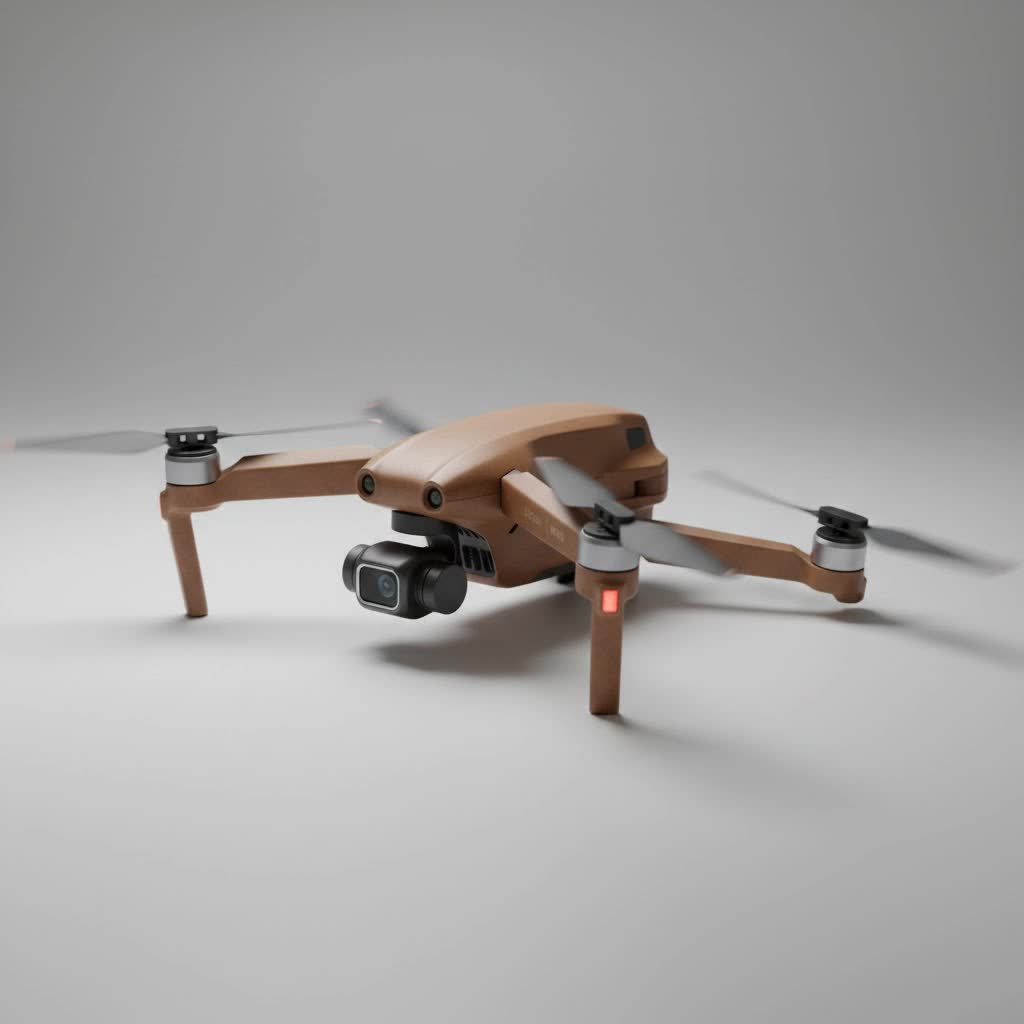
A fishing drone is more than just a flying camera; it’s a specialized unmanned aerial vehicle (UAV) designed to give you an “eye in the sky” and the ability to cast your line with unparalleled precision and distance. It transforms your fishing experience from a game of chance into a strategic pursuit.
What Makes a Drone a Fishing Drone?
At its core, a fishing drone is a robust, reliable drone equipped with a crucial accessory: a payload release mechanism. This device securely attaches to the underside of the drone and holds onto your fishing line. With the press of a button on your remote controller, the mechanism releases, dropping your baited hook exactly where you want it.
Key components include:
- The Drone: Typically a quadcopter with strong motors, excellent stability in wind, and a decent payload capacity to carry your bait and line.
- High-Definition Camera: A live video feed sent to your controller or smartphone is essential. It allows you to scout for underwater structures, baitfish schools, or even the trophy fish you’re targeting.
- Payload Release Mechanism: This can be a simple mechanical clip or a more sophisticated electronic system that integrates with the drone’s controls.
- GPS and “Return to Home” (RTH): These features are non-negotiable for safety. GPS holds the drone steady over a spot, and the RTH function automatically brings the drone back to its takeoff point if the signal is lost or the battery runs low.
“Think of a fishing drone as the ultimate scout and delivery service,” notes David Chen, a professional drone cinematographer and avid angler. “It lets you survey the entire area from above, identify the most promising spots, and then deliver your bait with pinpoint accuracy, all without spooking the fish.”
Why Use a Drone for Fishing? The Unfair Advantage
Integrating a fishing drone into your setup isn’t just a novelty; it offers tangible advantages that can dramatically increase your success rate, especially in surf fishing or large lake environments.
Spotting Fish from Above
The most significant advantage is the aerial perspective. A drone’s camera, often equipped with a polarizing filter to reduce glare, can see through the water’s surface in a way that’s impossible from the shore. You can easily spot:
- Fish Schools: See where baitfish are congregating, a sure sign that larger predators are nearby.
- Underwater Structures: Identify reefs, rock formations, and channels where fish love to hide.
- Individual Fish: In clear water, you can often spot large, individual fish, allowing you to target them directly.
|
Our Picks for the Best Drone in 2026
As an Amazon Associate I earn from qualifying purchases.
|
||
| Num | Product | Action |
|---|---|---|
| 1 | Drone with Camera - Drones for Adults, with 2 Batteries, Carrying Case, Propellers, 1080P HD Foldable Drone with Stable Hover, Trajectory Flight, Gravity Control, One Key Take Off/Land, 3D Flip |

|
| 2 | DJI Mini 5 Pro Fly More Combo with DJI RC 2, Drone with Camera, 1-Inch CMOS, 4K Drone for Beginners with Omnidirectional Obstacle Sensing, ActiveTrack 360°, 225° Gimbal Rotation, 3 Batteries |
|
| 3 | Drone with Camera for Adults, 2K HD FPV Drones with Upgrade Altitude Hold, One-Key Take Off/Landing, Speed Adjustment, Headless Mode, 2 Batteries, Toys Gifts for Teen Boys Girls, Beginner |
|
| 4 | LỖI |
|
| 5 | DJI Neo Three-Battery Combo, Mini Drone with 4K UHD Camera for Adults, 135g Self Flying Drone that Follows You, Palm Takeoff, Subject Tracking, QuickShots, Stabilized Video (Controller-Free) |
|
| 6 | DJI Mini 3 Fly More Combo (DJI RC), Drones with Camera for Adults 4K, 3 Batteries for 114-min Flight Time, Vertical Shooting, 32800ft (10km) Video Transmission, Lightweight Mini Drone for Beginners |
|
| 7 | DJI Neo, Mini Drone with 4K UHD Camera for Adults, 135g Self Flying Drone that Follows You, Palm Takeoff, Subject Tracking, QuickShots, Stabilized Video, Built-In Propeller Guard (Controller-Free) |
|
| 8 | DJI Mini 3 (DJI RC), Lightweight 3x Mechanical Gimbal Drones with Camera for Adults 4K, 38-min Flight Time, up to 32800ft (10km) Video Transmission, Vertical Shooting, GPS Auto Return Integrated |
|
| 9 | Drone with Camera 1080P HD FPV Foldable Drone for Adults and Beginners, RC Quadcopter with Gravity Control, One Key Take Off/Land, Optical Flow Positioning, 360° Flip, 3 Speed Mode, Waypoint Fly Grey |
|
| 10 | Drone with 1080P Camera for Beginners and Adults, Foldable Remote Control Quadcopter with Voice Control, Gestures Selfie, Altitude Hold, One Key Start, 3D Flips, 2 Batteries, Toy for Beginners |
|
Precision Casting Like Never Before
Even the most experienced angler is limited by how far and accurately they can cast. A drone eliminates this physical barrier. You can fly your line out 500 meters or more, far beyond the reach of a traditional cast, to reach drop-offs and channels where bigger fish feed. You don’t just get distance; you get accuracy. See a promising spot on the camera feed? You can hover directly over it and drop your line with surgical precision.
Accessing Unreachable Spots
Every angler knows the frustration of seeing a perfect fishing spot that’s inaccessible from the shore due to cliffs, dense vegetation, or private property. A fishing drone acts as your long-range extension, allowing you to fish these untouched honey holes without ever leaving your spot on the beach.
How to Choose the Best Fishing Drone
With the growing popularity of drone fishing, the market is filled with options. When selecting your fishing drone, focus on the features that matter most for angling.
Key Features to Look For
- Flight Time: The longer the battery life, the more time you have for scouting and dropping your line. Aim for a drone with at least 25-30 minutes of flight time per battery.
- Payload Capacity: Ensure the drone can comfortably carry the weight of your bait, sinker, and line. A payload capacity of at least 500 grams (about 1 lb) is a good starting point.
- Water Resistance: Fishing often involves salt spray and unpredictable weather. A water-resistant or fully waterproof drone, like those from Swellpro, provides peace of mind and durability. While many standard drones like the DJI Mavic series can be used, they are not designed for water exposure.
- Range: Look for a drone with a stable, long-range transmission signal to ensure you maintain control as you fly your line far offshore.
- Wind Resistance: Coastal areas are often windy. A drone with powerful motors and excellent GPS stability is crucial to hold its position and fly safely in breezy conditions.
| Feature | Basic Drone (e.g., DJI Mini) | Mid-Range Drone (e.g., DJI Air) | Specialized Fishing Drone (e.g., Swellpro) |
|---|---|---|---|
| Payload Capacity | Low (not recommended) | Moderate (suitable for light bait) | High (designed for heavy baits) |
| Water Resistance | None | None | IP67 Waterproof |
| Flight Time | 25-30 mins | 30-40 mins | 25-30 mins |
| Key Advantage | Cost-effective | Great camera, good stability | Durability, purpose-built |
How to Fish with a Drone: A Step-by-Step Guide
Getting started with your fishing drone is straightforward. Follow these steps for a safe and successful trip.
- Perform Pre-Flight Checks: Before you begin, always check your gear. Ensure drone and controller batteries are fully charged, propellers are secure, and you have a strong GPS signal.
- Attach the Release Mechanism: Securely fasten the payload release mechanism to the bottom of your drone according to the manufacturer’s instructions.
- Rig Your Fishing Rod: Prepare your rod and reel as you normally would. Open the bail on your spinning reel or engage the free-spool on a conventional reel to allow the line to unspool freely.
- Attach the Line to the Drone: Take off and hover the drone a safe distance away. Carefully walk your fishing line over and attach it to the release mechanism.
- Fly the Bait Out: Slowly and smoothly fly the drone out over the water. Keep an eye on your reel to ensure the line is not tangling. Use the camera feed to find the perfect spot.
- Drop the Line: Once you are hovering over your target, press the release button on your controller. The mechanism will open, dropping your bait into the water.
- Return the Drone: Fly the drone back to your takeoff location. Many drones have an automatic “Return to Home” feature that simplifies this step.
- Start Fishing: Close the bail on your reel, tighten your line, and wait for a bite, just as you normally would.
Are Fishing Drones Legal? Know Before You Fly
Regulations for using a fishing drone vary by location, so it’s crucial to check local laws. In the United States, the Federal Aviation Administration (FAA) governs drone usage.
- Visual Line of Sight (VLOS): You must be able to see your drone with your own eyes at all times.
- Recreational Use: If you are flying for fun, you should take The Recreational UAS Safety Test (TRUST) and carry proof of completion.
- Registration: Drones weighing 250 grams (0.55 lbs) or more must be registered with the FAA.
- Restricted Airspace: Be aware of and avoid restricted airspace, such as airports, military bases, and national parks.
Using a drone to simply transport and drop a line is generally permissible under recreational rules. However, using it to drag or pull a fish from the water may be prohibited by local fish and game regulations. Always check with your state and local authorities.
Frequently Asked Questions (FAQ)
What is the best drone for fishing?
The “best” drone depends on your budget and needs. For serious anglers, a purpose-built waterproof drone like the Swellpro SplashDrone 4 is an excellent choice. For those on a budget who are careful around water, a DJI drone like the Mavic or Air series fitted with an aftermarket release clip is also a very popular option.
How far can a fishing drone fly?
Most modern drones have a range of several kilometers. However, regulations require you to keep the drone within your visual line of sight. For fishing, a practical distance is typically between 200 and 500 meters, which is more than enough to reach prime fishing spots from the shore.
Can a drone pull a fish out of the water?
No, a fishing drone should not be used to fight or pull a fish. Its purpose is solely to act as a delivery system for your bait and line. The fight is still between you, your rod, and the fish. Attempting to lift a fish with the drone is illegal in many places and could cause you to lose both the fish and your drone.
Do I need a special rod and reel for drone fishing?
While you don’t need a specific “drone fishing rod,” you do need a reel with a high line capacity to accommodate the long distances you’ll be dropping your bait. A reel that can hold at least 500 meters of your chosen line is recommended.
Is using a drone for fishing considered cheating?
This is a topic of debate among anglers. Some traditionalists feel it takes away from the sport, while others see it as using modern tools to be more effective, similar to fish finders or GPS. Ultimately, as long as you are following all local laws and regulations, it is a legitimate and highly effective method of fishing.
The Future of Angling is Here
A fishing drone is a powerful tool that opens up a new world of possibilities for anglers. It provides an unmatched aerial perspective, allows for incredible casting distance, and gives you access to previously unfishable waters. By understanding the technology, choosing the right equipment, and flying responsibly, you can elevate your fishing experience to a whole new level. It’s time to take to the skies and get your line where the fish are biting.
