Ever seen those jaw-dropping aerial shots in movies or on YouTube and wondered how they were filmed? Chances are, you were looking at footage from a 4k Drone. These incredible flying cameras have completely changed the game for photographers, filmmakers, and hobbyists alike, making it possible for anyone to capture stunning, professional-quality video from the sky. If you’re ready to take your content to the next level, a 4K drone is your ticket to a whole new world of creative possibilities.
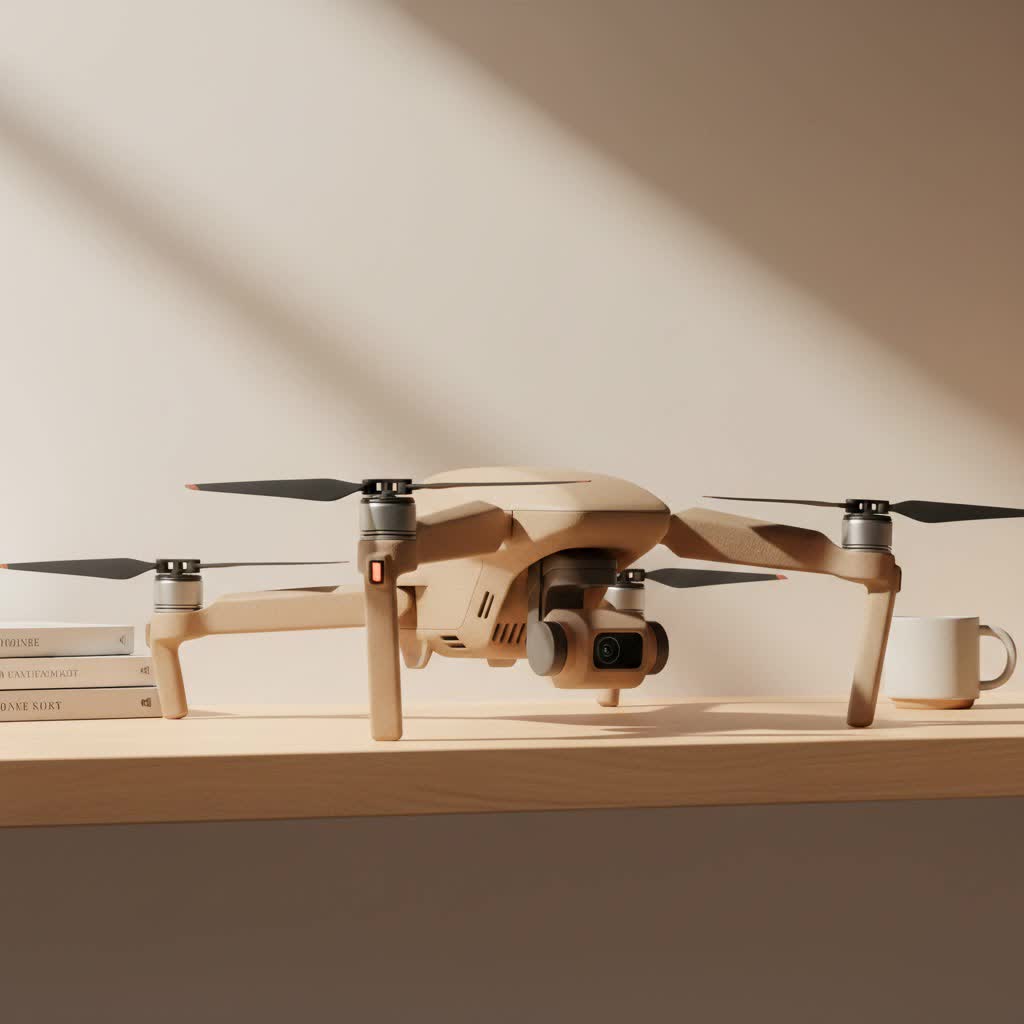
This guide is your co-pilot for navigating the exciting world of 4K drones. We’ll break down what makes them so special, help you choose the right model without getting lost in technical jargon, and share essential tips to get you flying safely and confidently.
What Exactly Defines a 4K Drone?
At its core, a 4K drone is an unmanned aerial vehicle (UAV) equipped with a camera that records video at 4K resolution. But what does “4K” actually mean? It refers to the number of horizontal pixels in the image, which is approximately 4,000 (typically 3840 x 2160 pixels). This is four times the pixel count of standard 1080p Full HD, which was the gold standard just a few years ago.
Think of it like this: more pixels mean a sharper, more detailed, and more vibrant image. With a 4K drone, you can see individual leaves on trees from hundreds of feet away, capture the subtle textures of a mountain range, and produce footage that looks crisp and clear even on a large television screen. It’s the difference between seeing a picture and feeling like you’re actually there.
How to Choose the Best 4K Drone for You
With so many options on the market, picking the right 4K drone can feel overwhelming. Don’t worry. By focusing on a few key areas, you can easily narrow down the choices to find the perfect drone for your specific needs and budget.
Camera Quality: The Heart of the Drone
The camera is the star of the show. While all the drones we’re discussing shoot in 4K, not all 4K is created equal. Here’s what to look for:
- Sensor Size: A larger camera sensor (like a 1-inch or 4/3 CMOS) can capture more light. This results in better low-light performance, richer colors, and a wider dynamic range, which means more detail in both the brightest and darkest parts of your shot.
- Gimbal Stabilization: A 3-axis mechanical gimbal is non-negotiable. This is the device that holds the camera and physically moves to counteract the drone’s vibrations and movements. It’s the secret to getting that buttery-smooth, cinematic footage you see in professional productions.
- Frame Rates (fps): Frame rate determines how smooth your video looks. Standard cinematic video is shot at 24 or 30fps. A drone that can shoot 4K at 60fps or even 120fps allows you to create stunning slow-motion effects in your edits.
|
Our Picks for the Best Drone in 2026
As an Amazon Associate I earn from qualifying purchases.
|
||
| Num | Product | Action |
|---|---|---|
| 1 | Drone with 1080P Camera for Beginners and Adults, Foldable Remote Control Quadcopter with Voice Control, Gestures Selfie, Altitude Hold, One Key Start, 3D Flips, 2 Batteries, Toy for Beginners |

|
| 2 | Drone with Camera 1080P HD FPV Foldable Drone for Adults and Beginners, RC Quadcopter with Gravity Control, One Key Take Off/Land, Optical Flow Positioning, 360° Flip, 3 Speed Mode, Waypoint Fly Grey |
|
| 3 | LỖI |
|
| 4 | DJI Mini 3 Fly More Combo (DJI RC), Drones with Camera for Adults 4K, 3 Batteries for 114-min Flight Time, Vertical Shooting, 32800ft (10km) Video Transmission, Lightweight Mini Drone for Beginners |
|
| 5 | Drone with Camera for Adults, 2K HD FPV Drones with Upgrade Altitude Hold, One-Key Take Off/Landing, Speed Adjustment, Headless Mode, 2 Batteries, Toys Gifts for Teen Boys Girls, Beginner |
|
| 6 | DJI Neo Three-Battery Combo, Mini Drone with 4K UHD Camera for Adults, 135g Self Flying Drone that Follows You, Palm Takeoff, Subject Tracking, QuickShots, Stabilized Video (Controller-Free) |
|
| 7 | DJI Neo, Mini Drone with 4K UHD Camera for Adults, 135g Self Flying Drone that Follows You, Palm Takeoff, Subject Tracking, QuickShots, Stabilized Video, Built-In Propeller Guard (Controller-Free) |
|
| 8 | DJI Mini 5 Pro Fly More Combo with DJI RC 2, Drone with Camera, 1-Inch CMOS, 4K Drone for Beginners with Omnidirectional Obstacle Sensing, ActiveTrack 360°, 225° Gimbal Rotation, 3 Batteries |
|
| 9 | DJI Mini 3 (DJI RC), Lightweight 3x Mechanical Gimbal Drones with Camera for Adults 4K, 38-min Flight Time, up to 32800ft (10km) Video Transmission, Vertical Shooting, GPS Auto Return Integrated |
|
| 10 | Drone with Camera - Drones for Adults, with 2 Batteries, Carrying Case, Propellers, 1080P HD Foldable Drone with Stable Hover, Trajectory Flight, Gravity Control, One Key Take Off/Land, 3D Flip |
|
Flight Performance and Safety
A great camera is useless if the drone is difficult or unsafe to fly. Key performance metrics include:
- Flight Time: Most consumer 4K drones offer a flight time of around 30 minutes per battery. Longer flight times mean less time spent swapping batteries and more time in the air capturing the perfect shot.
- Range: This is how far the drone can fly from the controller while still sending back a stable video feed. While you should always keep your drone within your visual line of sight, a longer range provides a more robust and reliable connection.
- Obstacle Avoidance: Sensors on the drone’s body detect and help it avoid obstacles like trees and buildings. This is an invaluable safety feature, especially for new pilots. More advanced models offer 360-degree obstacle sensing for maximum protection.
- Intelligent Flight Modes: Features like “Follow Me,” “Orbit,” and “Waypoint” navigation automate complex shots, allowing you to focus on the camera work while the drone flies itself.
Portability and Regulations
Consider how you’ll be using your drone. If you plan on hiking or traveling with it, a lightweight, foldable model is ideal. Many high-quality 4K drone models now weigh under 250 grams (8.8 ounces). This is a significant advantage because, in many countries, including the United States, drones under this weight don’t require registration for recreational use.
“The sub-250g category has been a game-changer,” says aerial photographer Alex Carter. “It removes a major barrier to entry for aspiring pilots, allowing them to fly a powerful 4K drone without the extra paperwork, while still being able to capture incredible content.”
Getting Started: Tips for Your First Flight
Your new 4K drone has arrived. Before you rush out to fly, take a moment to prepare. A little planning goes a long way in ensuring a safe and successful flight.
Pre-Flight Checklist:
- [ ] Know the Rules: Familiarize yourself with local drone laws and regulations. In the U.S., the Federal Aviation Administration (FAA) is the governing body. Use apps like B4UFLY to check for flight restrictions in your area.
- [ ] Check Your Gear: Ensure your drone and controller batteries are fully charged. Inspect the propellers for any damage and make sure they are securely attached.
- [ ] Calibrate the Compass: Before flying in a new location, always calibrate the drone’s compass. This helps it understand its orientation and is crucial for GPS stability and the Return-to-Home function.
- [ ] Plan Your Shot: Have a general idea of the shots you want to capture. This will make your flight time more efficient and productive.
- [ ] Start Slow: For your first few flights, find a large, open field away from people and obstacles. Practice basic maneuvers like taking off, hovering, and landing until you feel comfortable.
Frequently Asked Questions (FAQ)
1. Is a 4K drone worth it for a beginner?
Absolutely. A 4K drone is a great investment even for beginners. The superior image quality gives you more flexibility in editing, and many entry-level 4K models are designed with user-friendly controls and robust safety features to help new pilots learn.
2. How much does a good 4K drone cost?
Prices can range from a few hundred to several thousand dollars. Excellent beginner-friendly 4K drones can be found in the $400-$600 range. Mid-tier and professional models with more advanced features and better cameras typically start at around $900 and go up from there.
3. Do I need to register my 4K drone?
It depends on the weight and where you live. In the United States, drones weighing 250 grams or more must be registered with the FAA. This is why sub-250g drones are so popular. Always check the specific regulations in your country or region.
4. What’s the difference between 4K at 30fps and 60fps?
4K at 30fps is perfect for standard, cinematic-looking video. 4K at 60fps captures twice as many frames per second, which allows you to slow the footage down by 50% in editing to create smooth, high-resolution slow-motion, which is great for action shots or dramatic scenes.
5. Can I use a 4K drone for professional work?
Yes, many professionals in real estate, filmmaking, marketing, and inspections rely on 4K drones. The high-resolution footage they produce is more than suitable for commercial projects and provides the quality clients expect.
Your Journey to Aerial Cinematography Starts Now
A 4K drone is more than just a flying gadget; it’s a powerful tool for creativity and exploration. It offers a unique perspective of the world and empowers you to tell stories in a way that was once reserved for big-budget productions. By understanding the key features and choosing a model that fits your goals, you can unlock a world of stunning aerial photography and videography. So, get ready to take flight, explore your creativity, and share your unique vision with the world.
